Doll Can Create

100 Mile Life/Grandma Core

Purpose, Pace, Passion, Practice: Practising the Life of Christ — August 26, 2026

Purpose, Pace, Passion, Practice: Practising the Life of Christ

Over the past few weeks, I’ve been sitting with one deceptively simple question:

Who are we as the Church?

Not: How many people are sitting in our pews?

Not: How many programs are we running?

Not even: How well are we maintaining our buildings and traditions?

But who are we becoming as followers of Christ?

Four words have emerged as I’ve wrestled with that question:

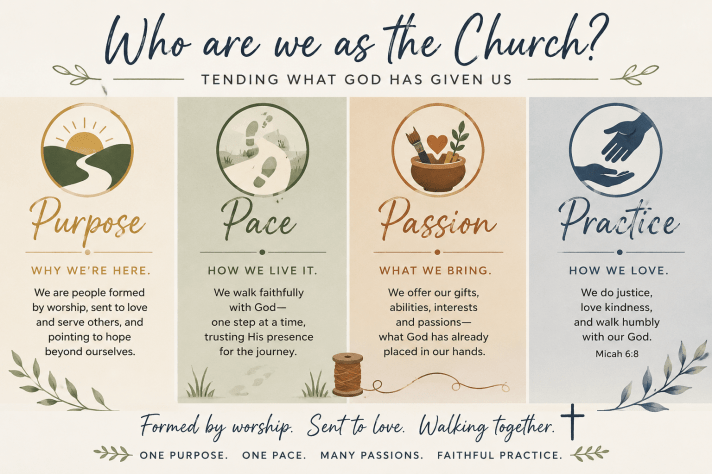
Purpose. Pace. Passion. Practice.

And together, I think they offer us a way of thinking about what it means to live faithfully—not only on Sunday morning, but throughout the week.

Purpose: Why Are We Here?

We began with purpose.

What is the Church actually here to do?

I keep coming back to three things:

Worship that forms us.
Love that serves others.
Hope that points beyond ourselves.

Worship matters, but worship isn’t supposed to leave us exactly as we arrived.

We gather to be reminded of God’s grace. We listen to Scripture. We pray. We sing. We encounter Christ.

And then we carry what we’ve received into the world.

One of the questions I’ve been asking is:

If our church disappeared tomorrow, what would our community miss?

I’d like the answer to be more than our building.

I’d like them to miss our love.

Pace: We Don’t Have to Hurry

Then we considered our pace.

We live in a culture that constantly tells us to hurry.

Do more. Accomplish more. Grow faster. Fill the calendar.

Churches can fall into that pattern too. We can become so busy doing church that we forget how to be the Church.

But Scripture gives us a different rhythm.

We walk with God.

Not run.

Not race.

Walk.

Faithfulness isn’t measured by how quickly we get somewhere. Sometimes faithfulness means simply taking the next step with God.

One prayer.

One conversation.

One act of kindness.

And then another.

Passion: What’s Already in Your Hands?

Next came passion.

What gifts has God already placed in our hands?

Sometimes we imagine ministry as something done by people with particular religious qualifications. But God’s gifts are wonderfully varied.

Some of us cook.

Some garden.

Some knit, sew, spin or make things.

Some sing.

Some organize.

Some repair things.

Some teach.

Some listen.

Some pray.

Some have the remarkable ability simply to sit quietly beside another person when life hurts.

These are gifts.

The question isn’t simply:

What has God given me?

It’s also:

How can I offer what I’ve been given for the good of someone else?

Practice: Now We Live It

And that brings me to our fourth word:

Practice.

Eventually faith has to leave the page.

Eventually the things we sing, pray and proclaim on Sunday have to become something we live on Monday.

The prophet Micah puts it beautifully:

Do justice.
Love kindness.
Walk humbly with your God.

— Micah 6:8

There’s something important about those verbs.

Micah doesn’t tell us merely to believe in justice.

Do it.

He doesn’t tell us merely to appreciate kindness.

Love it.

And he doesn’t tell us to stand still admiring God from a distance.

Walk with God.

This is faith becoming practice.

Jesus Gives Those Words Faces

Then I turn to Matthew 25.

Jesus speaks about the hungry, the thirsty, the stranger, the person needing clothing, the sick and the imprisoned.

And he says something extraordinary.

When you cared for them, you cared for me.

Suddenly Micah’s words have faces.

Do justice.

There’s a person.

Love kindness.

There’s a neighbour.

Walk humbly.

There’s Christ walking beside us—and sometimes meeting us in the very person standing in front of us.

Micah tells us how to walk. Jesus shows us where that walk will take us.

It takes us toward people.

Tending What God Has Given Us

Someone recently pointed out to me that all of this sounds rather like stewardship.

They’re right.

I haven’t been using that word very much because, in church circles, stewardship can quickly become shorthand for money.

But stewardship is so much bigger than that.

Maybe another way of describing it is:

Tending what God has given us.

Tending our gifts.

Tending our relationships.

Tending our communities.

Tending creation.

Tending our churches.

Tending our faith.

Tending the people God places along our path.

The question becomes less about how much we possess and more about how faithfully we live with what we’ve been given.

That’s Why It’s Called Practice

There’s something else I love about the word practice.

Practice assumes we won’t always get it right.

And we won’t.

We’ll miss opportunities.

We’ll say the wrong thing.

We’ll become impatient.

We’ll get tired.

We’ll become distracted by things that ultimately aren’t very important.

So we practise.

We practise forgiveness.

We practise generosity.

We practise hospitality.

We practise justice.

We practise kindness.

We practise seeing Christ in one another.

And then we return to worship.

We pray again.

We listen again.

We sing again.

We allow Christ to form us again.

And then we’re sent back into the world to practise some more.

Who Are We as the Church?

Perhaps after these weeks of thinking about this question, my answer is becoming a little clearer.

We are people being formed in the way of Jesus.

We are people learning to walk together.

We are people offering the gifts God has placed in our hands.

We are people practising justice, kindness, mercy and love.

Purpose. Pace. Passion. Practice.

They aren’t four separate things.

They’re part of the same life.

And perhaps that’s why worship doesn’t really end when we sing the final hymn and walk out the door.

We leave worship because it’s time to practise what we’ve proclaimed.

So this week, keep your eyes open.

Notice who’s standing in front of you.

Notice what you’re carrying in your own hands.

Notice where a little kindness, justice, mercy or love might be needed.

And remember:

You may just be meeting Christ there.

Many blessings,

Pastor Barb aka Grannie Doll
When You Hit a Roadblock, Keep Moving — August 13, 2026

When You Hit a Roadblock, Keep Moving

Part of my drive to keep things moving forward—and to feel productive—is to find something else to do whenever I hit a roadblock.

Do you ever hit those roadblocks?

Watch to see how I managed my old ipad.

Earlier this week, I was working on my sermon and found myself completely stuck. I kept asking:

Where am I going with this?
Will it connect with anyone?
Where will people see themselves in this story?

Those are important questions because a sermon is more than words on a page. It needs to meet us somewhere in the middle of our real lives. It needs to help us recognize where God is already at work.

I think I finally figured it out—but you’ll have to join me on Sunday to hear where the story led!

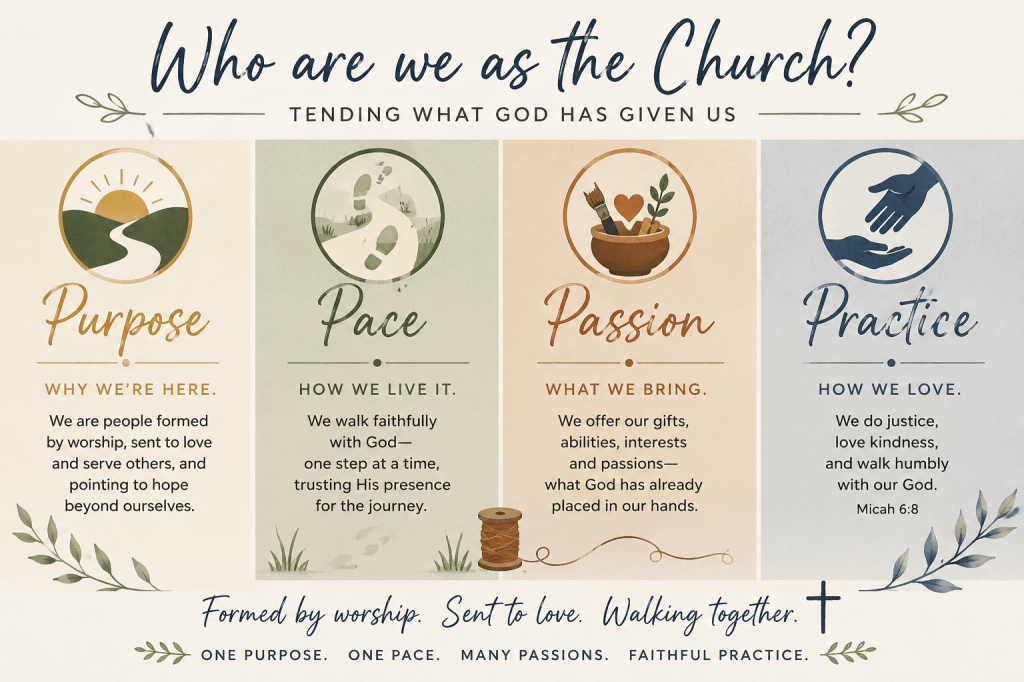
Over the past few weeks, we’ve been exploring three important parts of our life together as the church:

  • Our purpose as the church
  • The pace at which we live and grow spiritually
  • The passions and gifts God has placed within us

This Sunday, we’ll focus on that third word: passion.

What moves us? What brings us joy? What abilities, interests and experiences do we have that God might use?

We’ll explore this through three simple movements.

Recognize the Gift

Sometimes we overlook our gifts because they seem too ordinary. We may not think of baking, gardening, knitting, repairing things, organizing, listening or offering hospitality as spiritual gifts.

Yet God often begins with what is already in our hands.

Recognizing our gifts means paying attention to what gives us joy, what comes naturally to us and what others have noticed within us.

Offer the Gift

A gift becomes even more meaningful when it is shared.

That may mean offering something we have made, but it can also mean giving our time, our attention or our presence. Sometimes the most important gift we offer is simply ourselves—the willingness to sit beside someone, listen to their story or help carry a burden.

Connect the Gift

Finally, we’ll consider how our individual gifts connect us with the wider life and work of the church.

We don’t all have the same abilities, interests or passions—and that is a wonderful thing. When each person brings what they have, our separate gifts become part of something larger. Together, they help the church worship, serve, care and reach beyond its walls.

If you’d like to hear how it all comes together, I invite you to join us this Sunday:

9:30 a.m. at Linden Park United Community Church on Hamilton Mountain
11:00 a.m. at Binbrook United Church

The 9:30 service will also be livestreamed on Facebook. I hope to share it on YouTube afterward as well—provided my iPad agrees to cooperate!

For now, I still have today and tomorrow to finish preparing for Sunday. And perhaps that is the lesson within the lesson: when we reach a roadblock, we don’t always need to push harder. Sometimes we need to pause, do something else and allow the next step to reveal itself.

Whatever gift or passion you have to offer the world, I hope you feel free to share it. It may seem small or ordinary to you, but in God’s hands, even the simplest gift can become part of something beautiful.

Have a wonderful day, and God bless.

From Pastor Barb to you—bye for now.

And for those who follow me on YouTube, I’m Doll from Doll Can Create.

I know you can too.

DollCanCreate Newsletter — May 1, 2026

DollCanCreate Newsletter

Small Circles. Deep Roots.

April Reflection + May Intention


🍵 A Gentle Welcome

Dear friend,

This past month has felt like a soft exhale.

After the fullness of Lent, the depth of Holy Week, and the joy of Easter morning, I’ve found myself slowing… perhaps more than I expected. The urgency has lifted, and in its place—something quieter.

Each morning, I’ve been lighting a candle, whisking my lavender matcha, and sitting in stillness with this simple truth:

Nothing is required of me right now.

And in that space, something beautiful is growing.

Time by the water: Port Dover, ON


🧶Scroll down for video

What I’ve Been Working On

April has been a month of steady hands and gentle creativity.

  • Spinning local wool from Rampart Farm
  • Exploring natural dyeing with avocado pits and onion skins
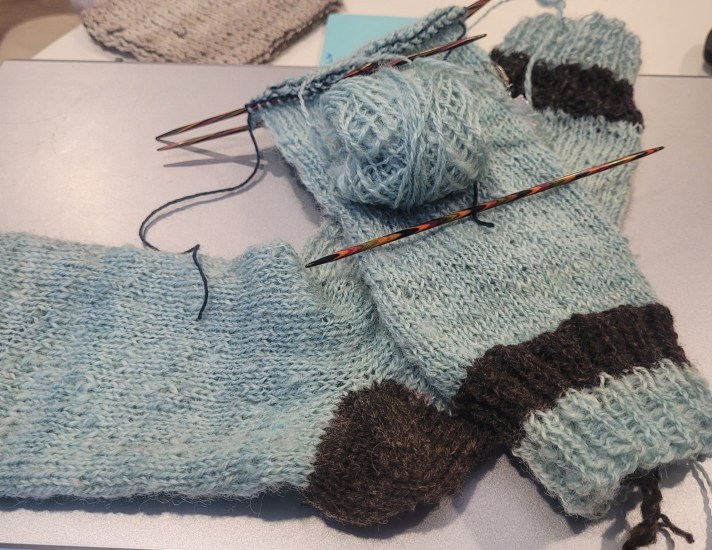
  • Knitting socks (always socks… you know me)
  • Dreaming into a larger sweater project

There’s something deeply grounding about working with fibre that comes from nearby fields… wool that has known our weather, our soil, our seasons.

It reminds me:

We are allowed to live locally—not just in geography, but in spirit.


🌎 The 100 Mile Life – A Real Reflection

I’ll be honest—this journey isn’t always smooth.

There are moments (like standing in the grocery store, searching for local potatoes in early spring) where the path feels… a little bumpy.

And yet—

I don’t rush.
I don’t force.
I don’t give up.

I adjust.

Sometimes that means choosing Canadian over hyper-local.
Sometimes it means waiting patiently for the next harvest.

The 100 Mile Life isn’t about perfection.

It’s about:

  • awareness
  • intention
  • and grace

The earth will produce—in due season.


🕯️ Faith & Slow Living

In ministry and in life, I’m noticing a common thread:

So many of us are carrying heaviness.

The world feels uncertain.
There is noise, urgency, pressure to react.

But our faith invites something different.

Not panic…
Not scarcity…
But trust.

A quieter way.
A rooted way.

Like the words from Micah 6:8:

Walk humbly. Act justly. Love mercy.

There is no rushing in that.

Only steady, faithful steps.


🌸 A Small Invitation for May

As we move into a new month, I’m not setting big goals.

Instead, I’m holding one gentle intention:

Stay close.

Close to:

  • home
  • rhythm
  • creativity
  • God

Maybe for you, that looks like:

  • cooking one meal from scratch
  • buying one item locally
  • sitting for 10 minutes in stillness
  • picking up a forgotten creative project

Small circles.

Deep roots.


📺 What’s Coming Next

In the coming weeks, I’ll be sharing:

  • A cozy “Day in the Life” video
  • More on the 100 Mile Life (including practical steps to begin)
  • A spinning + prayer series
  • A new gentle resource: The 100 Mile Life – A Gentle Start

This one feels special. Like something that’s been growing quietly for a while.


💌 Before You Go

Thank you for being here.

For reading.
For creating.
For choosing a slower, more rooted way—however that looks in your life.

I picture you with your own version of a cozy chair, a warm drink, and a moment to breathe.

And I’m right there with you.

With warmth,
Grannie Doll 🌿

After the Alleluia: A Gentle Return — April 7, 2026

After the Alleluia: A Gentle Return

There is a quiet that comes after Easter.

Not the heavy quiet of Good Friday,
and not the bright, rising joy of Easter morning…

But something softer.

A settling.

A gentle exhale.


This week, I find myself noticing small things.

The gentleness of friends.
A slower conversation.
A kindness that isn’t rushed or loud, but steady and present.

It’s as if the world itself is saying:
You don’t have to hurry now.


For weeks, we have been moving toward something.

Through Lent,
we prepared, reflected, carried the story carefully.

Through Holy Week, we held it close.

And then Easter came—glorious, full, overflowing.

But now?

Now we are invited not to rush ahead…
but to remain.


Each morning, I’ve begun again in a simple way.

A candle lit.
A warm cup of lavender matcha in my hands.
My journal open.

The light is soft.
The house is still.

And I sit with this phrase:

Nothing is required of me right now.


At first, it feels unfamiliar.

There is always something to do, isn’t there?
Something to prepare, to fix, to tend.

But in this quiet space, I am learning something new.

Or perhaps something very old.


I am learning that not every moment needs to be filled.

That presence is enough.
That rest is not something to earn.
That gentleness—given and received—is a form of grace.


In the days after Easter, the stories in the Gospel of John are not hurried.

There is a garden.
A voice calling a name.
A quiet meal by the water.

Resurrection does not rush.

It lingers.


And so, this week, I am choosing to linger too.

To notice.
To receive.
To let the alleluias soften into something quieter, but no less true.


🌸 A Grannie Doll Blessing

May you find a gentle rhythm
in the days after celebration.

May you notice kindness
in small and unexpected places.

May you sit, even for a moment,
with nothing required of you—

and discover
that it is enough.

What my wool is teaching me — March 14, 2026

What my wool is teaching me

There are weeks when inspiration comes rushing in like a river.

Some weeks are like this one. They are quieter and slower. In these weeks, creativity feels more like a gentle walk than a sprint.

This week I have been spending time with my wool.

Not rushing a project. Not planning the next big idea. Just sitting with my spindle and letting the fibre teach me what it wants to teach.

Hand spun local wool

Wool has a way of reminding me that transformation is rarely fast.

When I begin spinning, the fibre is loose and airy in my hands. It doesn’t look like yarn yet. It doesn’t look like anything finished or useful. But with patience — draft, twist, wind — something begins to change.

Slowly, almost quietly, strength appears.

I’ve been thinking about how similar this is to the life of faith.

Grace does not usually arrive with fireworks. More often it shows up in small daily moments. These include a quiet prayer or a simple meal prepared at home. It might also be a few peaceful rows of knitting or the rhythm of spinning in the afternoon light.

This is the grace I am living into during Lent this year.

Not dramatic grace.

Not spectacular grace.

But sustaining grace — the kind that walks beside us through ordinary days.

Working with local wool deepens that feeling for me. The fibre carries a story. It tells of farms, fields, sheep, and seasons. It includes the hands that cared for the animals before the wool ever reached my spindle.

Spinning it connects me to something older and steadier than our busy world.

And each time the spindle turns, I am reminded:

Transformation happens slowly.

Faith grows quietly.

And grace, like wool becoming yarn, strengthens us little by little.

So this week I will keep spinning.

Just a little each day.

Trusting that God is doing the same gentle work in me.

Blessing:

May grace meet you today

in small quiet moments —

in work done with your hands,

in simple food shared at your table,

and in the steady peace of an ordinary day.

Grannie Doll

Midweek in Lent: Listening for What Comes Next — March 11, 2026

Midweek in Lent: Listening for What Comes Next

Lent has a way of stretching time.

At the beginning we step into it with intention. Ashes on our foreheads, a promise in our hearts. Forty days feels manageable then — purposeful, even energizing.

But somewhere in the middle, Lent becomes quieter. Less dramatic. Less defined. The early resolve softens and something else begins to emerge: curiosity.

That’s where I find myself this week.

I don’t feel overwhelmed. I feel attentive.

I know my purpose deeply right now. I am sharing faith. I am creating with locally sourced materials. I am living and teaching the 100-mile life. These things are not burdens. They are invitations.

Yet Lent still whispers a question:
What is the rest of this season calling me to?

Not necessarily more effort.
Not necessarily more sacrifice.

Just deeper listening.

For many of us, Lent begins with giving something up. Sugar. Social media. A habit that has grown too comfortable. And that can be good — it clears a little space in the soul.

But as the weeks unfold, I wonder if Lent asks a second question:

What might you embrace instead?

Perhaps it is:

  • embracing stillness instead of rushing
  • embracing gratitude instead of worry
  • embracing the quiet beauty of ordinary days
  • embracing the small circle of life close to home

For me, that may mean sitting a little longer with my spinning wheel. It may mean using my spindle and feeling the rhythm of wool. This wool was grown not far from where I live. It may mean noticing the grace in everyday meals, simple work, and the land around me.

Lent is not only about letting go.

It is also about making room for grace to grow.

*ai generated image

Grace in our faith.
Grace in our work.
Grace in the way we live on this planet.

So this midweek in Lent, I’m not adding another rule or giving up another thing.

Instead, I’m asking a quieter question:

Where is grace inviting me next?

Maybe that is the real journey of Lent. It is not rushing toward Easter but walking slowly enough to notice the grace. This grace has been with us all along.

Grace has brought us safe thus far.

And grace will lead us home.

Blessings,
Grannie Doll

40 Days of Living Into Grace — February 18, 2026

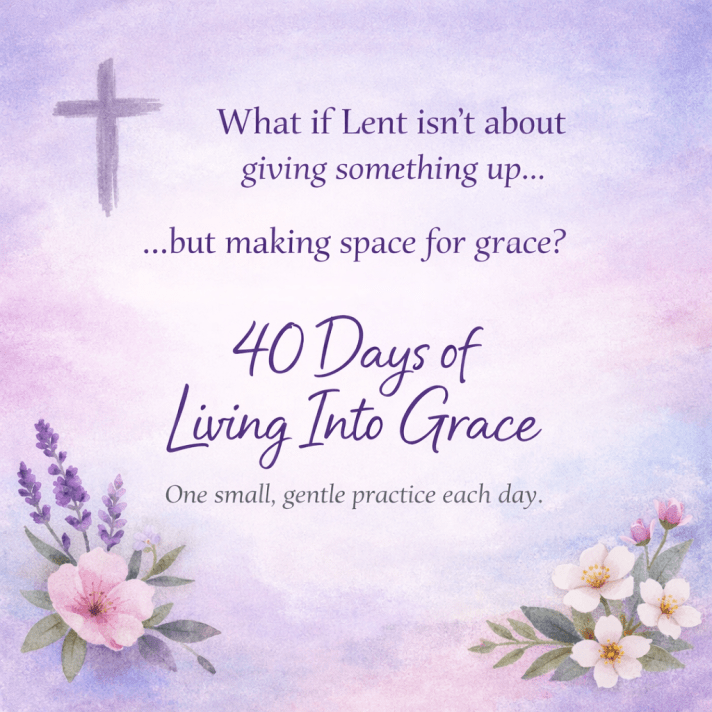
40 Days of Living Into Grace

A gentle Lenten journey

Lent is not about perfection.
It is about presence.
Each small practice becomes a doorway where grace can enter.

From Giving Up → Making Space

Ash Wednesday invites us to loosen our grip — not to prove holiness, but to make room for grace.

Instead of:

  • What am I giving up?

Consider:

  • What is cluttering my spirit?
  • What am I carrying that I no longer need?
  • What would freedom feel like?

✨ Let’s reflect

Are we ready to move forward without this habit, this resentment, this comfort blanket?

  • Who would I be without it?
  • Would I feel lighter… or lost?
  • What might God place in the empty space?
  • What if letting go isn’t loss, but invitation?

🌾 Reframing Lent

From “Giving Up” to “Living Into”

Instead of giving something up for 40 days:

  • 40 days of gentleness
  • 40 days of noticing beauty
  • 40 days of forgiveness
  • 40 days of unclenching the heart
  • 40 days of breathing deeper
  • 40 days of choosing grace

Lent becomes less about absence and more about intentional presence.


💭 The Honest Fear

Would it even matter to anyone… or me?

Sometimes we hold onto things because they make us feel known, protected, or comforted.

Letting go can feel like disappearing.

But Lent whispers:
You are not what you cling to.
You are beloved dust, breathed into life.


🌑 Ash Wednesday Truth

Lent begins with ashes, honesty, and grace.

This year, I’m choosing 40 Days of Living Into Grace. These are small daily practices. They help us live more gently and more awake. They also help us become more rooted in God’s love.

Ashes remind us:

  • we are fragile
  • we are finite
  • we are forgiven
  • we are held

We release what weighs us down because life is too precious to live half awake.


🌼 What Might We Replace During Lent?

Instead of filling the space with another “should,” invite grace to fill it:

  • stillness
  • prayer
  • creativity
  • presence
  • kindness toward self
  • deeper listening
  • making beauty with our hands
  • noticing God in ordinary moments


Lent is not about becoming someone new.

It is about releasing what keeps us from being who we already are in God.


🌿 Week 1 — Making Space

Scripture: “Be still, and know that I am God.” — Psalm 46:10

  1. Sit in silence for five minutes.
  2. Release one worry into prayer.
  3. Step outside and breathe deeply.
  4. Clear one small surface in your home.
  5. Turn off the noise and enjoy quiet.
  6. Notice something beautiful and linger.
  7. Rest without guilt.

Lent is not a test of discipline.
It is an invitation to live more gently, more awake, and more deeply rooted in grace.

Journal your thoughts. What comes to mind? What is the Spirit sharing with you during this Holy time?

Share in the comments if you are able.

Blessings,

Grannie Doll/Rev. Barb

Returning to Grace: A Gentle Daily Rhythm for Weary Days — February 17, 2026

Returning to Grace: A Gentle Daily Rhythm for Weary Days

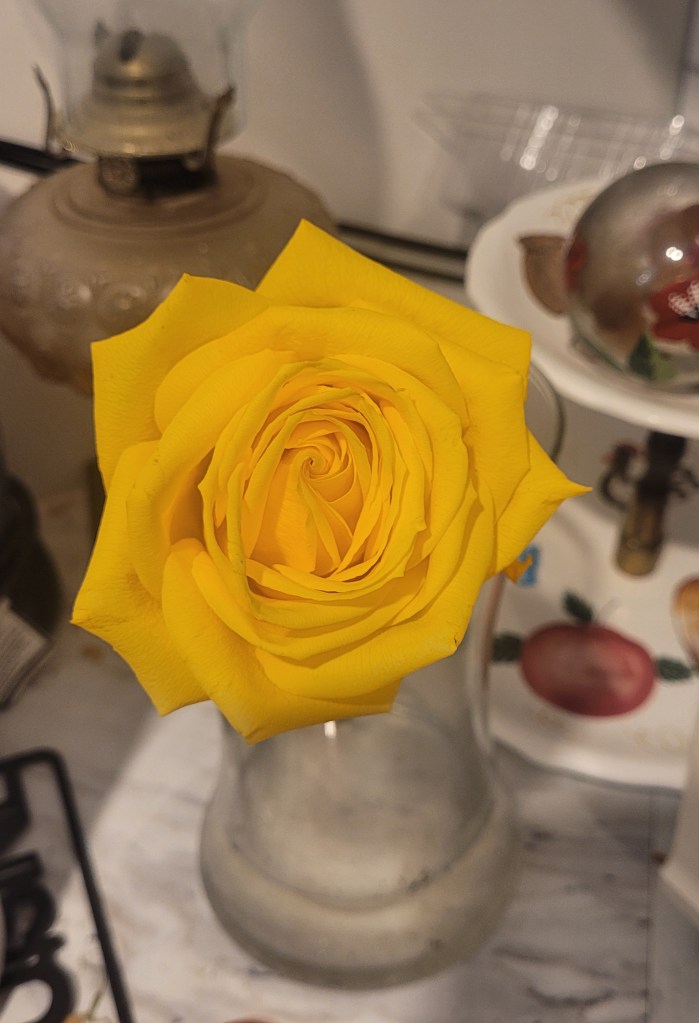
When I think of grace I often think of roses. Beauty and thorns in one place. A simple rhythm that creates beauty.

There are seasons in life when the rhythm slips away.

The routines that once steadied us fall quietly to the side. The body feels heavy. The spirit feels worn thin. Joy, once familiar, feels distant.

I have found myself in such a season.

Not lost.
Not without faith.
But weary.

And when weariness settles deep in the body, even simple things can feel like mountains.

So instead of trying to “get back on track,” I am learning to return to grace.

Not with rigid schedules.
Not with long to-do lists.
But with a gentle daily rhythm.

A rhythm that holds rather than demands.
A rhythm that restores rather than drains.
A rhythm spacious enough for grace to enter.

If you, too, feel overwhelmed, perhaps this soft rhythm might bless your days.


Morning: Receive the Day

Instead of rushing into the day, I am learning to begin softly.

I light the Christ candle.
I whisper, This day is grace.
I hold a warm mug between my hands.
I take three slow breaths.
I look out the window and greet the sky.

This is not productivity.

This is receiving the day as a gift.


Mid-Morning: Begin Gently

Rather than tackling everything, I choose one small beginning:

tidying one small surface,
answering one important message,
preparing something nourishing,
or knitting a few quiet rows.

Stopping before exhaustion is not laziness.

It is wisdom.


Midday: Ground the Body

When the nervous system is overwhelmed, the body needs grounding.

I try to eat something nourishing.
I step outside, even for a moment.
I feel the air on my face.
I release my shoulders.
I breathe slowly.

Sometimes grace looks like standing in winter air and remembering you are alive.


Afternoon: Create & Tend

This is the hour for gentle tending.

Knitting.
Spinning.
Folding laundry slowly.
Watering plants.
Decluttering one small space.
Writing a list of blessings.

Not productivity.

Tending.

There is holiness in small care.


Late Afternoon: Soften the Day

Energy dips here, so gentleness matters.

I start supper simply.
Soft music or a hymn plays in the background.
Overhead lights dim.
I pause before eating in gratitude.

The day begins to exhale.


Evening: Return to Quiet

The world grows loud. I choose softness instead.

Screens go dark early.
Hands return to yarn or a good book.
Three blessings are written.
Tea warms the hands.
Prayer settles the heart.

And I whisper:

Enough was done. I am held.


Night: Protect Rest

Rest is healing work.

Warm socks.
Slow breathing.
Releasing tomorrow.

Sleep is not escape.

Sleep is repair.


When the Day Falls Apart

Some days do.

On those days, I return to one anchor:

light the candle,
step outside,
touch the yarn,
take one slow breath.

That is enough.

Grace does not require perfection.
Grace meets us in beginning again.


A Gentle Word for Weary Hearts

You are not failing.

You are human.
You are carrying much.
You are living through heavy days.
You are navigating health, change, and responsibility.

Grace meets you there.

Not when you are strong.

When you are honest.


A Blessing for the Rhythm of Your Days

May grace meet you in the morning light.
May peace steady your breathing.
May your hands find calm in gentle work.
May rest restore what weariness has taken.
And may you remember, dear heart —

you are held.


Light a candle tonight.
Wrap yourself in warmth.
Breathe slowly.
Tomorrow will come gently.

💗

Grannie Doll

Sunday Worship: Filling an empty vessel — January 25, 2026

Sunday Worship: Filling an empty vessel

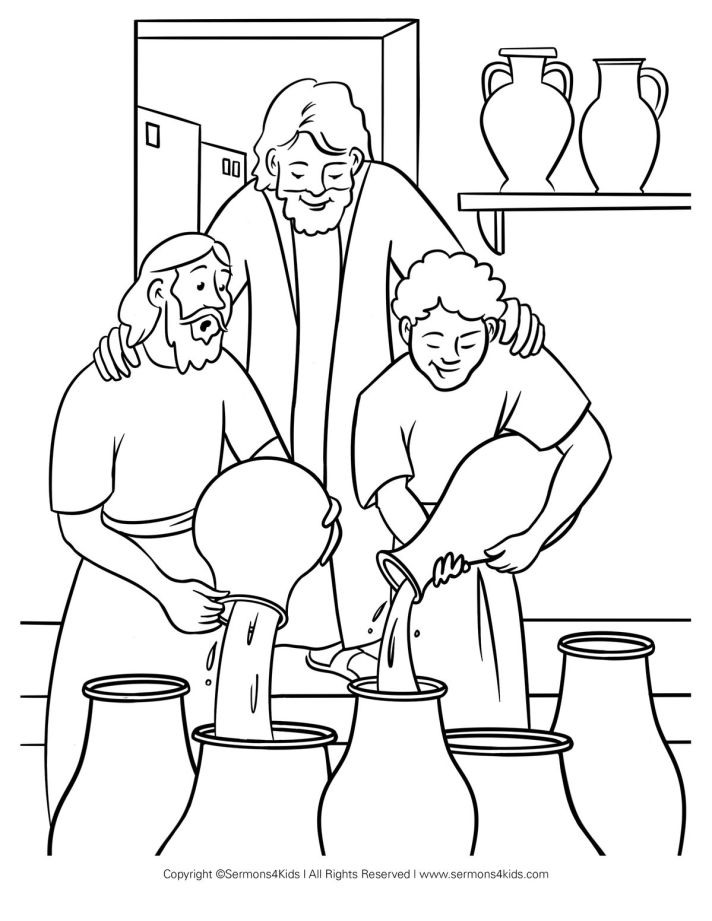
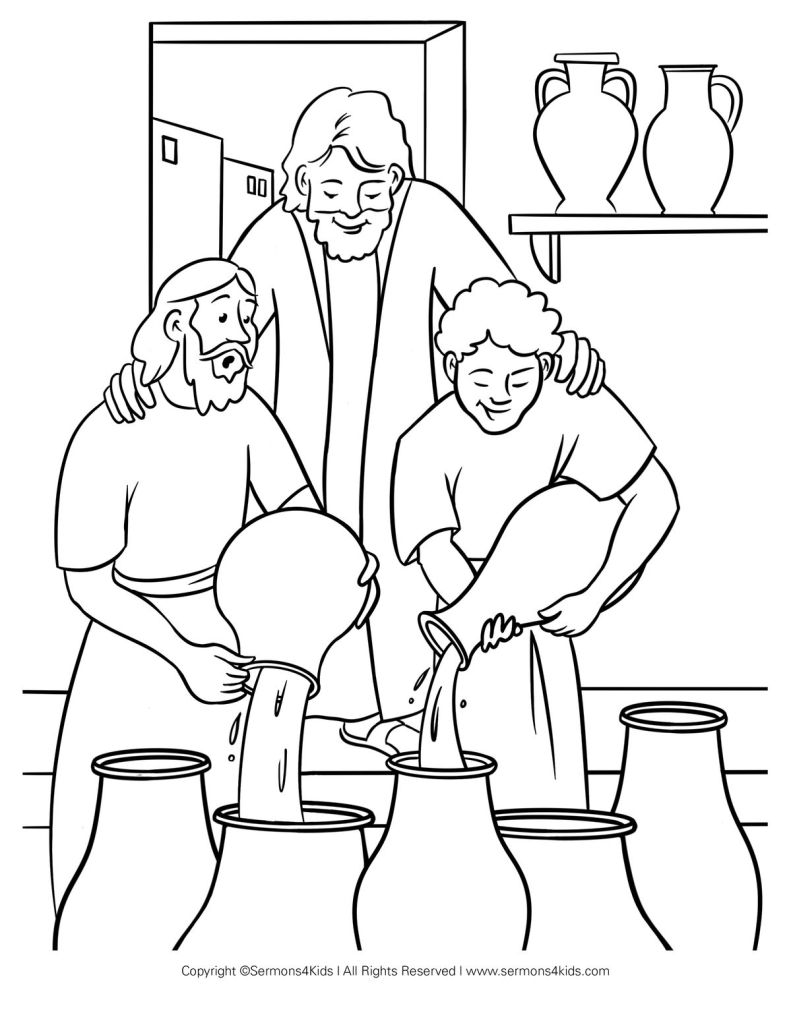
Filling the Empty Jars

John 2:1–11

There is something quietly honest about an empty jar.

It doesn’t shout.
It doesn’t accuse.
It simply waits—holding the truth of what is missing.

In the Gospel story of the wedding at Cana, the jars are empty. The celebration is still going, the guests are gathered, laughter and conversation fill the room—but something essential has run out. The wine is gone.

We know this moment well.

There are times in life when everything looks fine on the outside, yet inside we sense a quiet emptiness. Energy fades. Joy thins. Hope feels harder to reach. These moments don’t always arrive with drama. Often, they come quietly, almost unnoticed—until suddenly we realize that what once sustained us is no longer there.

This is where the story begins.

Mary notices the emptiness. She doesn’t deny it or rush to fix it herself. She names it and brings it to Jesus: “They have no wine.” It’s a simple sentence, but it carries deep truth. Naming what is empty is an act of trust.

Mary does not tell Jesus what to do. She simply turns to the servants and says, “Do whatever he tells you.”

And Jesus looks at the jars.

Not new jars.
Not special jars.
But heavy, stone jars—ordinary vessels used for washing, sitting empty where they are.

Jesus does not discard them.
He does not shame them for being empty.
He does not say, “You should have planned better.”

Instead, he asks that they be filled—with water.

That detail matters.

Jesus works with what is already present. He does not wait for something extraordinary. He takes the ordinary, the available, the offered—and grace happens somewhere between the filling and the pouring.

The water becomes wine. And not just any wine, but good wine. Abundant wine. More than enough.

Six jars. Each holding twenty or thirty gallons.

This is not barely-enough grace.
This is overflowing grace.

And almost no one notices.

The guests drink. The steward is confused. The celebration continues. Only the servants—the ones who carried the water—know what really happened.

Isn’t that often how God works?

Quietly. Gently. Without fanfare. Transformation happens while we are doing the faithful, ordinary work of showing up. Of filling jars we’re not sure will ever hold anything more than water.

This story tells us something essential about Jesus.

His first sign is not about power or spectacle. It is about care.

He begins his ministry not in a holy place, but at a wedding. Not with a sermon, but with an act of kindness. He honors joy. He saves a celebration. He refuses to let embarrassment or scarcity have the final word.

And perhaps most importantly, this story reminds us that emptiness is not the end.

Empty jars are not failures.
They are invitations.

Invitations to trust.
Invitations to bring what we have, not what we wish we had.
Invitations to believe that God can still work in our ordinary lives.

There are seasons when we feel like those jars.

Jars once filled with energy, now holding weariness.
Jars once filled with certainty, now holding questions.
Jars once filled with joy, now holding grief.

The good news is this: Jesus does not turn away from empty jars.

He asks only that we place them before him.

Fill them with what you have.
Offer what feels ordinary.
Trust that grace can still surprise you.

Because in God’s economy, the best wine often comes later.

God is not finished yet.

Building on the Foundation of Christ — November 3, 2025

Building on the Foundation of Christ

1 Corinthians 3:5–13

I

n Paul’s letter to the Corinthians, we find a reminder that feels especially timely for us today. The people of Corinth were arguing about which leader they followed—some claimed Paul, others Apollos. Their attention was divided, and Paul gently brought them back to center:

“What, after all, is Apollos? And what is Paul? Only servants, through whom you came to believe—as the Lord has assigned to each his task. I planted the seed, Apollos watered it, but God has been making it grow.”

Paul isn’t diminishing the value of human effort. He’s showing us that every act of service is sacred when rooted in God’s purpose. We each have a role—some plant, some water—but it is God who makes things grow.


We Are Co-Workers in God’s Field

How freeing it is to remember that we don’t carry the full weight of outcomes!
We are workers together with God, not competitors for His attention. We are teaching a Sunday school class, knitting for charity, or visiting a neighbour. Praying quietly at home, we are each tending a small part of God’s garden. Each action contributes to His creation.

Our job is to show up faithfully.
God’s job is to bring the growth.


Christ Is the Only Foundation

Paul goes on to say:

“No one can lay any foundation other than the one already laid, which is Jesus Christ.”

It’s tempting to build our faith on people, traditions, or good works—but those things shift and crumble. Christ alone is the steady ground beneath our feet.
If we build on Him, what we create will endure. Our words, our acts of love, and our ministries will stand. They will stay strong even when life’s fires test them.


What Are We Building With?

Paul writes that the quality of each person’s work will be revealed.
Some build with gold and precious stones—acts of love, patience, kindness, and faithfulness. Others build with straw—pride, comparison, or self-interest.

So we ask ourselves:
What materials am I using in my life of faith?
Are my choices rooted in the eternal or the temporary?

Every day is another chance to build with care, to strengthen what lasts, and to remember who holds the blueprint.


A Prayer to Close

Gracious and Loving God,
Thank You for reminding us that You are our foundation.
Teach us to build with care, to serve with humility,
and to love with steadfast hearts.
May our lives reflect Your grace
and our works stand firm in Christ.
Amen.


Final Reflection

As you go through your week, look around your “field.”
Who might need a seed of kindness?
Where can you pour a little water of encouragement?
Trust that God will take it from there—and make something beautiful grow. 🌿


If this reflection spoke to you, share it with a friend who needs encouragement. If you’d like printable Bible study pages for your own quiet time, you can join my Sunday Journal Circle. It’s a gentle space for faith. It’s a place for reflection and community.