
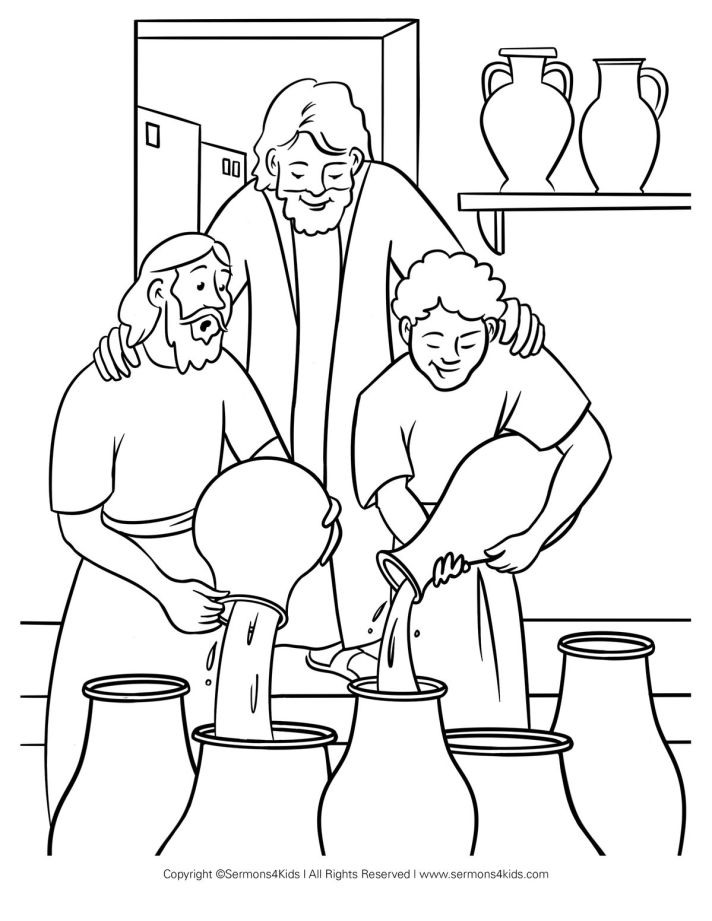
Filling the Empty Jars
John 2:1–11
There is something quietly honest about an empty jar.
It doesn’t shout.
It doesn’t accuse.
It simply waits—holding the truth of what is missing.
In the Gospel story of the wedding at Cana, the jars are empty. The celebration is still going, the guests are gathered, laughter and conversation fill the room—but something essential has run out. The wine is gone.
We know this moment well.
There are times in life when everything looks fine on the outside, yet inside we sense a quiet emptiness. Energy fades. Joy thins. Hope feels harder to reach. These moments don’t always arrive with drama. Often, they come quietly, almost unnoticed—until suddenly we realize that what once sustained us is no longer there.
This is where the story begins.
Mary notices the emptiness. She doesn’t deny it or rush to fix it herself. She names it and brings it to Jesus: “They have no wine.” It’s a simple sentence, but it carries deep truth. Naming what is empty is an act of trust.
Mary does not tell Jesus what to do. She simply turns to the servants and says, “Do whatever he tells you.”
And Jesus looks at the jars.
Not new jars.
Not special jars.
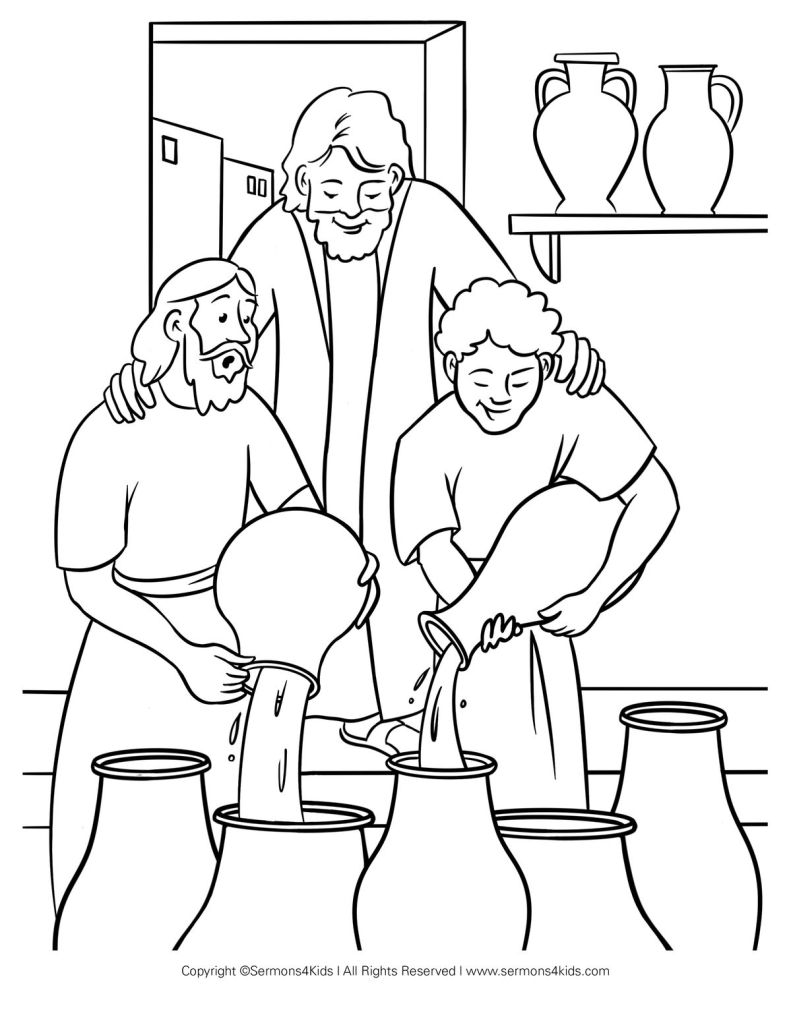
But heavy, stone jars—ordinary vessels used for washing, sitting empty where they are.
Jesus does not discard them.
He does not shame them for being empty.
He does not say, “You should have planned better.”
Instead, he asks that they be filled—with water.
That detail matters.
Jesus works with what is already present. He does not wait for something extraordinary. He takes the ordinary, the available, the offered—and grace happens somewhere between the filling and the pouring.
The water becomes wine. And not just any wine, but good wine. Abundant wine. More than enough.
Six jars. Each holding twenty or thirty gallons.
This is not barely-enough grace.
This is overflowing grace.
And almost no one notices.
The guests drink. The steward is confused. The celebration continues. Only the servants—the ones who carried the water—know what really happened.
Isn’t that often how God works?
Quietly. Gently. Without fanfare. Transformation happens while we are doing the faithful, ordinary work of showing up. Of filling jars we’re not sure will ever hold anything more than water.
This story tells us something essential about Jesus.
His first sign is not about power or spectacle. It is about care.
He begins his ministry not in a holy place, but at a wedding. Not with a sermon, but with an act of kindness. He honors joy. He saves a celebration. He refuses to let embarrassment or scarcity have the final word.
And perhaps most importantly, this story reminds us that emptiness is not the end.
Empty jars are not failures.
They are invitations.
Invitations to trust.
Invitations to bring what we have, not what we wish we had.
Invitations to believe that God can still work in our ordinary lives.
There are seasons when we feel like those jars.
Jars once filled with energy, now holding weariness.
Jars once filled with certainty, now holding questions.
Jars once filled with joy, now holding grief.
The good news is this: Jesus does not turn away from empty jars.
He asks only that we place them before him.
Fill them with what you have.
Offer what feels ordinary.
Trust that grace can still surprise you.
Because in God’s economy, the best wine often comes later.
God is not finished yet.
Discover more from Doll Can Create
Subscribe to get the latest posts sent to your email.

One thought on “Sunday Worship: Filling an empty vessel”
1 Pingback