Doll Can Create

100 Mile Life/Grandma Core

Living the 100-Mile Life: First Up, Fibre — January 25, 2025

Living the 100-Mile Life: First Up, Fibre

Hey friends, welcome to my journey! I’m embarking on a 100-mile life adventure, and I’d love for you to come along. My mission? To live as locally as possible, sourcing everything within a 100-mile radius of my home. My first focus is on fibre, specifically wool, crafting, and all the amazing things that come with it.

Let’s dive in!

A Quick Fibre Tour

So, here’s what I’m working with. I’ve taken stock of my fibre stash, and let me tell you, it’s impressive and a little over-whelming; even embarrassing.

  • Bins full of fibre.
  • Bags that haven’t even been opened yet.
  • Work-in-progress projects and more fibre tucked away.

Honestly, do you think I have enough? I think so! This hidden treasure trove is a great start for my journey. Now, the plan: use what I have, source local fibres, and dive deep into the crafting process.

The Three Rules

  1. Use What I Have: I’m committed to using my existing fibre stash. I have my spindles, my spinning wheel, and even some natural dyes I’ve been eager to experiment with.
  2. Source Local Fibres: Supporting local shepherds and fibre farms is a top priority. I already know of a few farms within my 100-mile radius where I can visit, meet the shepherds, and select the fibres I need.
  3. Explore Local Tools: While I don’t necessarily need new tools, I’m curious about local artisans who might create spindles or other crafting tools. It’s all part of staying true to the 100-mile life.

No More Impulse Buys

This journey isn’t just about where I source my materials; it’s also about curbing unnecessary spending. No more buying yarn just because it’s pretty. Instead, I’ll focus on:

  • Attending local fiber festivals (like the one coming up in March).
  • Visiting thrift stores for second-hand supplies when needed.
  • Making do with what I already own.

Wool’s Journey

Have you ever thought about from where your wool comes ? Shipping fibre across the globe is expensive and environmentally costly. For example, wool shipped from New Zealand to Vancouver and then across Canada incurs tremendous costs, both financially and environmentally. By choosing local, I can minimise this impact while supporting Canadian wool growers and fibre mills.

Beyond Fiber

This journey extends beyond fiber into other areas of my life, including food, clothing, and more. For clothing, I’ll use the fabric I already have or source it second-hand. I’ve heard that church groups often have surplus fabric they’re happy to share, which is a great way to keep things sustainable. As for undergarments… well, that might be a bridge too far for my crafting skills!

A Question for You

What steps can you take to support your local economy? Have you considered from where your crafting materials come? Living a 100-mile life is about more than just sustainability—it’s about building connections and strengthening local communities.

Stay tuned for my next post, where I’ll dive into the topic of food. For now, think about your craft supplies. Are there ways you can source more locally or reduce waste? Let’s create a more sustainable world together.

This is Doll from Doll Can Create, reminding you that you can too. Many blessings, and bye for now!
Living Local: My 100 Mile Life Challenge — January 23, 2025

Living Local: My 100 Mile Life Challenge

Living Local: My 100 Mile Life Challenge

(this is not a direct transcript)

Have you ever stopped to think about how far the things you use every day have traveled? From the food on your plate to the clothes in your closet, many of these items have journeyed thousands of miles before reaching you. What if we could change that? What if we could bring it all closer to home?

That’s the inspiration behind my latest adventure: the “100 Mile Life in 100 Days” challenge. Over the next three months, I’ll be focusing on sourcing everything—from food to household goods to wool—within 100 miles of where I live. It’s a journey that’s about much more than just shopping locally. It’s about connecting with my community, reducing my environmental footprint, and uncovering the incredible resources in my own backyard.

Why 100 Miles?

This challenge takes inspiration from the “100 Mile Diet,” a movement that encourages eating locally and sustainably. But I’m expanding the concept beyond just food. By incorporating wool and other locally made goods, I’m embracing the richness of what’s nearby while supporting sustainable practices. Wool is a big focus for me—it’s a chance to connect with local producers and celebrate the artistry of textiles created right here at home.

The Rules of the Challenge

There will be a few rules I’ll set out for myself. If you follow along your rules might be different.

  1. Stay Within the 100-Mile Radius: Everything I purchase must come from within this boundary.
  2. Allow Necessary Exceptions: Some items, like medicine, may not be available locally, but I’ll aim to minimize these exceptions.
  3. Focus on Learning: This isn’t about perfection. It’s about discovering new ways to live more sustainably and sharing what I learn along the way.

What to Expect

Over the next 100 days, I’ll be documenting this journey—the successes, the challenges, and everything in between. From finding local flour for baking to meeting incredible farmers, artisans, and wool producers, there will be no shortage of stories to share. Along the way, I’ll also offer tips and tricks for anyone who wants to try living more locally. Whether it’s sourcing one meal a week from local producers or supporting a nearby wool artisan, even small steps can make a big difference.

Why It Matters

Choosing to live within 100 miles is about more than convenience. It’s a way to:

  • Support Local Economies: Every purchase invests in the community and keeps resources circulating locally.
  • Reduce Environmental Impact: Local goods often require less transportation, cutting down on greenhouse gas emissions.
  • Rediscover Seasonal Living: Eating and living locally means aligning with the rhythm of the seasons, which can be both grounding and fulfilling.

Join Me on This Journey

I’d love for you to follow along or even join in your own way! Whether it’s by exploring local farmers’ markets, trying out regional recipes, or seeking out local wool for your next knitting project, there are countless ways to embrace the 100 Mile Life. Want local wool to spin or use in your crafting? I have a few options for you. Send me a message or check out my Patreon for more information.

Are you ready to explore the richness of what’s right around you? Let’s embark on this adventure together and see how local we can go. Here’s to discovering the beauty of living closer to home!

Enjoy!

Carding wool on Distaff Day — January 11, 2025

Carding wool on Distaff Day

Celebrating Distaff Day: My Journey with Last Year’s Fluff

Hi friends! Welcome to my Distaff Day adventure. I wanted to bring you along for the ride as I dive into the process of carding last year’s leftover bits and pieces of fluff. So, grab your tea, get cozy, and let me share the journey with you!

A Humble Start in the Furnace Room

As unglamorous as it may sound, my journey began in the furnace room—a utility space that doubles as my fibre crafting haven. Yes, the furnace was humming away, adding a cozy soundtrack to my work. My carder is tucked away in this little corner, and I had it loaded and ready to go.

Exploring the Blends

On the carder, I had a delightful mix of fibres—each one bringing its own story and texture to the blend. There was some sari silk, bright and colourful merino, and a BFL-merino blend in classic white. Slowly, I worked through the carding process, watching the fibres come together to form a beautiful bat.

Here’s a peek at the final result: a light, fluffy creation weighing in at 23 grams. It’s a small but meaningful bounty crafted from last year’s leftover fluff.

What’s Next?

Now that I have this lovely batt, I’m pondering the possibilities. It’s vibrant and textured, but I’m not quite sure what it wants to become. If you have any ideas for how I could use this little treasure, I’d love to hear them!

Beside me, there’s still a bag of BFL waiting to be carded—another project for another day.

Reflecting on Distaff Day

Distaff Day is always a special time for me. It’s a chance to pause, reflect, and create something meaningful as we transition into the season of Epiphany. The days are growing longer, and the light is slowly returning—a perfect reminder of renewal and inspiration.

Until Next Time…

Thank you for joining me on this little adventure. If you enjoyed this post, I’d love it if you’d share it with a friend or leave a comment with your thoughts and ideas. Remember, creativity is for everyone.

This is Doll from Doll Can Create, reminding you that if I can create, so can you. Wishing you light, joy, and endless inspiration.

Until next time, happy crafting!

Knitting Tuesday tip of the day — November 26, 2024
It’s Wovember! — November 1, 2024

It’s Wovember!

Hello, fellow fiber enthusiasts! 🎉

Today marks the beginning of Wovember, a month dedicated to celebrating the beauty and versatility of wool in all its forms. I’m thrilled to invite you to join me on this woolly journey as we explore the wonders of Canadian wool throughout November!

#### What is Wovember?

Wovember is a month-long celebration that encourages knitters, crocheters, and fiber lovers to appreciate the natural fibers that keep us warm and cozy. It’s a time to share our projects, connect with fellow crafters, and honor the sheep that provide us with this incredible material.

#### My Focus: Canadian Wool

This year, I’m excited to focus specifically on Canadian wool. Canada is home to a rich variety of sheep breeds, each offering unique qualities and characteristics. From the soft and luxurious Merino to the rustic and durable Romney, there’s so much to discover!

In my latest YouTube video, I dive into my knitting plans for the month and share some of my favourite Canadian wool sources. I’ll also discuss the benefits of using local wool and how it supports our communities and the environment.

#### Join the Conversation!

I want to hear from you! What are your knitting plans for Wovember? Are you working on any special projects or trying out new yarns? Share your thoughts in the comments section of my video, and let’s inspire each other to create beautiful woolen pieces this month.

#### Let’s Celebrate Together!

As we embark on this woolly adventure, I encourage you to share your own Wovember projects on social media using the hashtag #Wovember2024. Let’s fill our feeds with the beauty of wool and the creativity of our community!

Thank you for being a part of my journey at Doll Can Create. I can’t wait to see what you all create this November!

Happy knitting!

Doll

Ready for fall — October 5, 2024

Ready for fall

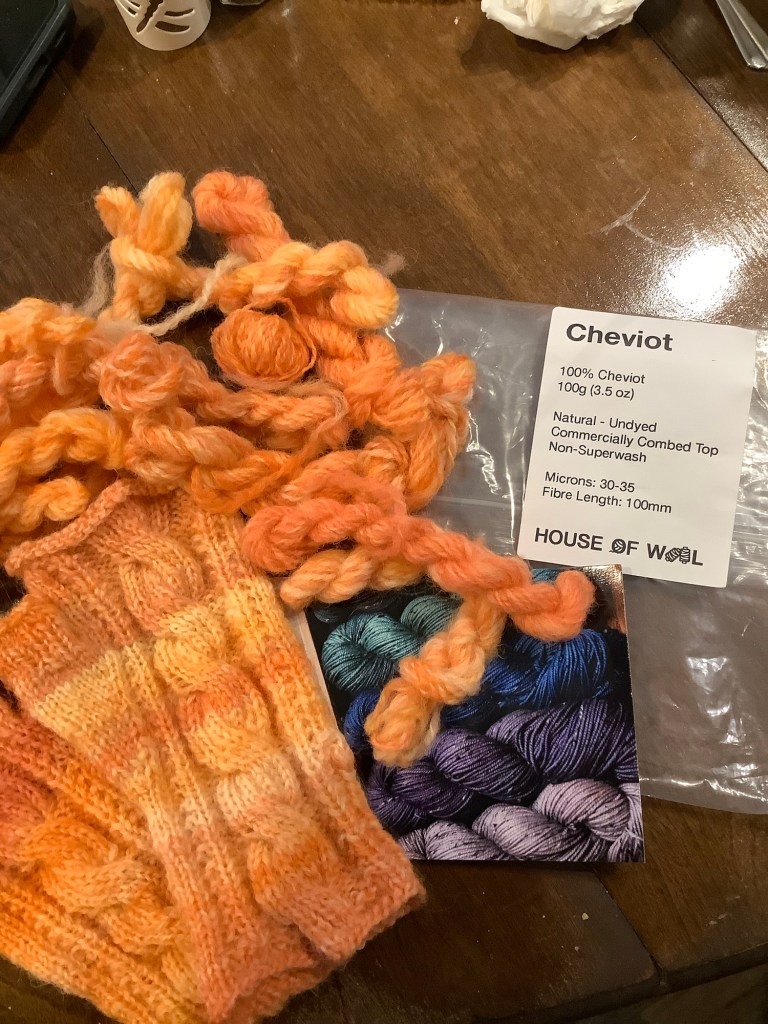
I’m so happy with how these turned out. The yarn is 2ply spindle spun Cheviot. Not sure what I’ll do with what’s left. Ideas?

I’m currently knitting socks and test knitting a scarf. There’s always something on the needles,

Have you started your Christmas knitting? I have a plan, sort of but not yet begun.

I’ll catch up with you soon.

Doll

The Surprising Wonder of Hand Spinning Wool — September 26, 2024

The Surprising Wonder of Hand Spinning Wool

I am thrilled to share my latest YouTube video, “The Surprising Wonder of Hand Spinning Wool,” where we embark on a journey through the enchanting world of hand spinning. In this 22-minute exploration, we delve into the rich themes of crafting, spirituality, and the power of personal storytelling that have been woven into the fabric of various cultures for centuries.

### The Art of Hand Spinning

Hand spinning is not just a craft; it’s a connection to our past and a celebration of creativity. As I demonstrate the spinning process, I reflect on the challenges and joys that come with it. Each twist and turn of the fibre tells a story, reminding us that imperfections are part of the journey. Just like in life, sometimes things don’t go as planned, but that’s what makes our experiences unique and meaningful.

### Crafting and Spirituality

In the video, I explore how crafting can be a spiritual practice. The rhythmic motion of spinning wool can be meditative, allowing us to connect with ourselves and the world around us. As we create, we also share our stories—stories that resonate with others and create a sense of community.

### Tales of Spinners

Throughout history, spinners have played a vital role in their communities. I share fascinating tales of spinners from different cultures, highlighting their dedication and the transformative nature of their craft. These stories remind us that every thread spun carries the weight of history and the hopes of those who came before us.

### Join the Conversation

I invite you to watch the video and immerse yourself in the surprising wonder of hand spinning wool. Whether you’re an experienced spinner or simply curious about this timeless art, I hope you find inspiration in the stories shared.

Please like, comment, and subscribe to my channel, Barbara Doll Creelman, where I share more about crafting and the stories that connect us all.

Thank you for joining me on this adventure! Let’s celebrate the beauty of crafting and the power of storytelling together.

Blessings,
Doll