
Doll Can Create

100 Mile Life/Grandma Core

Grocery Savings Without Feeling Deprived — September 19, 2025

Grocery Savings Without Feeling Deprived

“Embracing the 100 Mile Life for sustainable living”
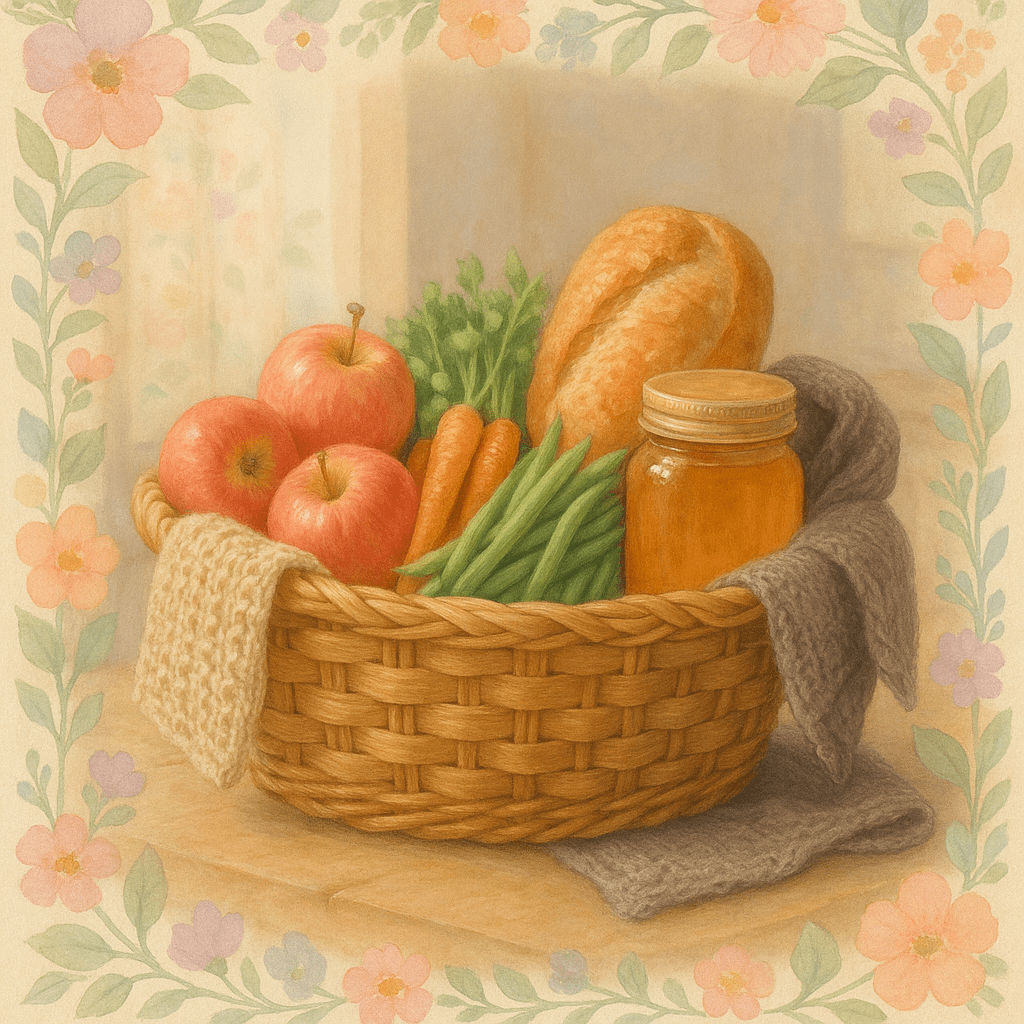
Living a 100 Mile Life can seem like it cost more. This involves sourcing as much of our food, fibers, and essentials from within a 100-mile radius. But here’s the truth: When you embrace seasonal eating, you can discover grocery savings. Shopping local produce doesn’t leave you feeling deprived. In fact, the 100 Mile Life can actually make your meals richer, simpler, and more budget-friendly.

1. Shop Seasonal, Shop Abundant for Grocery Savings

One of the best grocery savings tips is buying what’s in season. Local fruits and vegetables are most affordable when they’re abundant. Instead of expensive imported strawberries in January, enjoy crisp apples in September, squash in October, or sweet corn in July.

GrandmaCore wisdom: Buy in bulk when harvests are plentiful. A bushel of tomatoes or apples costs less per pound. With a little preserving, you’ll enjoy budget-friendly seasonal meals all winter.

2. Build Relationships With Local Farmers

Knowing your farmer means knowing your food—and often, saving money. Regular visits to a farm stand or market can result in small discounts. You will get bonus extras, like “take these cucumbers, they’re odd-shaped.” Sometimes, you can even barter. Supporting local farmers not only strengthens community, it helps you cut costs compared to supermarket shopping.

3. Embrace Simple, Frugal Meals

Local ingredients often encourage simpler recipes. A hearty soup made from root vegetables, beans, and fresh herbs can be filling and healthy. It can cost far less than take-out. These meals embody frugal grocery shopping while connecting you back to traditions of home-cooked care.

4. Reduce Waste and Stretch Your Grocery Budget

When you buy farm fresh food, it often lasts longer. Still, reducing waste is key. Roast beet greens with the roots, simmer chicken bones for broth, shred day-old bread into croutons. These small choices stretch every ingredient, creating grocery budget hacks that save you more than you realize.

5. Redefine “Treats” in the 100 Mile Life

A cinnamon bun from a local bakery, a wedge of regional cheese, or berries you picked yourself—these become meaningful luxuries. Because they’re intentional rather than impulse buys, you savor them more deeply while keeping your grocery budget in check.


The Joy of Enough

The secret to saving money on groceries without feeling deprived is embracing the joy of enough. Focus on seasonal eating. Support local farmers. Practice mindful shopping. You’ll find the 100 Mile Life doesn’t shrink your world. It expands it in surprising and satisfying ways.


Friend, what’s one local food swap you’ve made that saved you money? Share it in the comments—I’d love to hear!

💛
With gratitude and hope,
Grannie Doll
A Week of 100 Mile Meals: What I Ate, What I Learned — April 26, 2025

A Week of 100 Mile Meals: What I Ate, What I Learned


By Doll | dollcancreate.com

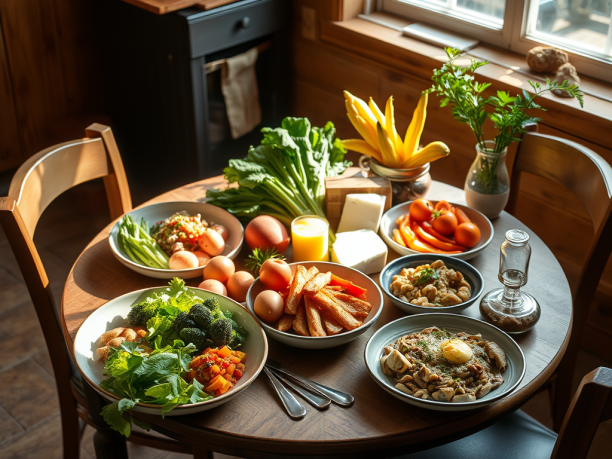
I challenged myself to spend an entire week eating meals. These meals were made from ingredients sourced within a 100-mile radius of my home. The idea was simple but profound. I wanted to deepen my connection to the land. It was also about supporting local producers and exploring what it means to truly eat “close to home.”

Here’s a glimpse into what I ate—and what I discovered along the way.


🍳 Day 1: A Breakfast Grounded in Home

  • Meal: Scrambled eggs with local cheddar, served on English muffins from Oakrun Farm Bakery (Brantford)
  • Local sources: Eggs from the farmers’ market, cheese from a regional dairy
  • Reflection: Starting the day with food grown and made nearby felt grounding. No fancy ingredients—just simple, satisfying nourishment.

🥣 Day 2: Soup for the Soul

  • Meal: Carrot, potato, and onion soup with homemade stock
  • Local sources: All vegetables from a local farm store; stock made from leftover bones from a locally raised chicken
  • Surprise: The flavour was richer than expected—fresh produce really does make a difference.
  • Reflection: I felt connected to the rhythm of seasons and soil.

🧀 Day 3: Plough-man’s Lunch

  • Meal: A rustic plate of local cheese, apples, sourdough bread, and pickled veggies
  • Local sources: Apple orchard just 15 minutes away; pickles canned last summer
  • Reflection: This felt like a picnic from another era—slow, thoughtful, rooted in tradition.

🥘 Day 4: Comfort in a Casserole

  • Meal: Ground beef and rice casserole with herbs from the garden
  • Local sources: Grass-fed beef from a farm visit last fall; rice sourced regionally
  • Reflection: Planning ahead (and freezing local meat) makes this lifestyle more doable than I thought.

🥕 Day 5: Veggie Skillet Supper

  • Meal: Cabbage, carrots, onion, and sausage all tossed together in a skillet
  • Local sources: Veg from the local stand; sausage from a family-run butcher
  • Surprise: How much I didn’t miss anything “exotic.” This was deeply satisfying.
  • Reflection: Eating locally doesn’t mean boring. It means seasonal, vibrant, and flavorful.

🥚 Day 6: Brunch for Dinner

  • Meal: Local eggs, fried potatoes, toast, and rhubarb preserves
  • Local sources: Everything within 50 miles—truly a feast from close to home
  • Reflection: There’s something joyful in keeping it simple and making it special.

🍎 Day 7: Sweet Ending

  • Meal: Baked apples with oats and a splash of cream
  • Local sources: Apples from the orchard, oats from a nearby mill, cream from a local dairy
  • Reflection: A week of eating local ended on a sweet note—and I wasn’t craving anything else.

💭 What I Learned

  • Planning is essential. Local eating takes more intention but less complication than you’d expect.
  • The taste is better. Fresher food, fewer miles, and a story behind every bite.
  • It’s about connection. To farmers, seasons, neighbours, and your own values.

This week reminded me that food isn’t just fuel—it’s a relationship. And when that relationship is rooted in care, proximity, and community, every meal becomes a moment of grace.

The 100-Mile Life: Exploring Local Food Choices — January 27, 2025

The 100-Mile Life: Exploring Local Food Choices

Hello, my friends! Have you ever stopped to think about where your food comes from? Is it flown in from thousands of kilometers away or sourced just down the road?

Welcome! This is Doll from Doll Can Create, where I share my journey of crafting and living intentionally. Today, I’m diving into the second set of rules I’ve created for my 100-Mile Life Experiment.

Rule #1: Use What You Have

In my last post, I talked about sourcing local wool for my knitting and crafting projects. While I work towards fully local wool, I’ve also committed to using what I already have. My Sophie scarf, for example, was made from yarn already in my stash. It may not be local, but it’s a step toward sustainability.

Now, I’m turning my attention to food—where it’s grown, processed, and packaged. My goal is to source as much as possible from within a 100-mile radius of my home.

Rule #2: Local Meat

Finding locally sourced meat is tricky. Many grocery store options are imported, like New Zealand lamb. However, I know of at least one local processor, and I’m exploring food delivery services that prioritize local meat.

Prepared products require extra scrutiny—labels often reveal where meat was packaged, which may or may not meet my 100-mile rule. It’s all about reading labels and asking questions.

Rule #3: Local Cookies and Baking

When it comes to snacks, I’m rethinking my choices. For instance, Oreos are made in Montreal, which is outside my 100-mile zone. Instead, I’m revisiting local options like Dare cookies or baking my own treats.

To support this, I’ve revived my sourdough starter. The warmer temperature in my apartment has helped it thrive, and I’m excited to bake bread again. I’m also researching local grain mills for flour from nearby farms.

Rule #4: Produce and Dairy

Winter makes sourcing fresh, local produce challenging, but I’ve found creative solutions:

  • Local dairy: Summit Dairy, just outside Ancaster, produces excellent products from its own herd. While slightly more expensive, their milk, cream, and chocolate milk are worth it.
  • Produce options: I’ve started using services like Produce Express, which allows me to choose local fruits and vegetables.
  • Sprouting at home: To enjoy fresh greens year-round, I’ve begun sprouting mung beans, radishes, and pea shoots. It’s a quick and satisfying way to supplement my diet with homegrown nutrients.

A Few Exceptions

Of course, I have a few items that I’m allowing myself to buy outside the 100-mile rule, like matcha tea, green tea, and coffee. But even here, I plan to transition to local roasters once my current stash is used up.

Sharing the Journey

This journey is just beginning, and I’m excited to share more about my research and discoveries in future posts. From finding local suppliers to adapting recipes, it’s an adventure in mindful living.

What about you? Does the idea of sourcing food locally appeal to you, or does it feel daunting? Share your thoughts in the comments—I’d love to hear from you.

Until next time, this is Doll from Doll Can Create, reminding you that you can too. Let’s create a more intentional, sustainable life together.

Stay tuned, and bye for now! Blessings to you.