
Hand-Spun Wool, Slow Hands, and the Gentle Joy of Making
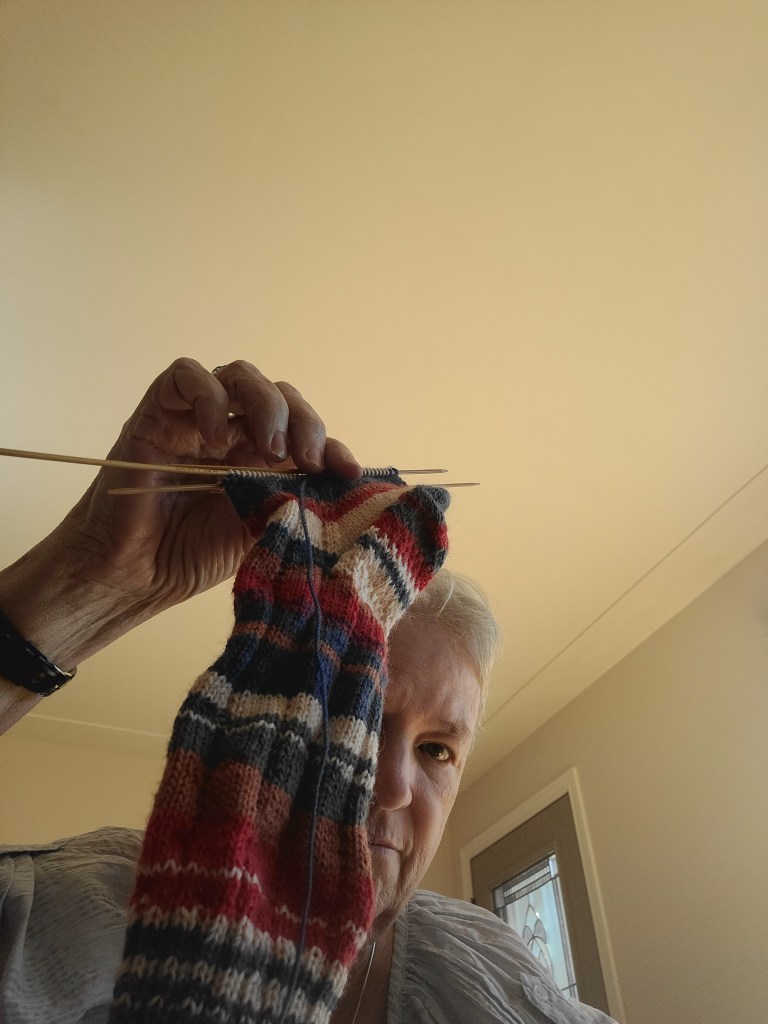
There is something deeply comforting about knitting mittens as the seasons turn colder. Perhaps it’s the way wool slips through your fingers, warm even before it becomes fabric. Or maybe it’s the quiet knowing that soon, these stitches will cradle someone’s hands through winter winds.
For me, mittens are more than a project. They are a story—of wool, of the land, of slow living, and of the heart.
From Fleece to Fingers: The Story Behind the Wool
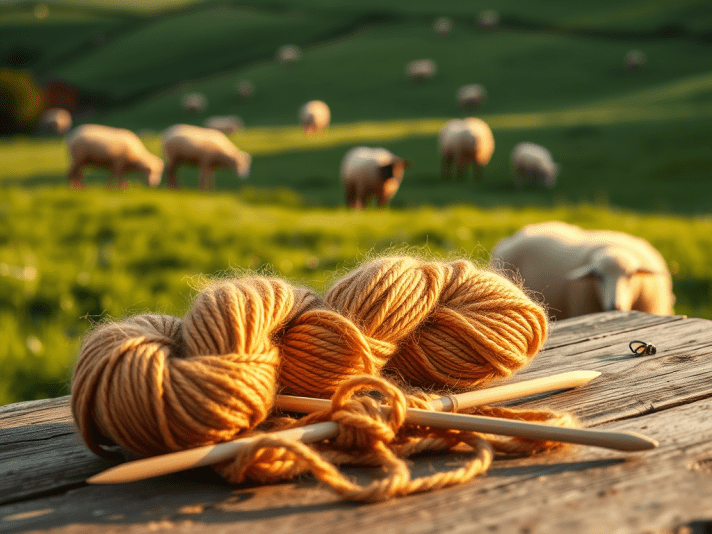
These mittens began long before I cast on. The wool came from a little farm well within my 100-mile radius. The sheep graze on open fields there, and the shepherd knows them by name.
I brought home a cloud of fawn-coloured fleece. I washed it and carded it. Then, I spun it into DK-weight yarn on my spindle. It was my own quiet rhythm of morning prayer and gentle breathing.
By the time the yarn was ready, it already felt like a blessing.
Hand-Spun Mittens & the Art of Slow Living
In a world that pushes us to rush, knitting mittens is my way of resisting the hurry.
Hand-spun wool takes its time:
- Fibre becomes rolags
- Rolags become singles
- Singles become plied yarn
- The yarn becomes something warm enough to hold a life story
There is holiness in those slow steps.
A reminder that God often works in us the same way—layer by layer, twist by twist, shaping us gently.
Warm hands start with slow hands… and so does a warm heart.
Why Hand-Spun Makes the Best Mittens
Hand-spun yarn carries a charm that commercial yarn simply can’t imitate.
It holds:
- Loft that traps heat
- Natural lanolin that softens the wool and repels moisture
- A cozy thickness unique to your spinning
- Personality in every slight variation
The resulting mittens feel alive—with warmth built into every fibre.
A Mitten Pattern Journey of My Own
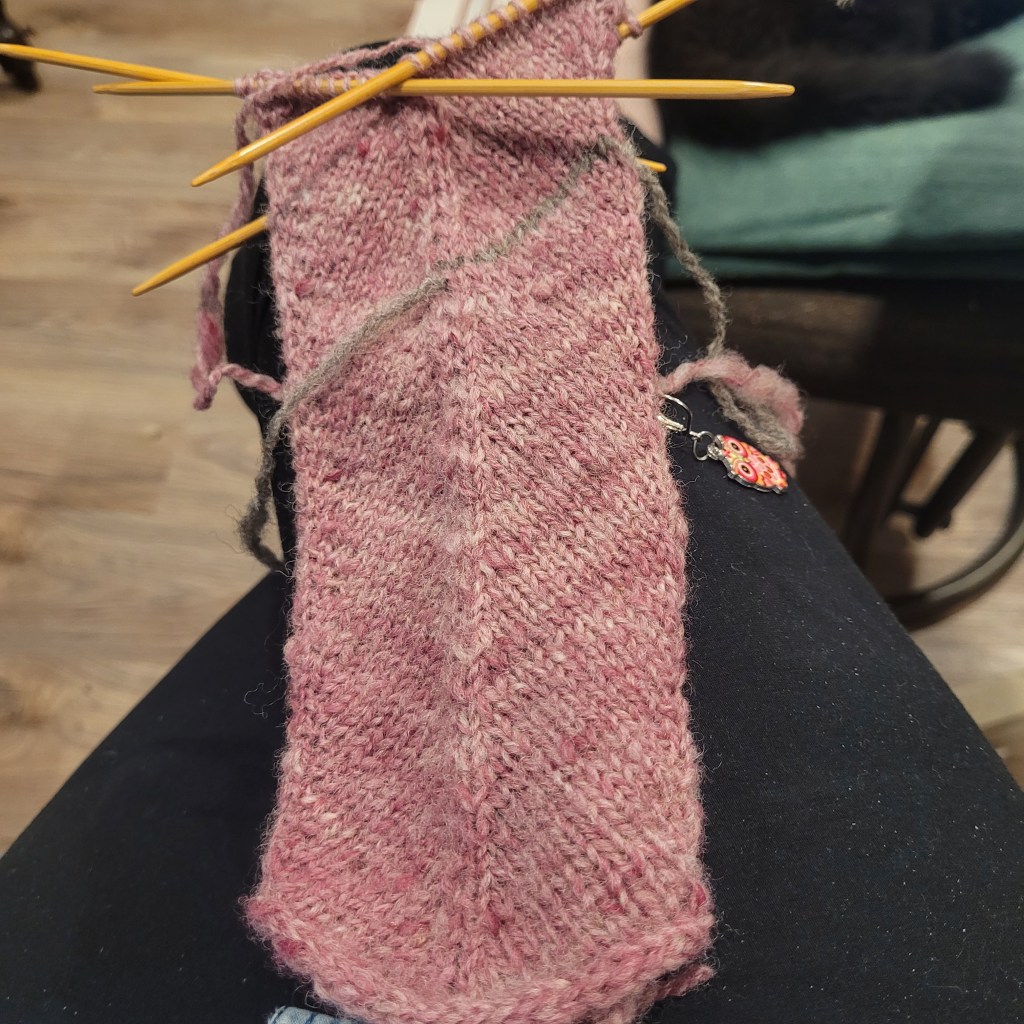
I always start with a simple shape—cuff up or top down, depending on the yarn’s mood. This pair grew softly on my needles, the thumb gusset forming like a gentle hug around the hand.
Some rows held prayer.
Some held worries released.
Some held gratitude.
All held intention.
Knitting with hand-spun is never just after a pattern.
It’s listening.
Colours That Hold Meaning
The palette for these mittens came from nature’s own hand. Soft browns and warm tans are included. There are also gentle shades you only get from sheep who live close to home.
You can add colour work in your own soothing tones:
- Lavender for calm
- Blues for peace
- Rose for compassion
Imagine each row carrying a blessing for the person who will wear them.
The First Snow Test
There is nothing like slipping on a pair of new mittens when the first snowfall blankets the world. The wool is warm, the cuff snug, and the snowflakes melt gently against the fibres.
A cup of hot tea waits indoors.
And in that small moment, everything feels right.
Warm hands, warm heart… and the simple joy of living slowly.
Hand-Spun Mittens as Quiet Ministry
Knitting mittens isn’t just crafting—it’s caring.
A small ministry of warmth.
Someone out there needs a reminder that they’re held.
Maybe it’s a neighbour.
Maybe it’s a grandchild.
Maybe it’s you.
Handmade warmth is one of the oldest love languages we have.
“God, bless these mittens. Bless the hands that made them,
and bless the hands they will warm.”
Living Local, Living Loved
These mittens are part of my 100-Mile Life journey. I choose materials close to home. I support local farms. I honour the land that sustains me.
A life of slow stitches, local wool, and homemade comfort feels like a gentle rebellion against fast living.
And it’s a rebellion I’m happy to join.
A Cozy Call to Action
Tell me in the comments:
What are you knitting to keep warm this season?
Have you ever tried knitting mittens from your own hand-spun?
I’d love to hear your stories.
Until next time,
May your hands stay warm, your heart stay open,
and your stitches lead you into quiet joy.
— Grannie Doll 🧤💗