Doll Can Create

100 Mile Life/Grandma Core

What is Socktober? A Gentle Knitter’s Guide — October 4, 2025

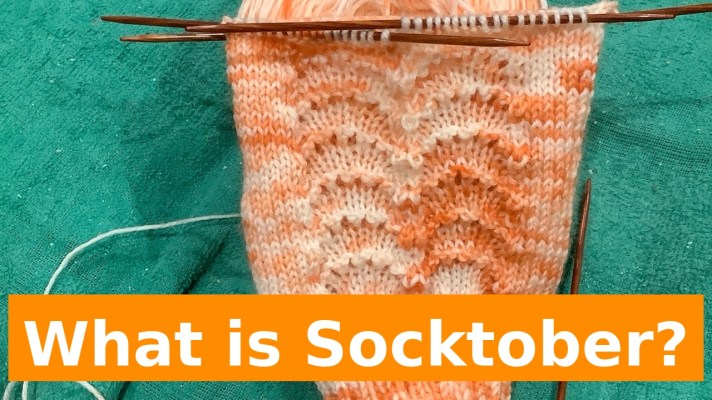
What is Socktober? A Gentle Knitter’s Guide

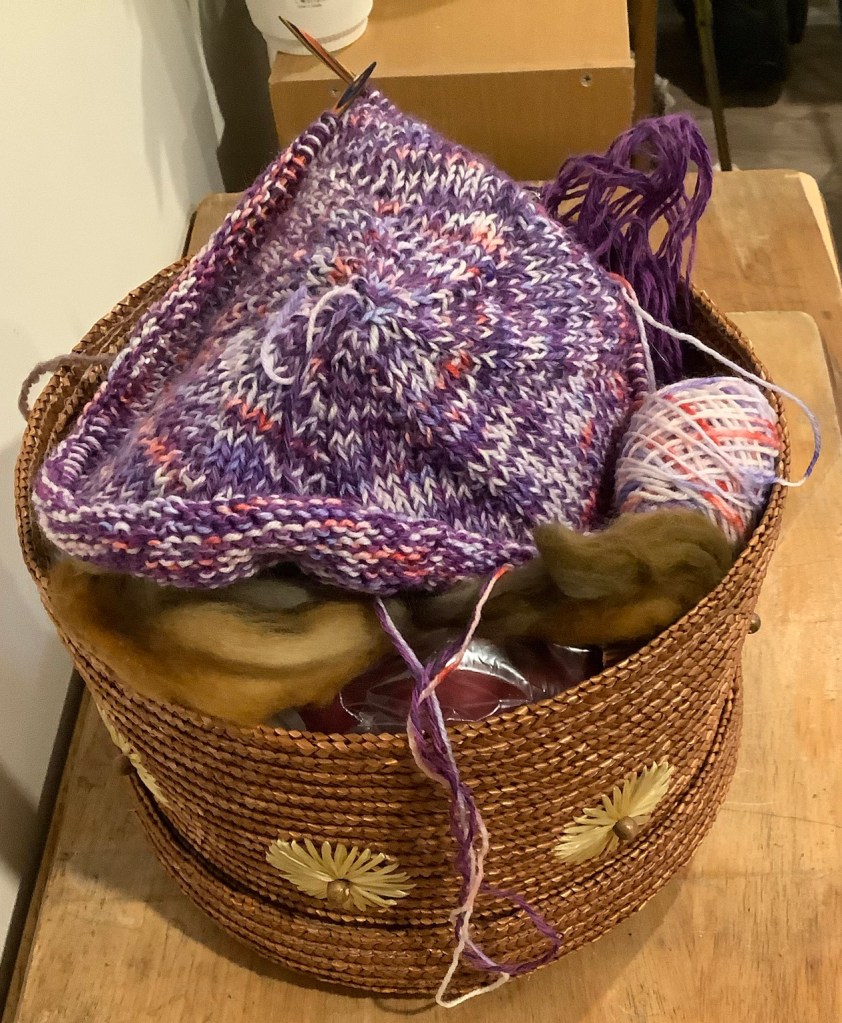
There’s a chill in the air on the Hamilton Mountain these days. The leaves are turning. The teacup is warm in my hands. My knitting basket sits beside me like an old friend. October has a way of drawing us inward — toward hearth, toward family, toward the things that keep us warm.

And so, every October, knitters the world over gather together in a gentle, joyful tradition called Socktober.


The Heart of Socktober

Socktober is just what it sounds like: a month dedicated to socks. But it’s more than knitting a cozy pair for yourself. It’s about sharing warmth. It raises awareness of those who need it most. You can find joy in the small, steady rhythm of stitches.

A sock, after all, is humble but essential. It keeps us warm, carries us mile after mile, and reminds us that little things matter. Knitters in every corner of the world pick up their needles each October to create socks. These socks will be worn, gifted, or donated. It’s community, one stitch at a time.

A Gentle Knitter’s Guide

If you’re wondering how to join in, here’s a cozy path you can take:

  1. Pick Your Yarn – Maybe it’s that skein of wool you spun on your spindle this summer. Or perhaps it’s a hand-dyed treasure from a local farm within your 100-mile circle. Choosing local wool supports farmers and mills nearby. It also connects you more deeply to the land that keeps you warm.
  2. Choose a Pattern – From the simplest ribbed sock to the fanciest lace, Socktober welcomes every style. Around here, I lean toward practical, hearty socks. These are the kind you can wear for chores, walks, or when curled up with a book.
  3. Set a Gentle Goal – This isn’t a race. Maybe you’ll finish a pair, maybe only a single sock. That’s perfectly fine. The joy is in the making.
  4. Share the Journey – Share your work on Instagram under #Socktober. You can also share it in a knitting circle. Even sharing with a dear friend who admires your work is great. Sharing keeps the community cozy.

Community and Care

One of the loveliest things about Socktober is the giving. Many knitters donate socks to shelters or gift them to someone who use extra warmth. For me, this ties so sweetly into my 100 Mile Life. I choose to eat local food and support small farms. I can knit socks that serve and support the people nearest to me.

It’s a beautiful reminder that our creativity has purpose: warming both body and heart.


A Spiritual Thread

I can’t help but see socks as a metaphor for our walk of faith. Each tiny stitch seems small on its own, but together they create something whole, useful, and beautiful.

The prophet Zechariah reminds us: “Do not despise these small beginnings, for the Lord rejoices to see the work begin” (Zechariah 4:10). Just as socks are knit stitch by stitch, our lives of faith are lived step by step — each act of kindness, each prayer, each handmade gift carrying us along.


A Cozy Invitation

Dear reader, whether you are a seasoned sock knitter or not, I invite you to join me in Socktober. You’ve never cast on a cuff in your life. Knit a sock. Knit a pair. Gift one away. Or simply curl up with a teacup and watch the yarn flow through your fingers.

Here at DollCanCreate, I’ll be sharing my Socktober moments, my cozy local yarns, and the joy of knitting slowly. You’ll share yours too — I’d love to hear your Socktober story.


A Blessing to Close

May your October be filled with warm stitches. Enjoy gentle evenings. Experience the joy of walking in love, one sock at a time. And may every pair of socks remind us that even the simplest things can carry us through the journey.

With gratitude and wool,
Grannie Doll 💕🧶
🧶 Knitting on a Budget Toolkit: Make Beautiful Things Without Breaking the Bank — May 22, 2025

🧶 Knitting on a Budget Toolkit: Make Beautiful Things Without Breaking the Bank

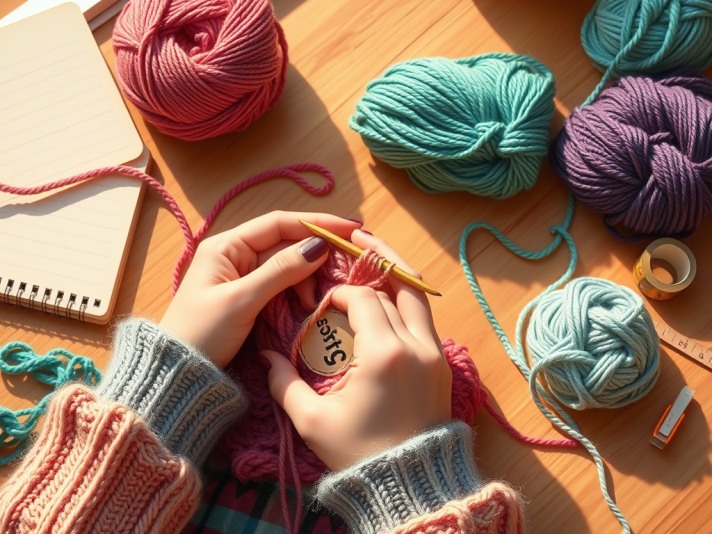
The rising cost of yarn and supplies can take the fun out of your favorite craft. It doesn’t matter if you’re new to knitting or a seasoned fiber artist. But don’t worry — creativity thrives under constraint. Did you know that you can knit beautiful items without breaking the bank? These Knitting on a Budget Toolkit ideas are here to help you make the most of what you have. It will stretch your dollars. You’ll still knit projects you’ll love.

🧰 1. Yarn Price Tracker

One of the best ways to stay within your fiber budget is to track yarn prices. Keep a simple log of:

  • Yarn brand and fiber content
  • Cost per skein or per 100g
  • Where you purchased it (or if it was a gift)
  • Project used for

By comparing prices over time, you’ll spot the best deals — and avoid impulse buys that aren’t a good value.


🧺 2. Stash-Busting Project Checklist

You probably have yarn in your stash you’ve forgotten about! Use it up with these go-to stash-busters:

✅ Dishcloths and scrubbies
✅ Striped scarves or hats
✅ Granny square blankets
✅ Color-block shawls
✅ Mismatched socks

Make it a challenge: Try not to buy any yarn for a month. See what you can finish with just your stash. Join me in June for a knit or crochet from our stash challenge.


🌐 3. Free & Fabulous Pattern Sources

You don’t have to pay for patterns to make stunning pieces. Here are my favorite free pattern resources:

  • Ravelry.com
  • Local library or community center pattern books

♻️ 4. Upcycle and Unravel

Look at thrift stores or your own closet for 100% wool or cotton sweaters that you can unravel. Here’s how:

  • Choose sweaters with knit seams, not serged.
  • Wash gently in cold water and dry flat.
  • Carefully unravel, wind into skeins, and soak to relax the yarn.

This method can yield luxury yarn for pennies.


🛠️ 5. Tools That Do Double Duty

You don’t need a drawer full of gadgets to knit well. Some budget-friendly substitutions:

  • Use a paperclip as a stitch marker
  • Recycle cardboard into yarn bobbins
  • Use a measuring tape app if you’ve lost your real one
  • Keep a notebook for all your pattern notes — cheaper than printing pages Here’s one I’m using:

If you invest in anything, go for interchangeable needles — one set can do it all.


💬 Let’s Chat!

How do you save money on knitting? Share your favorite tip or stash-busting success story in the comments below. Don’t forget to pin this post for later!

🧶 Ready to Start Knitting Smarter?

Don’t let a tight budget hold back your creativity!

You can start easily with a travelers notebook like this one. Just set it up the way you like and go.

This is a great journal to track your knitting:

*I might make a small commission from Amazon. Thank you for supporting my blog.

Meet the Maker: How I Fell in Love with Spinning and Knitting — May 15, 2025

Meet the Maker: How I Fell in Love with Spinning and Knitting

Introducing Myself: A Journey in Wool
By [Doll Creelman]

Welcome to my corner of the internet. I wanted to introduce myself. Let me share a little bit about the passions that shape my life and work. If you’re here, you probably love fiber arts. You enjoy handmade things. Or, you’re just curious about the person behind the yarn. Either way—I’m glad you’re here.

The Roots of My Passion

My love for fiber arts didn’t start in a craft store or a YouTube tutorial—it started in a sheep pen.

As a child and even into my teenage years, I remember watching the sheep on my great-uncle Silas’s farm. There was something deeply moving about the way the sheep responded to his voice. He would call, and they would come. It was a simple yet sacred ritual that stirred something pastoral in me. That’s when I knew I wanted to dive deeper. I was intrigued not just with the sheep. I was also captivated by the wool they gave and the stories it would tell.

Back then, I knew how to knit a little and crochet some, but I longed for more. I wanted to learn to spin.

A Fiber Journey Begins

At first, wool felt out of reach. Buying 100% wool yarn was expensive, and spinning wheels were even more so. I had never heard of a drop spindle until one day I stumbled across it online. That discovery changed everything. I realized I start spinning on a budget. eBay, YouTube tutorials, and fiber forums became my teachers.

We found a local farm having a shearing day. I jumped at the chance to help. I paid for a sheep’s injections that year in exchange for the fleece. I took it home—dirty, greasy, and full of potential. Washing, drying, carding—it was all a massive learning curve, but slowly I started to understand the rhythm of the wool.

I spun enough for a pair of socks. I was so proud. Then I found a used plastic spinning wheel from Wisconsin—affordable and practical. It arrived in a box, and before long, I was spinning with both hands and heart.

From Wool to Wardrobe

The learning curve was real—drive bands breaking, fiber filled with neps, uneven bits and short pieces. But those frustrations became milestones. Each little hiccup taught me something new.

Now, I have a stash (as most crafters do). More fiber than projects. More yarn than ideas. And yet, choosing what to spin, how to dye, and what to knit still brings me joy. Some projects are for me. Some are gifts. Some are experiments in texture and color. That’s part of the magic.

The most exciting project? Probably that first pair of socks from my handspun yarn. But honestly, each finished project—whether from hand-dyed yarn or commercial wool—feels like a little victory.

Why It Matters

I’m passionate about fiber arts because I feel like I’m part of the process. From fleece to yarn to garment, I get to shape something with my hands that’s both beautiful and practical. It reminds me of ministry, too—how something raw can be transformed with care and intention.

Fiber art teaches me patience, persistence, and presence. And it connects me to something older than myself—an ancient rhythm of craft, care, and community.

Thanks for taking the time to get to know me a little better. Whether you’re here to learn or be inspired, I’m happy we met. I’m also delighted to share in the joy of handmade living with you.

Thanks for taking the time to get to know me a little better. Whether you’re here to learn or be inspired, I’m glad we’ve crossed paths. You also be here to simply share in the joy of handmade living.

I’d love to hear your story too.
Do you spin, knit, crochet, or sew? Have you ever worked with raw wool or dreamed of trying? Drop a comment below or send me a message—I truly enjoy connecting with fellow makers.

If you’d like to follow along on my fiber journey, you can get tutorials and project updates. It also includes reflections on faith and creativity. Subscribe to the blog or follow me on Instagram @Dollcan.

Let’s keep creating, learning, and finding joy in the process—together.

Doll

Finding Grace in the Craft — May 5, 2025

Finding Grace in the Craft

Moments that calm the soul By Doll Can Create


There’s a sacred quiet that settles in when I sit down to spin or knit. The world slows. The chatter softens. And in that stillness, something deeper begins to stir: grace.

Grace shows up in the ordinary
It’s in the way the yarn stretches just far enough to finish the row. Or when the spindle spins true, even after a long day. It’s the sigh of relief when the colors blend just right. It’s also when your hands remember a rhythm your mind had forgotten. Nothing flashy. Just the quiet kindness of things working together.

Crafting is a way of praying. You use your hands for this prayer. Colossians 3:23 (NIV):
“Whatever you do, work at it with all your heart, as working for the Lord, not for human masters.”


I often say that knitting is my way of keeping a quiet conversation going with God. Each stitch holds a moment, a breath, a hope. Spinning wool feels the same. The fibers remind me that slow is good. Twists and turns are part of the story. There is calm in that letting go.

When life feels messy, crafting provides it with form and structure.
There’s something healing about watching chaos turn into order. A tangled skein turns into a neat ball. Scraps become a blanket. Roving transforms into yarn. Crafting reminds me that transformation takes time and that even messiness has its purpose.

You don’t have to make something perfect. Just make
Grace doesn’t demand perfection. It welcomes presence. Whether you’re pulling stitches back or trying a new pattern, grace sits beside you and says, “It’s okay. Keep going.” And calm follows when we stop measuring success by speed or flawlessness.

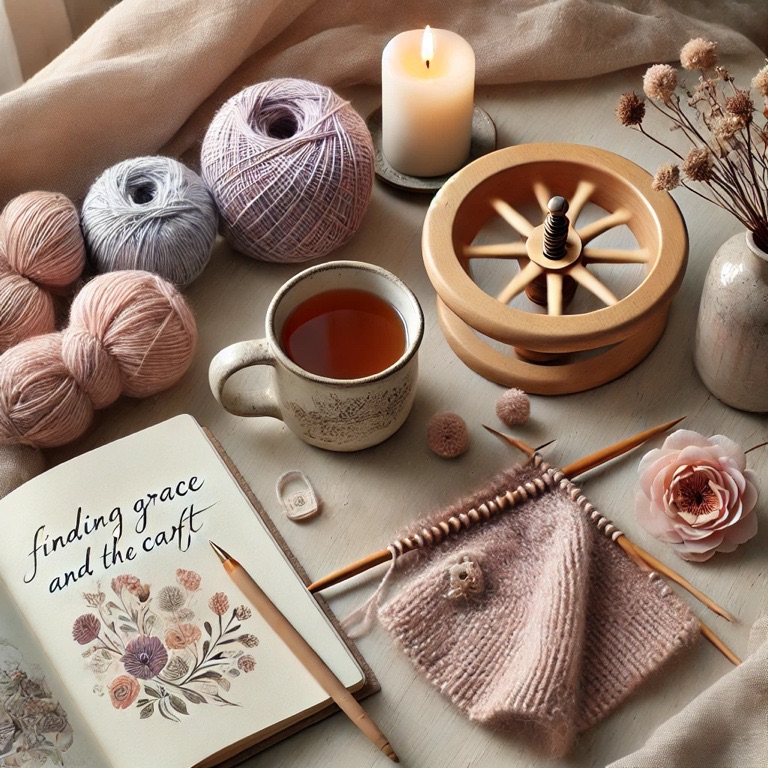
So light a candle. Make a cup of tea or your favourite beverage. Pick up your needles, your spindle, your cloth. Let your craft become your quiet sanctuary—a place where grace can find you.

5 Must-Have Items to Start Spinning with a Spindle — March 17, 2025

5 Must-Have Items to Start Spinning with a Spindle

Welcome! If you’re new to spinning, this post is for you. I’ll be sharing five essential items that will help you get started. Spinning is an ancient craft, one that predates the spinning wheel itself. Before the wheel, people used a simple yet effective tool: the spindle. Let’s dive into what you need to begin your own spinning journey.

1. A Spindle

When I first started spinning, I was looking for an affordable way to make 100% wool socks. The yarn available in my area was mostly plain white or brown, so someone suggested that I try spinning my own. That’s when I discovered the drop spindle.

I bought my first spindle on eBay, and it came with some fiber to practice on. Over time, I’ve gathered several different spindles, each with unique characteristics:

  • DIY Spindles: My husband made one using a dowel, a round piece of wood, and a cup hook.
  • Plastic Spindles: I have a small 3D-printed spindle that’s lightweight and easy to use.
  • Top and Bottom Whorl Spindles: Both work well; it’s all about personal preference.
  • Turkish Spindles: These allow you to create a center-pull ball as you spin.
  • Heavier Spindles: Ideal for plying and getting a leader started.

The key is finding a spindle that spins smoothly and suits your style.

2. Fiber and Fiber Preparation Tools

Once you have a spindle, you’ll need fiber! You can buy pre-washed and prepared fiber or process raw fleece yourself. If you’re preparing fiber at home, you’ll need tools to help:

  • Dog Brushes: Before I bought hand cards, I used two dog brushes to prepare fiber.
  • Hand Cards and Drum Carders: These tools help align fibers for easier spinning.
  • Combs: Useful for finer fiber preparation.

Spinning starts with good fiber prep, so having the right tools can make a big difference.

3. A Niddy Noddy

A niddy noddy is a tool that helps measure and skein your yarn. I have a handmade wooden niddy noddy that my husband crafted in 2004. I also have a 3D-printed version that is more compact and versatile.

By wrapping yarn around the niddy noddy, I can measure my yardage and prepare the yarn for setting. Whether you choose wood or plastic, this tool is incredibly helpful for any spinner.

4. Wraps Per Inch (WPI) Tool

A WPI tool helps determine the thickness of your yarn by counting how many times it wraps around a set measurement. If you don’t have a WPI gauge, a standard ruler works just as well!

Knowing your WPI helps ensure that your handspun yarn is the right weight for your project, whether you’re making socks, shawls, or sweaters.

5. A Lazy Kate or Alternative Plying Solution

If you plan to ply your yarn, a lazy kate can be very useful. While some wheels have built-in lazy kates, I’ve also used DIY solutions:

  • Handmade Lazy Kate: My husband made one using a log and dowels.
  • Plying Bracelet: When working with a single ply, I sometimes wrap it around my wrist and ply from there.

A lazy kate or an alternative plying method helps keep tension even and makes plying much easier.

Bonus: The Joy of Slow Spinning

Spinning is more than just making yarn—it’s a meditative and mindful process. Whether I’m in my rocking chair spinning, or walking outside with a spindle in hand, I find that this craft allows me to slow down and be present. Sometimes, I even use my spinning time for prayer and reflection.

There’s something deeply satisfying about creating yarn from fiber, knowing that each step of the process is part of a long-standing tradition. So if you’re just starting out, take your time, enjoy the process, and embrace the rhythm of spinning.

If you’d like to see a spindle demonstration, let me know! And don’t forget to subscribe, comment, and share your spinning journey. May you find blessings in each day. Happy spinning!

Rocking chair crafting goals 2025 — March 1, 2025

Rocking chair crafting goals 2025

Hello, dear friends! It’s Doll from Doll Can Create, and I’m thrilled to have you join me today. As we usher in March, the landscape around us is in flux—snow, rain, sleet, and the promise of spring. It’s a season of renewal, and what better time to embark on a year-long journey of mindful, local crafting?

Embracing the 100-Mile Crafting Challenge

Inspired by the 100-Mile Diet, which encourages sourcing food within a 100-mile radius to promote sustainability and support local economies, I’ve decided to apply this concept to my crafting endeavors. The goal is to source fibers and materials from local farms and artisans, thereby reducing our carbon footprint and fostering a deeper connection with our community.

en.wikipedia.org

The Importance of Setting Crafting Goals

Without clear goals, it’s easy to drift from one project to another, leaving many unfinished. By setting specific objectives, we can channel our creativity more effectively and experience the satisfaction of completing meaningful projects. For instance, committing to knitting a pair of socks each month or spinning a certain amount of fiber weekly can provide structure and motivation.

zenyarngarden.com

My Current Projects and Fiber Adventures

Recently, I’ve been spinning some delightful brown fiber gifted from Germany—a blend that’s been a joy to work with. Additionally, I’ve spun yarn from local sheep, resulting in a sturdy two-ply yarn. While I haven’t decided on the final projects for these yarns, I’m contemplating various options like scarves, socks, or perhaps even a cozy sweater.

Tips for Your Crafting Journey

  1. Start Small: If you’re new to spinning or knitting, begin with manageable projects like hats or scarves. Completing these can boost your confidence and inspire you to tackle more ambitious endeavors.
  2. Keep Records: Maintaining a crafting journal can be invaluable. Documenting your projects, materials used, and techniques learned not only tracks your progress but also serves as a reference for future projects.
  3. Set Seasonal Goals: Align your projects with the seasons. Winter might be ideal for cozy accessories, while spring could inspire lightweight garments. Summer offers opportunities for natural dyeing, and fall is perfect for larger undertakings like sweaters.

Health Benefits of Knitting and Spinning

Beyond the tangible products we create, crafting offers numerous health benefits. Engaging in activities like knitting can reduce stress, enhance cognitive function, and promote relaxation. It’s a therapeutic practice that nurtures both mind and body.

Join Me on This Journey

I invite you to embark on this year of mindful local crafting. What’s the first project you’ll start this March? Where will you source your materials? Share your plans and experiences in the comments below. Together, let’s make this year one of creativity, sustainability, and community connection.

Until next time, happy crafting, and may your projects bring you joy and fulfillment.

Blessings,

Doll

Embracing the 100 Mile Life: A Journey to Living Locally — February 4, 2025

Embracing the 100 Mile Life: A Journey to Living Locally

Introduction and Welcome

Hello, friends! Have you ever paused to consider what a typical Tuesday afternoon might look like for me? Grab your favorite drink and join the conversation as we dive into life’s simple pleasures. I’m Doll, from Doll Can Create, inviting you to explore a day in my life.

Exploring the 100 Mile Life

Today, I’m excited to share insights about my 100 Mile Life journey. This adventure began with some self-imposed guidelines intended to encourage local living. While I strive to source within 100 miles—equivalent to 160 kilometers—not everything fits this boundary. Essentials like oranges, bananas, coffee, tea, and sometimes grapes remain exceptions due to practical reasons.

My 100 Mile radius encompasses significant parts of Lake Ontario and Lake Erie, which limits fresh produce, especially during winter. However, my reasons extend beyond mere locality; they’re about minimizing environmental impact by reducing global shipping dependencies.

Some may question the avoidance of big box stores, but in Southern Ontario, larger companies like Walmart and Amazon offer employment opportunities to many. While I do make use of these resources, I’m mindful about curbing my dependency for budgetary reasons.

For instance, recent purchases included grocery staples like cake mixes, graham crackers, and grapes—but there’s a conscious effort to make some of these from scratch. The yarn, however, remains non-negotiable for the foreseeable future; my current stash is more than sufficient.

Spinning and Fiber Projects

Currently, I’m working on various fiber projects. I have a spindle with German wool—a delightful gift part of an exchange event. A different roving, is 100 grams of beautifully hand-dyed wool excites my imagination, possibly inspiring a new pair of socks!

While I ponder different creative outcomes, my spinning continues. Often, I combine fibers for projects, such as socks, ensuring strength and durability in final products. Although not all yarns are local, they represent special gifts or accumulated resources ready to transform.

Supporting Local and Final Thoughts

The 100 Mile Life isn’t just a hobby; it’s an opportunity to forge meaningful local connections—working with shepherds, farmers, and craftspeople. Through this journey, I hope to compile a booklet for those intrigued by locavorism, offering practical steps to engage with their communities.

Central to my mission is supporting Canadian wool industries. Despite seeing vast shipments of Canadian wool abroad, I remain committed to utilizing local mills wherever feasible. Crafting personal items from Canadian wool furthers this goal, reducing unnecessary transport miles.

As I scale back on external purchases, festivals and sales become opportune spaces to engage with local artisans. Moving forward involves careful consideration of wants versus needs, especially when acquiring non-local items.

Recent reflections include shifting book purchases to a local bookstore instead of Amazon. This minor adjustment embodies the ethos of my initiative—supporting local economies and reducing carbon footprints.

Today, as I conclude my yarn spinning, the journey continues. Sharing moments like this with you reinforces the transformative power of mindful living. Until next time, remember: if I can create, so can you. Have a wonderful week, and let’s continue this exciting adventure. Bye for now, and take care! Doll

Rocking Chair Knit & Chat – A Rainy Friday Afternoon — February 1, 2025

Rocking Chair Knit & Chat – A Rainy Friday Afternoon

  • Host: Doll from Doll Can Create – and you can too!
  • Live Knit & Chat:
    • A cozy session during a rainy Friday afternoon.
    • Reflecting on self-care, or as a pastor, “self-ministry.”
    • Importance of ministering to oneself with kindness and uplifting activities.

A List of what I shared:

Current Knitting Projects

  1. Socks:
    1. Working on the toe of a sock, almost done.
    2. Using a standard wedge toe method.
    3. Yarn: Kroy Sox FX (75% wool, 25% nylon).
    4. Unsure if there’s enough yarn for heels and toes.
    5. Following “Vanilla Latte” pattern from Ravelry.
    6. Heel pattern from Tracy at thepassionknitspinner.
    7. Planning to cast on the next sock immediately after finishing this one. (which I did)
  2. Fingerless Mitts for Husband:
    1. Still working on the cuff.
    2. Used hand-spun yarn for the project.
  3. Hat:
    1. Designed by Tracy (thepassioknitspinner).
    2. Brioche knitting in the round.
    3. Using a heavier yarn, opting for a single strand instead of two-ply.
    4. Folded brim for extra warmth.
  4. Sweater (Whatever Sweater):
    1. Using Briggs & Little single-ply yarn.
    2. Knitting the bottom section, still a work in progress.

Other Crafting & Spinning

  • Neglected Spinning:
    • No spindling, wheel spinning, or fiber prep this week.
    • Plans to get spinning back into the routine.
  • Dyeing Experiment:
    • Used onion skins and avocado pits/peels.
    • Will share in a future video.
  • Spinning for Mittens:
  • Hand-Dyed Sock Yarn (Royal Oak):
    • Dyed with acorns collected by daughter and granddaughter.
    • Moving towards using locally sourced fiber for future sock yarns.
    • Wool sourced from a local farm (Rampart Farms)  (Merino & BFL cross).

Other Creative Interests

  • Crochet:
    • Enjoys crocheting but does it less often.
    • Working on a wall hanging using Arne & Carlos pattern. (Astrid)
    • Has a mile-a-minute blanket in progress.
    • Used to enjoy crocheting doilies and small projects.
  • Sewing:
    • Plans to start sewing again.
    • Purchased a Simplicity skirt pattern.
    • Prefers avoiding zippers in sewing projects.
    • Looking to use fabric from donated church supplies.
    • Would love to work with linen in the future.

100-Mile Life Challenge

  • Buying locally:
    • Focused on grocery shopping within a 100-mile radius.
    • Allowing exceptions for bananas, oranges, and some imported fruit.
    • Exploring thrifting for clothing.
    • Prioritizing local wool for fiber arts.

Home & Life Updates

  • Plants:
    • Revived a nearly dead money tree before Christmas.
    • Thriving with new leaves after proper care.
  • Matcha Tea:
    • Recently started making matcha using a traditional set.
    • Enjoys the earthy taste and daily ritual.

Community & Interaction

    • What are you working on?
    • Any new projects or patterns you want to try?
    • Do you crochet?
    • Where are you watching from?

Final Thoughts

  • Wrap-up & Invitations:
    • Subscribe & follow Dollcancreate.com for more.
    • Newly launched Patreon for additional content.
    • Wishing everyone a great weekend. Stay safe & God bless!

Bye for now! 👋

It’s Wovember! — November 1, 2024

It’s Wovember!

Hello, fellow fiber enthusiasts! 🎉

Today marks the beginning of Wovember, a month dedicated to celebrating the beauty and versatility of wool in all its forms. I’m thrilled to invite you to join me on this woolly journey as we explore the wonders of Canadian wool throughout November!

#### What is Wovember?

Wovember is a month-long celebration that encourages knitters, crocheters, and fiber lovers to appreciate the natural fibers that keep us warm and cozy. It’s a time to share our projects, connect with fellow crafters, and honor the sheep that provide us with this incredible material.

#### My Focus: Canadian Wool

This year, I’m excited to focus specifically on Canadian wool. Canada is home to a rich variety of sheep breeds, each offering unique qualities and characteristics. From the soft and luxurious Merino to the rustic and durable Romney, there’s so much to discover!

In my latest YouTube video, I dive into my knitting plans for the month and share some of my favourite Canadian wool sources. I’ll also discuss the benefits of using local wool and how it supports our communities and the environment.

#### Join the Conversation!

I want to hear from you! What are your knitting plans for Wovember? Are you working on any special projects or trying out new yarns? Share your thoughts in the comments section of my video, and let’s inspire each other to create beautiful woolen pieces this month.

#### Let’s Celebrate Together!

As we embark on this woolly adventure, I encourage you to share your own Wovember projects on social media using the hashtag #Wovember2024. Let’s fill our feeds with the beauty of wool and the creativity of our community!

Thank you for being a part of my journey at Doll Can Create. I can’t wait to see what you all create this November!

Happy knitting!

Doll

What’s your choice for winter? — October 23, 2024

What’s your choice for winter?

As the chill of winter approaches, it’s time to think about keeping our hands warm. In my latest YouTube video titled “Mittens or Gloves: What’s Your Choice for Winter?”, I dive into the world of winter handwear and discuss the importance of planning for mitten knitting, even when the weather is still warm outside.

In this video, I share some of my past mitten projects, showcasing my favorite creations, including cozy fingerless mittens made from hand-spun, hand-dyed yarn. These unique pieces not only keep your hands warm but also add a personal touch to your winter wardrobe.

I emphasize that as knitters, we often need to think ahead. Starting your mitten projects early allows you to experiment with different patterns and techniques without the pressure of a looming deadline. Plus, it gives you the chance to create beautiful gifts for friends and family!

Throughout the video, I also touch on various knitting techniques that can enhance your mitten-making experience. Whether you prefer the snug fit of gloves or the warmth of mittens, there’s something for everyone in the world of knitting.

If you’re interested in learning more about my mitten-making journey and want to see some of my favourite projects, be sure to check out the video on my channel, Doll Can Create. I’m excited to share my passion for knitting with all of you!

Thank you for your support—don’t forget to like, subscribe, and share with your friends! Let’s keep our hands warm this winter, one stitch at a time.

Doll