3 Questions to Consider Before Your Next Wardrobe Purchase
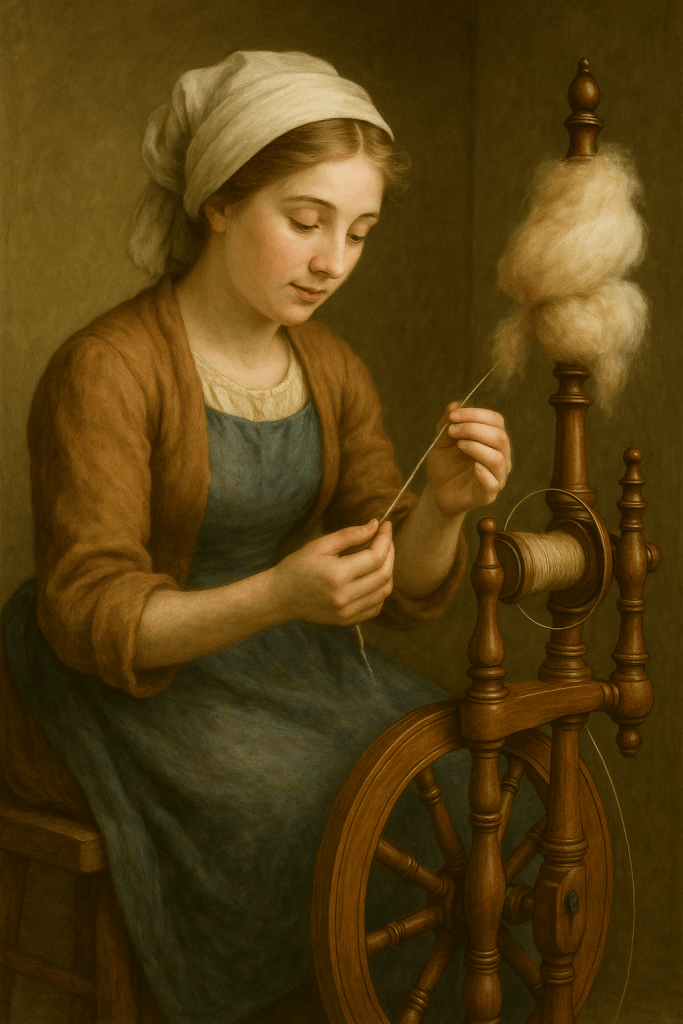
Slow Fashion can look like this:
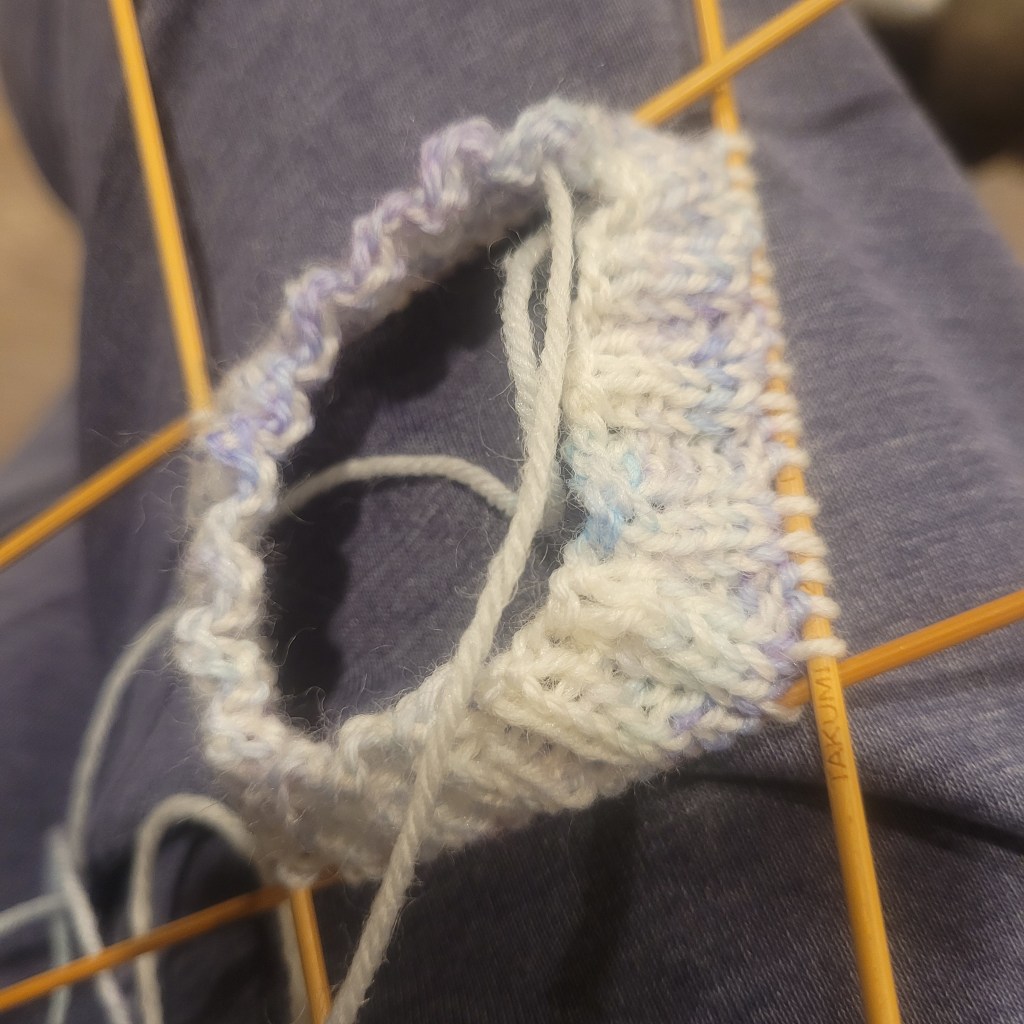
Can also look like this:
1. How does slow fashion support the environment?
Reduces textile waste
Favors natural, biodegradable fibers
Limits overproduction and shipping emissions
Encourages long-lasting, quality garments
2. How does slow fashion promote ethical labor?
Supports fair wages and safe working conditions
Highlights local artisans and small-scale makers
Values craftsmanship over mass production
Fosters transparency in the supply chain
3. What values do I want my clothes to show?
Simplicity and intentional living
Cultural preservation and creativity
Sustainability and mindful consumption
Emotional connection to what you wear
✨ Final Thought: Slow fashion is not just a trend—it’s a mindset. It invites us to make thoughtful choices that show care for people, the planet, and ourselves.
✨ Ready to rethink your wardrobe? Hit like, and subscribe, and share this post to spread the slow fashion movement. Tell us in the comments: What value matters most to you when choosing clothing?
I challenged myself to spend an entire week eating meals. These meals were made from ingredients sourced within a 100-mile radius of my home. The idea was simple but profound. I wanted to deepen my connection to the land. It was also about supporting local producers and exploring what it means to truly eat “close to home.”
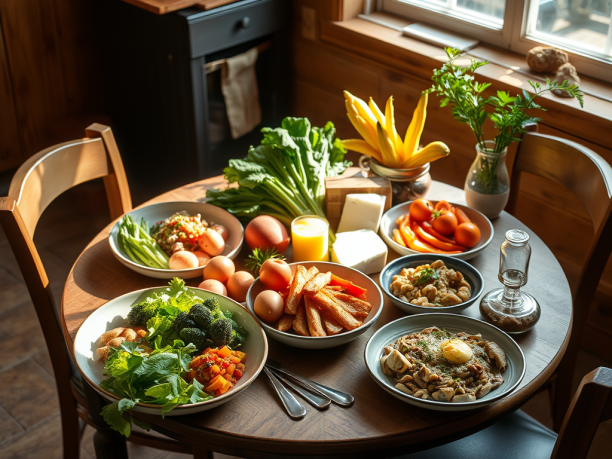
Here’s a glimpse into what I ate—and what I discovered along the way.
🍳 Day 1: A Breakfast Grounded in Home
Meal: Scrambled eggs with local cheddar, served on English muffins from Oakrun Farm Bakery (Brantford)
Local sources: Eggs from the farmers’ market, cheese from a regional dairy
Reflection: Starting the day with food grown and made nearby felt grounding. No fancy ingredients—just simple, satisfying nourishment.
🥣 Day 2: Soup for the Soul
Meal: Carrot, potato, and onion soup with homemade stock
Local sources: All vegetables from a local farm store; stock made from leftover bones from a locally raised chicken
Surprise: The flavour was richer than expected—fresh produce really does make a difference.
Reflection: I felt connected to the rhythm of seasons and soil.
🧀 Day 3: Plough-man’s Lunch
Meal: A rustic plate of local cheese, apples, sourdough bread, and pickled veggies
Local sources: Apple orchard just 15 minutes away; pickles canned last summer
Reflection: This felt like a picnic from another era—slow, thoughtful, rooted in tradition.
🥘 Day 4: Comfort in a Casserole
Meal: Ground beef and rice casserole with herbs from the garden
Local sources: Grass-fed beef from a farm visit last fall; rice sourced regionally
Reflection: Planning ahead (and freezing local meat) makes this lifestyle more doable than I thought.
🥕 Day 5: Veggie Skillet Supper
Meal: Cabbage, carrots, onion, and sausage all tossed together in a skillet
Local sources: Veg from the local stand; sausage from a family-run butcher
Surprise: How much I didn’t miss anything “exotic.” This was deeply satisfying.
Reflection: Eating locally doesn’t mean boring. It means seasonal, vibrant, and flavorful.
🥚 Day 6: Brunch for Dinner
Meal: Local eggs, fried potatoes, toast, and rhubarb preserves
Local sources: Everything within 50 miles—truly a feast from close to home
Reflection: There’s something joyful in keeping it simple and making it special.
🍎 Day 7: Sweet Ending
Meal: Baked apples with oats and a splash of cream
Local sources: Apples from the orchard, oats from a nearby mill, cream from a local dairy
Reflection: A week of eating local ended on a sweet note—and I wasn’t craving anything else.
💭 What I Learned
Planning is essential. Local eating takes more intention but less complication than you’d expect.
The taste is better. Fresher food, fewer miles, and a story behind every bite.
It’s about connection. To farmers, seasons, neighbours, and your own values.
This week reminded me that food isn’t just fuel—it’s a relationship. And when that relationship is rooted in care, proximity, and community, every meal becomes a moment of grace.
This Lent, I didn’t give something up. I picked something up—my needles and yarn. (scroll down for video)
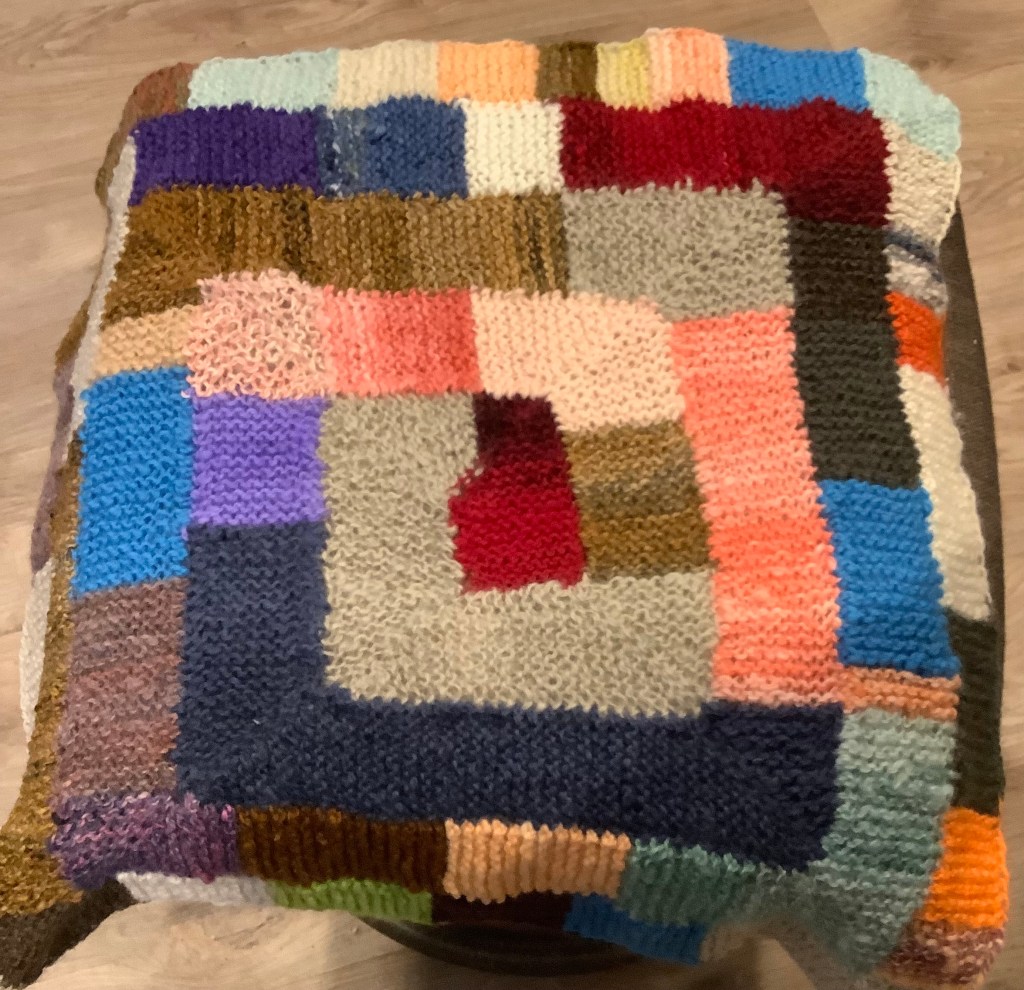
Every evening, I sat down with ten simple stitches and knit my way toward Easter. This year, I chose to create a Lenten blanket. It was a quiet project with no pressure. I worked on just small, modular squares of color and calm. What I didn’t expect was how this simple act would become my prayer.
Knitting as Devotion
The blanket wasn’t intricate. Each square was small—ten stitches across and ten back again. But that simplicity was the beauty of it. It allowed space. Space to listen, space to breathe, space to pray.
Each time I picked up my needles, it felt like I was entering into something sacred. My body slowed. My heart quieted. The rhythm of stitch after stitch became the rhythm of prayer—not always with words, but always with intention.
Prayer in Colour and Silence
Some evenings, I prayed for loved ones as I knit. Other times, I simply breathed deeply and let the yarn run through my fingers. The colours I chose came from bits of my handspun—nothing planned, only that each was different from the last. I wasn’t choosing a palette—I was choosing presence. Whatever felt right in the moment became part of the story.
There was no chart and no big goal. There was only the promise to knit one colour each day through the forty days of Lent. That small act became my grounding.
Grace in Every Stitch
It’s funny how something so ordinary can become sacred when you give it space.
There were moments of grace along the way. A square finished just before bed provided comfort. A color unexpectedly brought peace. One night, knitting was the only thing that kept the anxious thoughts at bay. I didn’t need to do anything heroic this Lent. I just needed to show up. Yarn in hand. Heart open.
From Good Friday to Resurrection Joy
As Holy Week approached, the blanket grew heavier in my lap. Each rectangle held the quiet prayers and honest questions I’d whispered throughout the season. And on Easter Sunday, when the final stitch was made, it felt like more than a finished project. It felt like resurrection.
Not because the blanket was perfect—it wasn’t. But because I was different. I had made space for stillness, for prayer, for grace.
An Invitation
If you’re longing for a gentler spiritual practice, I invite you to pick up something small and handmade. A needle, a spindle, a scrap of yarn. Let your hands lead the way. Don’t overthink it. Just start.
You find, like I did, that God meets you in the rhythm of your craft—one stitch at a time.
So often, we think of grace as something grand—a divine moment wrapped in light, a miracle, or a profound transformation. But what if grace is also hidden in the simple things? In the barely noticeable pauses. In the timing of a pot just before it boils dry. In the breath you didn’t know you needed until you took it.
Grace is when you expect disaster and instead find relief. You rush to the stove and catch the pot just in time. That tiny rescue, that breath of “thank goodness,” is grace. It’s not dramatic. But it’s real.
We don’t often recognize ordinary life as a place where grace lives. We overlook the everyday rhythms of making tea, folding laundry, walking to the mailbox. But maybe grace shows up right there—in the normal, the unnoticed.
Like when it rains on a day you’ve secretly been longing to slow down. That shower from the sky feels like permission to breathe. To rest. To stay home and not feel guilty about it. Is that not a grace?
Or when a loved one responds with gentleness instead of anger, with kindness instead of criticism—those are grace-filled moments too. Little glimpses of love where we braced for something less.
Grace can surprise us in worship too. When you say something simple and someone’s response is so heartfelt, so affirming, it stays with you. You didn’t expect it. You didn’t ask for it. But you feel lifted. That’s grace.
So grace isn’t always dramatic or dazzling. Maybe grace often looks like ordinary life simply unfolding. It can catch your heart off guard. It makes you whisper, “Thank you.”
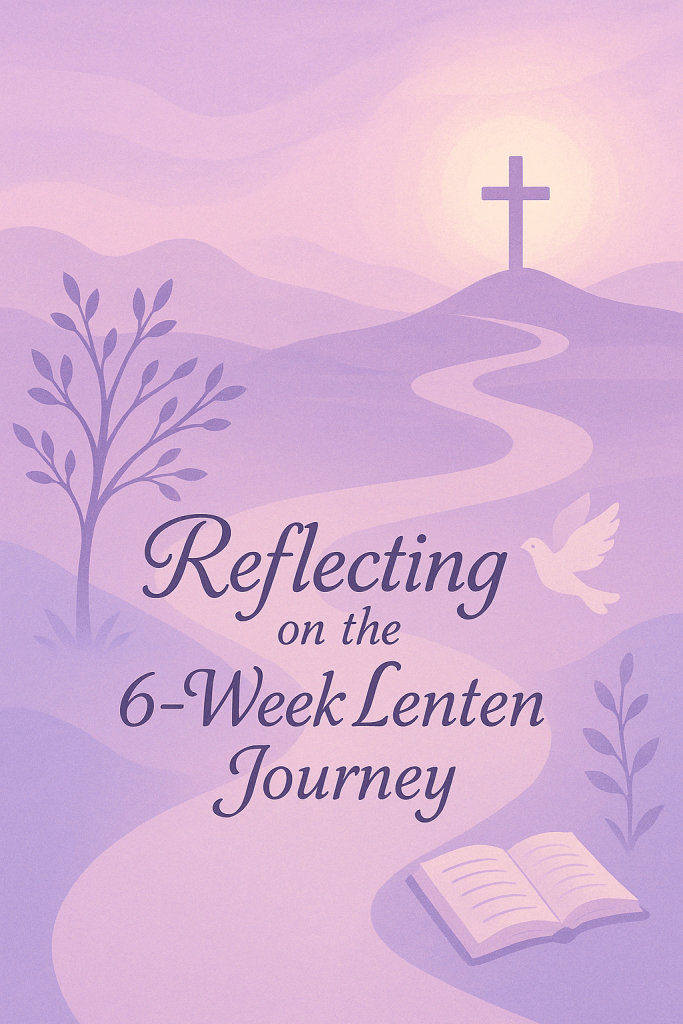
As I look back on the past six weeks, I’m filled with a sense of gratitude and spiritual growth. Lent is often seen as a season of sacrifice. In reality, it has been a time of deep reflection. It has also been a time of surrender and renewal. Throughout this journey, I’ve had the opportunity to embrace the disciplines of prayer. I’ve also embraced fasting and service. Throughout this time, I’ve been trusting more fully in God’s plan for my life.
Each week brought a new focus. There was a fresh theme to ponder. It offered a chance to dive deeper into the heart of what this season is all about. From the start, I understood it wasn’t just about giving something up. It was about creating space for God to move and transform my heart. The weeks unfolded with lessons on patience, trust, forgiveness, creativity, and ultimately, the powerful hope of resurrection.
In this post, I want to share a reflection on my Lenten journey. I will recount the themes that guided me each week. I will also share the ways in which they shaped my faith. Whether you joined me during this season or are discovering these insights now, I hope this retrospective offers a glimpse. It delves into the deep spiritual work. I want to convey the significant impact of this journey. It shows what God can do. This happens when we commit to a season of intentional devotion.
Week 1: Preparation and Reflection
Focus: Setting the tone for Lent with intention, sacrifice, and spiritual renewal.
Key Topics:
Introduction to Lent and its purpose.
Understanding fasting and prayer as tools for spiritual growth.
Cultivating gratitude and trust in God.
Reflection on setting a personal spiritual goal for the season.
Week 2: Trust and Sacrifice
Focus: Strengthening faith through trust in God’s provision and sacrifices.
Key Topics:
Learning to trust God’s timing and plan.
Exploring the deeper meaning of sacrifice in daily life.
Overcoming distractions and deepening prayer practices.
Serving others as an act of worship and showing humility.
Week 3: Patience and Endurance
Focus: Developing perseverance, patience, and endurance in faith.
Key Topics:
Embracing the daily disciplines of prayer, scripture, and quiet reflection.
Reflecting on repentance and turning back to God.
Practicing patience in life’s challenges and finding peace in waiting.
Generosity and releasing fear in relationships.
Week 4: Forgiveness and Renewal
Focus: Fostering forgiveness and embracing the renewal of spirit.
Key Topics:
Understanding the power of forgiveness and grace.
Renewing faith in times of struggle and difficulty.
Surrendering control and learning to trust fully in God’s will.
Letting go of burdens and embracing peace.
Week 5: Creativity and Surrender
Focus: Connecting faith with creativity and deepening trust through surrender.
Key Topics:
The connection between faith and creativity, finding God in your work.
Silence, solitude, and rest as spiritual practices.
Honoring commitments to God and others.
Surrendering control and trusting in God’s direction.
Week 6: Holy Week and Resurrection
Focus: Reflecting on the journey to the cross and the hope of resurrection.
Key Topics:
Preparing for Holy Week and reflecting on the humility of Christ.
The significance of Good Friday and the suffering of Christ.
The quietness of Holy Saturday and waiting in hope.
Celebrating the resurrection and new life that comes through Christ.
Closing Thoughts
As I think about these six weeks, I’m reminded of the power of intentional time with God. Lent has been a season of renewal, surrender, and transformation. Each week brought new insights that deepened my faith, and though the journey wasn’t always easy, it was always meaningful.
I encourage you to carry the lessons of this season onward—whether through prayer, service, or quiet reflection. The peace of Christ and the hope of the resurrection continue to guide you.
There’s a beautiful, intimate moment in the Gospel of John (20:11-18). As we celebrate the resurrection of Jesus, this moment invites us to think about the personal call of Jesus. It highlights the nourishment He offers us through His resurrection. This passage tells the story of Mary Magdalene’s meeting with the risen Christ. Through this powerful meeting, we see themes of grief, recognition, transformation, and spiritual nourishment. Let’s take a closer look at how this meeting can speak to our hearts today.
1. Grief and the Empty Tomb (John 20:11-13)
Mary Magdalene stands outside the empty tomb, weeping. She has just lost Jesus, and all she can think about is her grief. Her sorrow is so deep that she doesn’t instantly recognize that Jesus is standing right before her. She is blinded by her pain and incapable of seeing the hope that is right in front of her.
We can all relate to Mary’s sorrow. We’ve all experienced loss. It is the death of a loved one. It is the end of a season in life. Or it be the loss of hope. Grief can sometimes feel overwhelming, and it can be hard to see past our pain. Yet, the empty tomb reminds us that even in our darkest moments, God is at work. The resurrection is a powerful reminder that hope can emerge from despair.
2. Jesus Calls Mary by Name (John 20:14-16)
In the midst of her sorrow, Jesus calls Mary by name: “Mary.” The moment she hears her name spoken by Jesus, her grief turns to joy. She recognizes the risen Lord. Jesus’ call is personal. It’s not just a call to the masses; it’s a call to Mary—and it’s a call to each of us.
In our own lives, there are times when we feel lost, lonely, or distant from God. But just like Mary, Jesus calls us by name. He knows us intimately. In those moments when we’re struggling, He is right there, calling us into His presence. He invites us to leave our sorrow behind and find new life in Him.
3. The Bread of Life—Jesus Offers True Nourishment (John 20:17-18)
After Mary recognizes Jesus, her grief is transformed into joy, and she becomes the first messenger of the resurrection. Her meeting with the risen Christ completely changes her. Jesus, in this moment, offers her more than just a comforting word; He offers her the Bread of Life—Himself.
In John 6:35, Jesus says, “I am the bread of life. Whoever comes to me will never go hungry, and whoever believes in me will never be thirsty.” Jesus is the true nourishment for our souls. He doesn’t just feed us physically; He satisfies our deepest spiritual hunger. In Him, we find what our hearts have always longed for—peace, hope, love, and life eternal.
Mary’s meeting with Jesus reminds us of something important. When we come to Jesus, we are invited to feast on the Bread of Life. As we do, our grief is turned into joy, and our lives are transformed. Just as we eat to nourish our bodies, we must also come to Jesus to nourish our souls.
4. The Transformation of Mary (John 20:17-18)
Once Mary encounters the risen Christ, she is no longer the same person. Her sorrow has turned into a message of hope. Jesus tells her to go and share the good news with His disciples. She becomes the first to proclaim the resurrection.
Mary’s transformation shows us that when we meet the risen Jesus, we are not meant to keep it to ourselves. We are called to share the hope we have in Christ with others. We are invited to take the nourishment we’ve received from Him and offer it to a hungry world.
Conclusion
The resurrection of Jesus is not just a historical event—it is a living reality that continues to transform us today. Jesus calls each of us by name and invites us to feast on the Bread of Life. This meeting with Jesus brings us from sorrow to joy, from grief to hope. It transforms us, and like Mary, it sends us out to share the good news with others.
So, take a moment today to think about how Jesus is calling you by name. Are you ready to come to Him for nourishment? Are you ready to share the hope of the resurrection with those around you?
Closing Prayer:
Lord, thank You for calling us by name and offering Yourself as the Bread of Life. Help us to recognize Your presence in our lives, especially in our moments of sorrow. We feast on the nourishment You offer and be transformed by Your love. Empower us to share the good news of Your resurrection with others. In Jesus’ name, Amen.
Quiet Moments of Profound Impact Life often presents us with moments. These moments, though silent, speak volumes. They occur in times of brokenness, darkness, and seeming hopelessness.
Sustenance in Uncertainty In these challenging times, we find spiritual nourishment in the Bread of Life, symbolizing Christ’s enduring presence.
The Significance of Good Friday Today, we remember and mourn the crucifixion of Jesus. Yet, we hold onto hope, knowing that Sunday is coming.
A Day of Preparation Good Friday serves as a time to prepare our hearts and minds. It leads us into the solemn waiting of Saturday.
Seeking Christ in the In-Between As we navigate the space between sorrow and resurrection, we ask:
Where do we find our spiritual sustenance now?
How do we experience Christ’s presence in our current struggles?
Embracing the Bread of Life Jesus remains with us—in our grief, our doubts, and our waiting—offering love, holiness, and hope.
Reflective Practices During this period, consider:
Engaging in prayer and scripture reading
Spending time in nature to feel connected to creation
Observing fasting or other spiritual disciplines
Contemplating the symbolic meanings of bread and light
Anticipation of Renewal Today feels dark. We look ahead to the light of resurrection. This brings the promise of new beginnings.
This Good Friday, we find comfort in the enduring presence of Christ. He is the Bread of Life. Let us hold onto the hope that Sunday brings.
Holy Week is beautiful—but it can feel busy and heavy, too. I’ve caught myself rushing from one commitment to the next and forgetting to pause. This year I’m choosing something gentler: carving out a small pocket of quiet by the water.
My Simple Calm Plan
Pick the place. A quick drive to the harbor or down to Lake Erie—Port Dover or Port Maitland—anywhere the waves can steady my breathing.
Pack light. Finger‑food that fuels instead of fusses: a slice of cheese, a few crackers, fruit, and a thermos of hot tea.
Bring slow work. I’m on Day 19 of my 100‑Days Spindle Spinning challenge, so my spindle and two little nests of fibre are coming along for the ride.
Protect the time. I’ve blocked the outing in my calendar. No “I’ll go if I feel like it” wiggle room—just a gentle promise to myself.
Want to Pause with Me?
I’ve put together a one‑page reflection with breathing prompts, a short prayer, and journaling space. Print it, tuck it in your bag, and let it guide a few quiet minutes of rest.
🌿 A Gentle Pause: A Reflection for Holy Week 🌿 Take a moment to breathe, reflect, and rest in God’s presence.
“Come to me, all you who are weary and burdened, and I will give you rest.” — Matthew 11:28
Breathe
Find a quiet spot. Let your shoulders drop. Take three slow, deep breaths. Let each exhale release a little tension.
Reflect
Where do you feel tension or heaviness this week?
What helps you feel grounded and calm?
Where might God be inviting you to pause?
Create Space for Peace
If you can, plan a small outing:
A walk by water
A simple snack outdoors
Time with yarn, thread, pen, or prayer
Let it be quiet. Let it be slow. Let it be enough.
A Gentle Prayer
God of peace, In the middle of this sacred and full week, Help me find moments of calm. Remind me that I don’t need to rush through it all. Just be present. Just be with You. Amen.
As Palm Sunday arrives, we find ourselves at a turning point in the story of Jesus—a moment of celebration that leads directly to the cross. In Luke 19:28–40, Jesus enters Jerusalem on a colt, welcomed by crowds shouting praise, laying down cloaks, and waving branches. It looks like a victory parade, but beneath it lies something much deeper.
Jesus is not entering the city to claim a throne. He’s entering to give Himself away. He is becoming bread for the journey—for the disciples, for the people, and for us.
🎉 The Joy of the People: Nourishment Through Worship
As Jesus approaches, the people rejoice with loud voices. They’ve seen His miracles, heard His teachings, and sensed something holy in His presence. Their praise is passionate and heartfelt.
Yet we know how quickly the mood will shift. From “Hosanna” to “Crucify Him” in just a few days. Their joy is real—but fragile.
Still, this moment teaches us something essential: joy is food for the soul. Even if we’re walking through hard times, worship sustains us. Singing, praying, laying our hearts before the Lord—these are ways we take in spiritual nourishment.
Worship is bread for the journey.
🕊️ The Humility of Jesus: Gentle Strength
Jesus chooses a colt, not a warhorse. He doesn’t enter Jerusalem as a conqueror, but as a servant King. This is not how the world expects royalty to behave—but it is the way of Christ.
In our own journeys, we often hunger for peace, not power. Gentleness can be more nourishing than strength. In the quiet humility of Jesus, we find a model for how to live, how to love, and how to keep going.
Humility is bread for the journey.
🪨 Even the Stones Will Cry Out
When the Pharisees try to quiet the crowd, Jesus responds: “If they keep quiet, the stones will cry out.”
What a powerful truth. The praise of Jesus is so real, so essential, that even creation would rise up if people stayed silent. We were made to worship. And even when life feels heavy or quiet, praise keeps us connected to something bigger than ourselves.
Whether sung in full voice or whispered in prayer, our praise matters. It keeps our spirits fed.
Praise is bread for the journey.
🍞 Jesus Is the Bread
This triumphal entry leads to an upper room, where bread will be broken. Then to a cross, where His body becomes the broken bread for the world. Then to a tomb—and finally, to resurrection.
Jesus doesn’t just walk the journey—He becomes the nourishment for ours.
🌿 As Holy Week Begins…
What do you need for your own journey right now?
Maybe you’re weary. Maybe you’re grateful. Maybe you’ve been quietly carrying burdens no one else sees. Wherever you are, Jesus meets you—on a colt, in humility, with joy, with peace. He offers Himself again, not as a concept, but as living bread.
So come. Lay down your cloak. Lift up your voice. And let Him feed you.
Jesus is your bread for the journey.
Wishing you a blessed Holy Week. May your heart be fed and your spirit strengthened for the road ahead.
Link to full worship experience:
Linden Park United Church weekly announcements and information:
Linden Park Contact Information: 484 East 16th Street, Hamilton, ON L9A 4K8 For Pastoral Care please call (905) 252-1894 Rev. Barbara Creelman/OM Sunday at 10:30 A.M. Mailing/Cheque donation address:484 East 16th Street Hamilton, ON L9A 4K8 Office – 905-385-7891 Dial-A-Sermon number: 905-296-1014
LINDEN PARK FUNDSCRIP GIFT CARD FUNDRAISER – Please fill out an order form (on top of mail slots in the Narthex) along with a cheque made out to Linden Park United Church Due Sun. April 27th
PAPERLESS OPTION FOR ENVELOPES – If you wish to go paperless, Linden Park offers: 1)PAR (Pre-authorized Remittance). Please email or call Sheri for more information. 2) E-TRANFERS are also available and can be sent to Lpuc@rogers.com
THIS WEEK AT A GLANCE:
Today: Refreshments following worship
7:00pm Gemini AA
Monday 6:30 pm Beavers & Cubs
Tues. 4:00 pm T.O.P.S L/H 7:00 pm Police Choir Practice
Wed. 8:00 am TOPS – L/H 9:00 am Quilters 9:30 am Bible Study – Library 10:30 am Coffee Time
Friday 10:30 am Good Friday Worship Sat. 10:00 am The United Church of God – L/H
Our Lenten Project this year will be for SOCKS Canada. Your donations can be directed in two ways: i) the general fund – which supports the children, gardens and education; ii) Women 4 Women : W4W: This gift of $30.00 will provide one girl at Joyland Special Needs School with feminine hygiene products and underwear for a full year. Please pick up a sock for your donation. Feel free to make a cash donation. If writing a cheque, please make it out to: SOCKS Canada Relief Organization. You can also e-transfer your donation to kenyanhugs@gmail.com security question- name of charity / answer – socks.
May God’s blessings be returned to you as you bless others.