Doll Can Create

100 Mile Life/Grandma Core

Knitting a Log Cabin Blanket for Lent: A 40-Day Journey — March 4, 2025

Knitting a Log Cabin Blanket for Lent: A 40-Day Journey

The video explains all about it

Lent is a season of reflection, prayer, and preparation—a time to slow down and focus on what truly matters. This year, I’m incorporating that spirit into my knitting with a Lenten Log Cabin Blanket. Over 40 days, I’ll knit one section each day, allowing the project to grow as a visual and tangible reminder of this sacred season.

If you’re looking for a meaningful way to blend faith and fiber arts, I invite you to join me in this project!


What is a Log Cabin Blanket?

A log cabin blanket is a modular knitting technique that starts with a small center square, then builds outward by adding strips one by one. There’s no seaming—just picking up stitches and knitting in a continuous, meditative process.

It’s a perfect metaphor for Lent—layering our faith, growing in discipline, and building on a strong foundation. As each strip is added, we are reminded that faith is not built in a day but in steady, intentional steps.

The Lenten Knitting Plan: 40 Sections in 40 Days

This project is structured around daily knitting goals, making it both manageable and meaningful. Each day, I’ll add a new section to the blanket, sometimes incorporating special stitch patterns that reflect the themes of Lent.

Choosing Colors for Lent

Your color choices can add another layer of meaning:

  • Purple – The traditional color of Lent, representing repentance and reflection.
  • Earth Tones – Symbolizing simplicity and fasting.
  • A Gradient from Dark to Light – Moving from reflection to renewal as Easter approaches.

How to Get Started

Step 1: Knit the Center Square

We begin with a simple garter stitch square—the foundation of the blanket. This represents the foundation of faith and sets the stage for everything that follows.

Step 2: Adding Log Strips

Once the center square is finished, I’ll pick up stitches along one edge and knit a new strip. Each day, a new strip is added in a clockwise direction, causing the blanket to grow outward in a natural rhythm.

This daily practice of knitting a section becomes a spiritual discipline, just like prayer or fasting. It offers a chance to slow down, reflect, and be mindful.


Symbolism & Stitch Patterns for Lent

To make this project even more meaningful, I’m incorporating different stitch patterns that reflect the themes of Lent:

  • Garter stitch – Simplicity and steadfastness.
  • Moss stitch – Growth in faith.
  • Broken rib – The struggles and perseverance of the journey.
  • Cross motifs – A visible reminder of faith.
  • Lace and eyelets – Light breaking through, symbolizing renewal.

Each stitch carries significance, turning this blanket into a tapestry of devotion and reflection.


A Daily Practice for Lent

By the time Easter arrives, this blanket will be a physical representation of the season—each section carrying the prayers, thoughts, and reflections from the journey. Whether you knit in quiet prayer, meditate on scripture, or simply use this time to slow down, this project can be a deeply spiritual practice.


Join Me in This Lenten Knitting Journey!

Are you knitting a Lenten project this year? I’d love to hear about it! Let me know in the comments what colors you’re using, what reflections you’re bringing into your stitches, or if you have any special traditions that combine faith and fiber arts.

And if you want to see the progress of my Lenten Log Cabin Blanket, be sure to follow along on my [YouTube channel] (or insert social media links)!

Happy knitting, and may your Lenten journey be filled with peace and reflection.

Here’s your printable guide for the Lenten Log Cabin Blanket! (my gift to you)
The Light That Transforms: Reflections on Transfiguration — March 2, 2025

The Light That Transforms: Reflections on Transfiguration

Imagine walking with a friend—perhaps on a quiet path, sharing thoughts, when suddenly, they are transfigured before your very eyes. Their face shines like the sun, their garments glow with a brilliance beyond this world. How would you react? Would you be afraid? Amazed? Overwhelmed?

This is the scene that unfolds in the Transfiguration of Jesus—a moment when his divine nature is revealed to Peter, James, and John. In an instant, Jesus is radiant, and beside him stand Moses and Elijah, two towering figures of faith. The disciples, startled and unsure, react as we might: Peter impulsively suggests building tents to capture the moment, to give it form and structure. Yet, the voice of God intervenes: “This is my Son, my Chosen; listen to him!”

There are times in life when we, too, witness something extraordinary—moments that catch us off guard and fill us with wonder. The glow of a sunset over still waters, the breathtaking grandeur of an ancient cathedral, the profound peace in the laughter of a loved one. These moments remind us that the divine is not distant, but near.

But transfiguration isn’t only about grand, celestial encounters. It happens in the everyday. It happens when a new mother looks into the eyes of her child, when a person lost in despair finds hope, when someone chooses love over fear. Transformation is not just about the visible; it is about how we are changed from within.

Even the simplest things—our hands, our work, our presence—hold traces of the divine. Our hands, once seen as ordinary, become instruments of kindness, of healing, of prayer. Our daily lives, when seen through the lens of faith, become part of something greater.

So, the question remains: do we recognize the light of Christ in ourselves and in those around us? Do we, like Peter, rush to capture it, or do we allow it to change us? Do we listen when God says, “Pay attention. Listen to me.”

The challenge before us is not just to witness transfiguration, but to live it. To shine the love of God in a world that desperately needs light. To see the miracle of the ordinary, to listen deeply, and to respond with faith.

May we walk forward in that light, transformed by the One who calls us by name.

Pastor Barb

Wrapping Up the Month: Local Living, Crafting & More! — February 28, 2025

Wrapping Up the Month: Local Living, Crafting & More!

Reflecting on My Journey – February Highlights & What’s Next!

As February comes to a close and March begins, it’s a great time to reflect on the progress I’ve made in our commitment to a more sustainable and mindful lifestyle. This past month, I’ve explored ways to source local wool, deepen my spinning and knitting practices, and integrate intentional prayer into my daily crafts.

Highlights from This Month:
✔ Continued progress on the 100 Mile Life in 100 Days challenge – discovering amazing local products!
✔ Exploring the beauty of handcrafted wooden items and their place in sustainable living.
✔ Strengthening our connection between spinning, knitting, and personal reflection.
✔ Embracing frugal living by finding creative ways to reduce waste and make the most of what we have.

Looking ahead, March will bring new opportunities to refine my practices, connect with local artisans, and expand my creativity. Stay tuned for upcoming challenges, local finds, and inspiration for living intentionally.

What’s Next?
📌 More insights on sourcing sustainable fibers locally
📌 Exciting new spinning and dying projects
📌 Special reflections on mindfulness in crafting
📌 Practical tips on frugal living and making the most of every resource

I’d love to hear about your journey too! What were your biggest takeaways this month? Hit reply and share your thoughts.

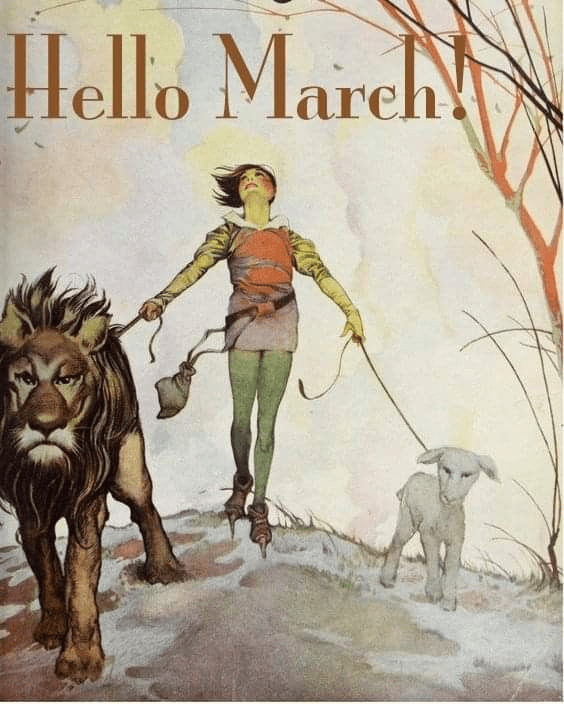
Here’s to another great month ahead! March will come; lion or lamb? I’m ready for whatever. Are you?

Blessings
Doll

*graphic found on Pintrest

100 Mile Life Check-in — February 27, 2025

100 Mile Life Check-in

Living the 100-Mile Life: One Month

Hi, friends! I’m here today with an update on my 100-Mile Life experiment. We’ve officially hit the one-month mark, and I wanted to share what’s been working, what hasn’t, and what’s ahead.

The Challenges & Surprises (or Lack Thereof)

There were certainly challenges, but no real surprises. Some of my favorite foods have been hard to replace. For instance, I’m still enjoying coffee we had in the house, but I plan to switch to a locally roasted option soon. Chocolate was another stumbling block. I thought I was being smart by picking up Ferrero Rocher, knowing there’s a factory just outside of Brantford. However, buying their imported product doesn’t quite fit the 100-mile criteria. I’m now looking into Cadbury chocolate made in Toronto, which is close enough at around 160 km.

Bananas and clementines are still making their way into my shopping cart. I want them, I need them, and I haven’t found a local alternative. The same goes for the G Zero beverage I enjoy—I haven’t done enough research to find a good local substitute yet. Suggestions are welcome!

What’s Working Well

Dairy has been an easy win—milk, butter, cheese, and ice cream are all produced within 100 miles. Bread has been a mix of homemade and store-bought. If I’m not baking, I’ve been able to find bread made in Hamilton. Flour is another area I’m researching; while large mills in Ontario supply much of the flour I find, I’m also exploring smaller, truly local sources.

Eggs, oatmeal, and other staples are readily available, making it relatively easy to stick to local food.

Clothing: Staying Local & Sustainable

I’m avoiding new clothing purchases except for essentials. I did buy one new clergy shirt since I didn’t have the skills to make one myself. Beyond that, I finished knitting a pair of warm socks—yay! But I had to part with an old pair that had been mended one too many times.

A fiber market in Hamilton is on my radar for March. I’ll be on the lookout for locally made spindles and handcrafted knitting needles. My spinning is going well—I’m currently chain-plying a BFL Merino blend from a local shepherd. What will I make with it? No idea yet, but spinning itself is a joy, so I’m rolling with it.

Unexpected Lessons

One of the biggest benefits of starting this challenge is how much more awareness there is about buying Canadian. Grocery retailers are labeling local products more clearly, and it’s making my research easier.

Shopping habits have also shifted. I’ve realized how easy it is to fall back into old patterns—just grabbing what’s convenient rather than making informed decisions. I want to be mindful of what enters my home, where it’s from, and why I’m buying it.

Moving Forward

One unexpected bonus? I’ve spent significantly less on gas this month. Less driving for groceries has cut down fuel use, and I plan to keep monitoring that. Walking more and combining errands into fewer trips will be priorities.

I also want to focus more on fiber projects—spinning, knitting, and sourcing local wool. That’s a big part of who I am, and it aligns perfectly with the 100-Mile Life.

What About You?

Have you ever thought about what a local life would look like for you? What would be the hardest thing to give up? For me, it’s coffee and chocolate, hands down. But I’m not giving them up!

Would your local life mean weekly shopping trips or just one big haul per month? Do you have easy access to delivery options that still support local businesses?

Leave a comment or reach out—I’d love to hear your thoughts!

I’ve got a month and a half left of this 100-day journey, and I’ll be sharing more updates, especially on my fiber projects. I’ll be sending out a newsletter update soon, so sign up if you’d like to receive those right away.

Thanks for being here with me on this journey. You are a blessing! Until next time, this is Doll from Doll Can Create. You can too.

God bless!

Monday Musings: Projects, Plans & a Little Windy Weather — February 24, 2025

Monday Musings: Projects, Plans & a Little Windy Weather

Happy Monday, Friends!

Hey there! It’s Doll from Doll Can Create, and I’m sitting here in front of my really bright window—so bright, in fact, that I’m turning myself around a little so you’re not completely blinded by the light. How are you? It’s the start of a new week, maybe even the start of something new in your life.

As for me? Nothing too new happening over here. I’m still working away at the things I’ve been working on, still planning what I’ve been planning. But I do have a few new things to add to my brain dump this week.

First up, I need to rejig the budget as we’re coming up to the end of the month. And then, on the content side of things, I have three videos planned:

1️⃣ An update on my 100 Mile Life challenge.
2️⃣ A rocking chair Knit & Chat wrap-up for the end of the month.
3️⃣ A video all about knitting socks—choosing my next yarn and picking a pattern. (Maybe you can help me out with that one!) I think that might be a great way to get everything set before March 1st rolls around on Saturday.

Weather-wise, it’s looking like a warmer day here, around 4 or 5°C, but the winds are already picking up. So, batten down the hatches, hold on to your hat—do whatever you need to do!

And as you go about your day, whether you’re keeping your hands busy with a project or just taking a moment to breathe, know that I’m right there with you. Take those deep breaths we all need now and then before diving into the work ahead.

I’m rooting for you! If you have any questions or just want to chat, drop them in the comments below.

Talk soon, and God bless.

Bye for now!

Spinning, Knitting & Cozy Chat | Fingerless Mitts, Socks & Spindles — February 22, 2025

Spinning, Knitting & Cozy Chat | Fingerless Mitts, Socks & Spindles

Hello, dear friends! 🌿✨ We’re on the mend over here, and I hope you’re staying well and healthy, too.

Today, I’m sharing my latest fibre adventures—fingerless mitts for Nick (with an unexpected spinning surprise!), a sock update, and some spindle experiments.

🧶 Projects Mentioned: Fingerless mitts with wheel-spun vs. spindle-spun yarn Vanilla Latte socks & thoughts on yarn choices Spinning with different spindles (Turkish, mini Ashford & more) My journey as a self-taught spinner since 2003

☕ Grab your favourite beverage, pick up your knitting, spinning, or crafting, and let’s spend some cozy time together.

Let me know in the comments—do you hand wash your socks or machine wash them? Do you block them? And what’s on your needles right now?

Until next time, may your day be filled with light and creativity.

🌞🧵 💛 Subscribe & Join the Journey!

Embracing the 100 Mile Life: A Journey to Living Locally — February 4, 2025

Embracing the 100 Mile Life: A Journey to Living Locally

Introduction and Welcome

Hello, friends! Have you ever paused to consider what a typical Tuesday afternoon might look like for me? Grab your favorite drink and join the conversation as we dive into life’s simple pleasures. I’m Doll, from Doll Can Create, inviting you to explore a day in my life.

Exploring the 100 Mile Life

Today, I’m excited to share insights about my 100 Mile Life journey. This adventure began with some self-imposed guidelines intended to encourage local living. While I strive to source within 100 miles—equivalent to 160 kilometers—not everything fits this boundary. Essentials like oranges, bananas, coffee, tea, and sometimes grapes remain exceptions due to practical reasons.

My 100 Mile radius encompasses significant parts of Lake Ontario and Lake Erie, which limits fresh produce, especially during winter. However, my reasons extend beyond mere locality; they’re about minimizing environmental impact by reducing global shipping dependencies.

Some may question the avoidance of big box stores, but in Southern Ontario, larger companies like Walmart and Amazon offer employment opportunities to many. While I do make use of these resources, I’m mindful about curbing my dependency for budgetary reasons.

For instance, recent purchases included grocery staples like cake mixes, graham crackers, and grapes—but there’s a conscious effort to make some of these from scratch. The yarn, however, remains non-negotiable for the foreseeable future; my current stash is more than sufficient.

Spinning and Fiber Projects

Currently, I’m working on various fiber projects. I have a spindle with German wool—a delightful gift part of an exchange event. A different roving, is 100 grams of beautifully hand-dyed wool excites my imagination, possibly inspiring a new pair of socks!

While I ponder different creative outcomes, my spinning continues. Often, I combine fibers for projects, such as socks, ensuring strength and durability in final products. Although not all yarns are local, they represent special gifts or accumulated resources ready to transform.

Supporting Local and Final Thoughts

The 100 Mile Life isn’t just a hobby; it’s an opportunity to forge meaningful local connections—working with shepherds, farmers, and craftspeople. Through this journey, I hope to compile a booklet for those intrigued by locavorism, offering practical steps to engage with their communities.

Central to my mission is supporting Canadian wool industries. Despite seeing vast shipments of Canadian wool abroad, I remain committed to utilizing local mills wherever feasible. Crafting personal items from Canadian wool furthers this goal, reducing unnecessary transport miles.

As I scale back on external purchases, festivals and sales become opportune spaces to engage with local artisans. Moving forward involves careful consideration of wants versus needs, especially when acquiring non-local items.

Recent reflections include shifting book purchases to a local bookstore instead of Amazon. This minor adjustment embodies the ethos of my initiative—supporting local economies and reducing carbon footprints.

Today, as I conclude my yarn spinning, the journey continues. Sharing moments like this with you reinforces the transformative power of mindful living. Until next time, remember: if I can create, so can you. Have a wonderful week, and let’s continue this exciting adventure. Bye for now, and take care! Doll

Living Local: My 100 Mile Life Challenge — January 23, 2025

Living Local: My 100 Mile Life Challenge

Living Local: My 100 Mile Life Challenge

(this is not a direct transcript)

Have you ever stopped to think about how far the things you use every day have traveled? From the food on your plate to the clothes in your closet, many of these items have journeyed thousands of miles before reaching you. What if we could change that? What if we could bring it all closer to home?

That’s the inspiration behind my latest adventure: the “100 Mile Life in 100 Days” challenge. Over the next three months, I’ll be focusing on sourcing everything—from food to household goods to wool—within 100 miles of where I live. It’s a journey that’s about much more than just shopping locally. It’s about connecting with my community, reducing my environmental footprint, and uncovering the incredible resources in my own backyard.

Why 100 Miles?

This challenge takes inspiration from the “100 Mile Diet,” a movement that encourages eating locally and sustainably. But I’m expanding the concept beyond just food. By incorporating wool and other locally made goods, I’m embracing the richness of what’s nearby while supporting sustainable practices. Wool is a big focus for me—it’s a chance to connect with local producers and celebrate the artistry of textiles created right here at home.

The Rules of the Challenge

There will be a few rules I’ll set out for myself. If you follow along your rules might be different.

  1. Stay Within the 100-Mile Radius: Everything I purchase must come from within this boundary.
  2. Allow Necessary Exceptions: Some items, like medicine, may not be available locally, but I’ll aim to minimize these exceptions.
  3. Focus on Learning: This isn’t about perfection. It’s about discovering new ways to live more sustainably and sharing what I learn along the way.

What to Expect

Over the next 100 days, I’ll be documenting this journey—the successes, the challenges, and everything in between. From finding local flour for baking to meeting incredible farmers, artisans, and wool producers, there will be no shortage of stories to share. Along the way, I’ll also offer tips and tricks for anyone who wants to try living more locally. Whether it’s sourcing one meal a week from local producers or supporting a nearby wool artisan, even small steps can make a big difference.

Why It Matters

Choosing to live within 100 miles is about more than convenience. It’s a way to:

  • Support Local Economies: Every purchase invests in the community and keeps resources circulating locally.
  • Reduce Environmental Impact: Local goods often require less transportation, cutting down on greenhouse gas emissions.
  • Rediscover Seasonal Living: Eating and living locally means aligning with the rhythm of the seasons, which can be both grounding and fulfilling.

Join Me on This Journey

I’d love for you to follow along or even join in your own way! Whether it’s by exploring local farmers’ markets, trying out regional recipes, or seeking out local wool for your next knitting project, there are countless ways to embrace the 100 Mile Life. Want local wool to spin or use in your crafting? I have a few options for you. Send me a message or check out my Patreon for more information.

Are you ready to explore the richness of what’s right around you? Let’s embark on this adventure together and see how local we can go. Here’s to discovering the beauty of living closer to home!

Enjoy!

Fresh Sprouts and Saving Big: A Day in the Kitchen with Doll — January 21, 2025

Fresh Sprouts and Saving Big: A Day in the Kitchen with Doll

Hi friends! Doll here from Doll Can Create, and today I’m hanging out in the kitchen—one of my favorite creative spaces. 🌱✨

Let me show you what I’ve got going on! These little greens you see here? They’re pea shoots I ordered from my favorite produce supplier. I snipped a handful to make a quick salad for myself, and of course, I shared some with the bunny. (He loves them as much as I do!)

But wait—there’s more! I’m gearing up for some serious sprouting action. Let me give you a little tour of my setup.


The Big Sprouter

Over here, I’ve got my trusty big sprouter. Right now, it’s soaking green peas. These are the kind you sprout, not the dried ones for cooking. Tomorrow, I’ll rinse them and transfer them to the top layer of the sprouter. This thing has been with me forever, and it still works like a charm.


The Sprouting Towers

On the other side of the room, I have my sprouting towers. These are so fun to use!

  • Tower One: It’s a mix of sprouts—daikon radish and mung beans. I even found a couple of rogue sunflower seeds in there (a surprise gift from the sprouting mix, perhaps?).
  • How It Works: You water the top, and it flows down to the bottom, nourishing all the layers. By the weekend, I’ll have a delicious variety of sprouts ready to enjoy.

Why Sprout?

Fresh sprouts are so versatile. You can toss them in salads, soups, or stir-fries—or just snack on them straight out of the sprouter. They’re crunchy, nutritious, and incredibly satisfying. Plus, they’re a fantastic way to save on grocery bills. Doing your own sprouting means fresher, tastier greens at a fraction of the cost.


Do you sprout? If you do, let me know in the comments! I’d love to hear what you’re growing and how you enjoy them.

Until next time, friends—this is Doll from Doll Can Create. Remember, if I can do it, you can too!

Bye for now! 💚

Carding wool on Distaff Day — January 11, 2025

Carding wool on Distaff Day

Celebrating Distaff Day: My Journey with Last Year’s Fluff

Hi friends! Welcome to my Distaff Day adventure. I wanted to bring you along for the ride as I dive into the process of carding last year’s leftover bits and pieces of fluff. So, grab your tea, get cozy, and let me share the journey with you!

A Humble Start in the Furnace Room

As unglamorous as it may sound, my journey began in the furnace room—a utility space that doubles as my fibre crafting haven. Yes, the furnace was humming away, adding a cozy soundtrack to my work. My carder is tucked away in this little corner, and I had it loaded and ready to go.

Exploring the Blends

On the carder, I had a delightful mix of fibres—each one bringing its own story and texture to the blend. There was some sari silk, bright and colourful merino, and a BFL-merino blend in classic white. Slowly, I worked through the carding process, watching the fibres come together to form a beautiful bat.

Here’s a peek at the final result: a light, fluffy creation weighing in at 23 grams. It’s a small but meaningful bounty crafted from last year’s leftover fluff.

What’s Next?

Now that I have this lovely batt, I’m pondering the possibilities. It’s vibrant and textured, but I’m not quite sure what it wants to become. If you have any ideas for how I could use this little treasure, I’d love to hear them!

Beside me, there’s still a bag of BFL waiting to be carded—another project for another day.

Reflecting on Distaff Day

Distaff Day is always a special time for me. It’s a chance to pause, reflect, and create something meaningful as we transition into the season of Epiphany. The days are growing longer, and the light is slowly returning—a perfect reminder of renewal and inspiration.

Until Next Time…

Thank you for joining me on this little adventure. If you enjoyed this post, I’d love it if you’d share it with a friend or leave a comment with your thoughts and ideas. Remember, creativity is for everyone.

This is Doll from Doll Can Create, reminding you that if I can create, so can you. Wishing you light, joy, and endless inspiration.

Until next time, happy crafting!