Doll Can Create

100 Mile Life/Grandma Core

February’s Gentle Turning — February 28, 2026

February’s Gentle Turning

DollCanCreate Newsletter – End of Month Reflection

Hello dear friends,

February is always a curious month. It feels small on the calendar… but somehow full in the heart.

The days are lengthening — just a little. The light lingers in the late afternoon. The snow (if you’re in my neck of the woods) softens at the edges. And I find myself in that in-between place — not quite winter’s rest anymore, not yet spring’s energy.

And in that space, I’ve been knitting. Spinning. Praying. Re-centering.


🧶 On Socks, Fibre, and Small Faithfulness
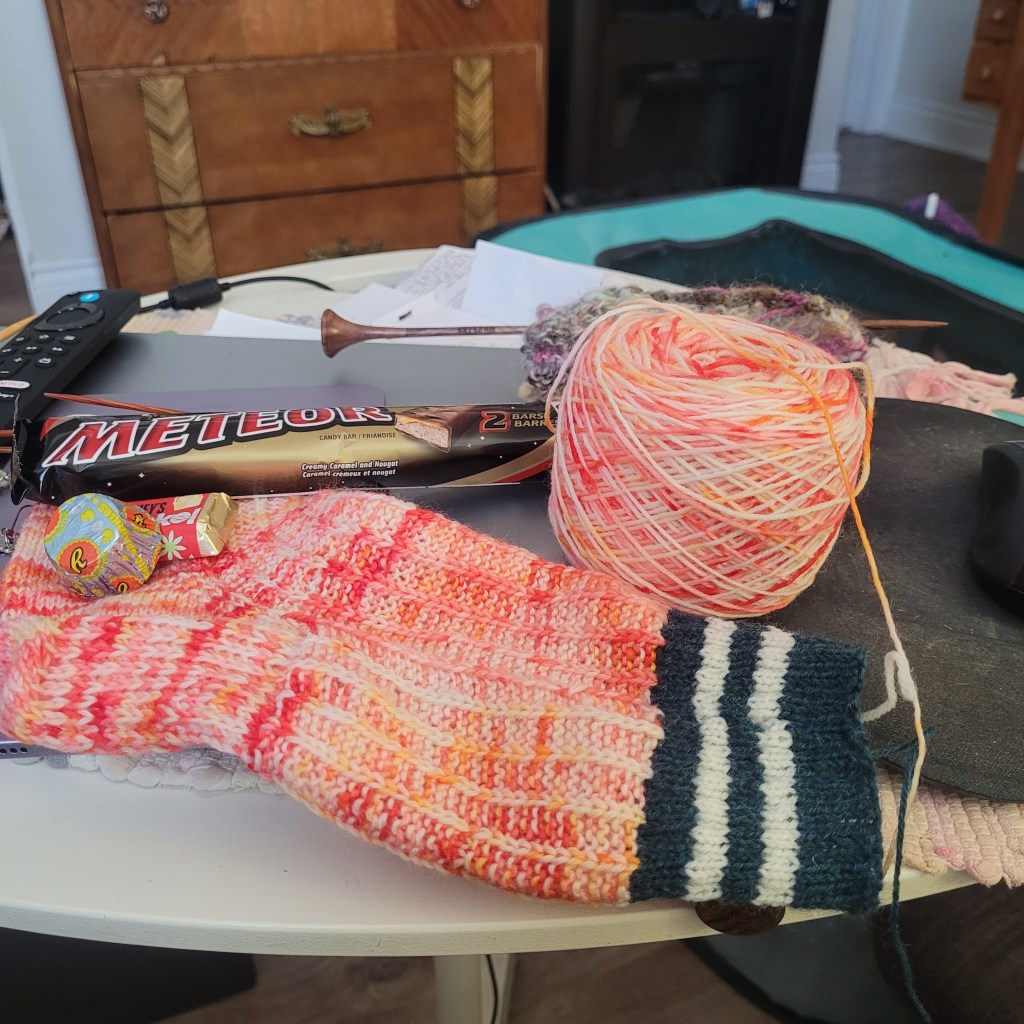
This month I’ve been leaning deeply into local fibres again — asking the question:

Can I truly knit my socks from wool spun and dyed close to home?

There’s something sacred about it. The sheep, the farm, the fleece, the spindle, the skein… and finally the sock warming my feet. A full circle of care.

Why socks? Because they are practical. Because they are humble. Because they carry us through our days.

And maybe that’s faith too.

Not flashy. Not loud. But faithful and steady — one stitch at a time.


🌾 The 100-Mile Life in Winter

February living close to home has meant:

  • Using what’s in the freezer.
  • Stretching leftovers creatively.
  • Baking bread again (the smell alone feels like comfort).
  • Chicken thighs in the cast iron.
  • Simple soups.
  • Tea in the afternoon light.

The 100-Mile Life feels different in winter. Less abundant on the surface. More rooted underneath.

There is beauty in “enough.”


✨ Lent has Begun

We’ve stepped into Lent.

This year’s theme continues to echo in my spirit:

Amazing Grace.

Grace that finds us.
Grace that steadies us.
Grace that carries us when joy feels thin.

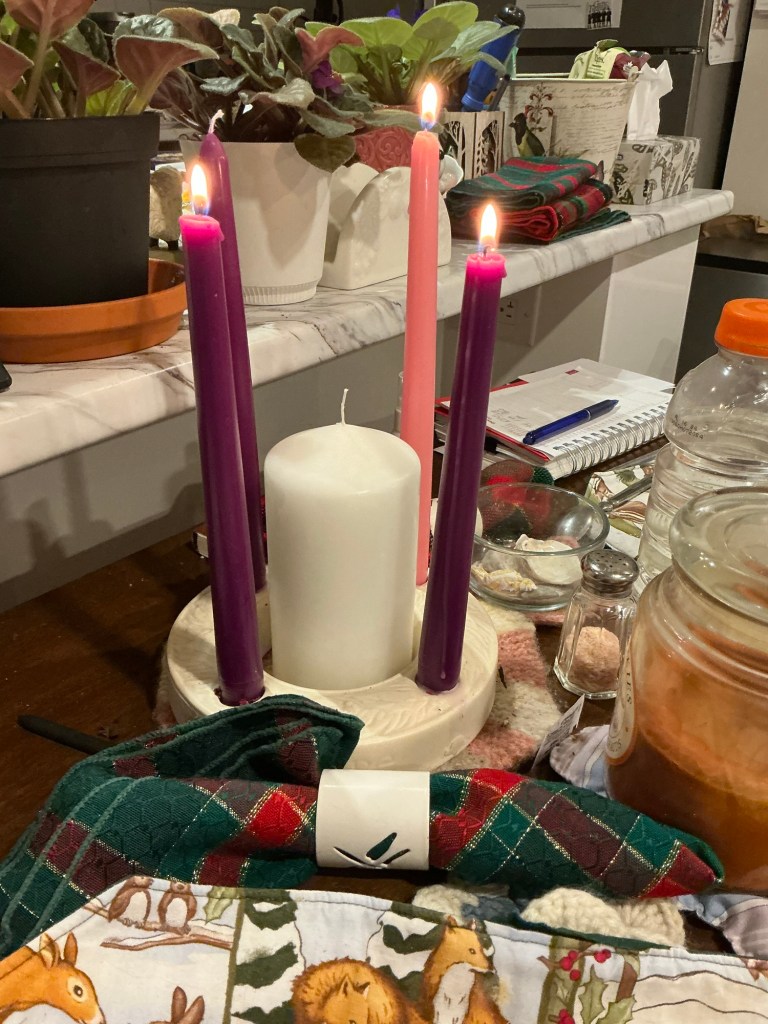
February has been a reminder that grace is often quiet. It shows up in routine. In lighting the candle even when you’re tired. In spinning even when the mind feels noisy.

In choosing to begin again.


🕊 A Gentle Reset

If February has felt heavy for you — you’re not alone.

This is your reminder:

You don’t need a dramatic overhaul.
You don’t need a brand new system.
You don’t need to “catch up.”

You can simply:

  • Drink a glass of water.
  • Open a window.
  • Pick up a small project.
  • Say a short prayer.
  • Fold one basket of laundry.
  • Take one gentle walk.

Faithfulness lives in small things.


🌷 Looking Ahead to March

In March you’ll see:

  • More sock knitting (pink skeins are calling).
  • Local fibre experiments.
  • Bread baking rhythms returning.
  • Lenten reflections rooted in grace.
  • Simple ministry meals for busy days.
  • Gentle Sabbath practices.

And always… wool, warmth, and gratitude.


💌 A Question for You

As we turn the page on February:

What small act of faithfulness is carrying you right now?

Is it cooking? Knitting? Journaling? Showing up to church? Resting more? Drinking more water?

Tell me. I love hearing how you are living gently and intentionally.


🌸 Grannie Doll Blessing

May the light grow just enough
to help you see the next stitch.
May grace be closer than you think.
May your kettle be warm,
your wool untangled,
and your heart steadied
for whatever March brings.

With love from my little corner of the fibre world,
Doll 🤍

100-Mile Life Supper — February 16, 2026

100-Mile Life Supper

Rustic Mushroom & Herb Chicken Thighs

Cook once. Eat twice. Nourish deeply.

There is a quiet satisfaction in preparing a meal from what is close at hand.

Chicken from a nearby farm. Mushrooms from the market. Potatoes stored from the fall harvest. Herbs from the cupboard. Nothing travelled far. Nothing extravagant. Everything sufficient.

This is the heart of the 100-Mile Life — choosing food that is near, seasonal, and grounding.

Tonight’s supper is rustic mushroom chicken: tender thighs simmered slowly with onion, garlic, herbs, and mushrooms into a savory gravy meant to be spooned generously over rice or potatoes. It is comfort food rooted in place and prepared with intention.

And tomorrow, it feeds us again.


Why This Meal Fits the 100-Mile Life

✔ Uses locally raised poultry
✔ Highlights storage vegetables & seasonal produce
✔ Requires simple pantry staples
✔ Stretches into multiple meals
✔ Reduces waste and extra shopping trips

This is sustainability lived quietly in the kitchen.


Ingredients

  • 6 bone-in chicken thighs
  • 1 tablespoon butter or oil
  • 1 small onion, sliced
  • 2 cloves garlic, minced
  • 2 cups fresh mushrooms, sliced
  • 1 teaspoon poultry seasoning or dried local herbs
  • Salt & pepper
  • 1 can cream of mushroom or chicken soup (or homemade white sauce)
  • ½ cup water or broth

Method

  1. Brown chicken thighs in a heavy skillet until golden. Remove and set aside.
  2. Sauté onion until soft. Add garlic and mushrooms; cook until tender.
  3. Stir in seasoning, salt, and pepper.
  4. Add soup and water to create a rich gravy.
  5. Return chicken to pan. Cover and simmer 30–40 minutes.

The slow simmer deepens flavor and softens the day.


Serve With

• Rice or potatoes
• Roasted root vegetables
• A simple green salad


Stretching the Meal

Tomorrow’s options:

✓ Open-faced hot chicken sandwiches
✓ Baked potato topping
✓ Wrap or hand pie filling
✓ Added to soup for a quick second supper

Cooking once and eating twice is one of the quiet skills of frugal, intentional living.


Local Living Tip

If you can source local chicken, mushrooms, or root vegetables, this meal becomes a true reflection of place. When that isn’t possible, choose the closest option available and cook with gratitude.

The 100-Mile Life is not perfection.
It is awareness.
It is intention.
It is enough.


From My Kitchen Tonight

The scent of mushrooms and herbs fills the house as dusk settles. A pot simmers gently. The day slows. There is comfort in knowing supper is ready and tomorrow is cared for.

This is the rhythm I am learning — to live close to home, close to the land, and close to grace.

And that is a beautiful way to end the day.

Old-Fashioned Oven Baked Beans (From Dry) — February 2, 2026

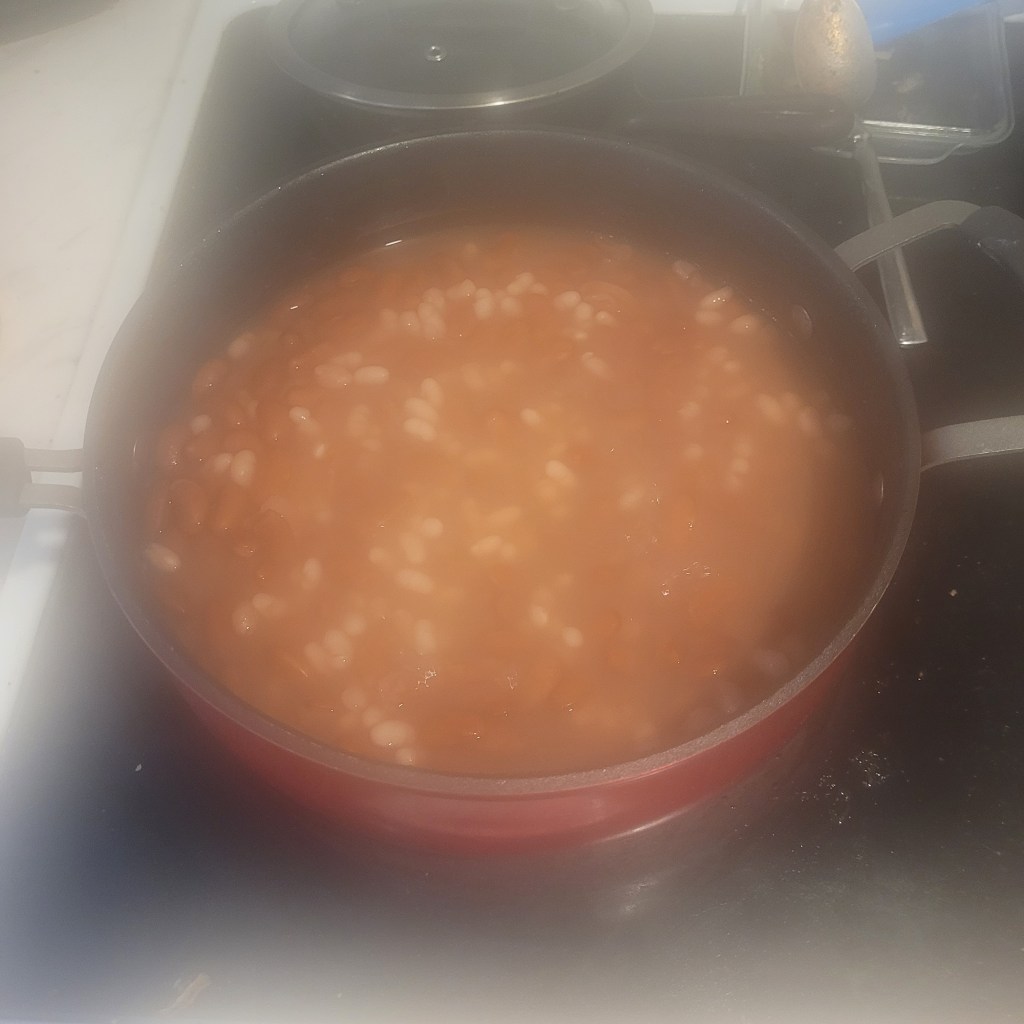
Old-Fashioned Oven Baked Beans (From Dry)

There are some meals that carry more than nourishment. For me, baked beans are one of them.
I grew up eating baked beans every Saturday night for supper. They would go into the oven earlier in the day. They cooked slow and steady. This filled the house with that deep, sweet smell. It told you all was well. There were always leftovers. They were warmed again on Sunday after church. Sometimes they were saved for Monday night when everyone was a little tired and grateful for something already made.

Even now, when a pot of beans is baking, the smell takes me right back. It smells like home.

Parboiling = steam!


Ingredients

  • 2 cups dry navy beans (or pea beans)
  • Water (for soaking + cooking)
  • 1 medium onion, diced
  • ½ cup molasses
  • ¼ cup brown sugar (optional, to taste)
  • 1 tsp dry mustard
  • ½ tsp black pepper
  • 1 tsp salt (added near the end)
  • 1–2 tbsp apple cider vinegar (optional, for balance)
  • 1–2 tbsp ketchup or tomato paste (optional)
  • Optional:
    • 2–3 oz salt pork or bacon
    • A splash of maple syrup in place of some sugar

Step 1: Soak the Beans (The Day Before)

Rinse the beans and remove any debris. Place them in a large bowl and cover with at least three inches of water. Let them soak overnight, 8–12 hours.

This is the first slow step — the kind of waiting that used to be part of everyday cooking.


Step 2: Parboil

Drain the soaking water. Place the beans in a pot with fresh water and bring to a gentle boil. Reduce heat and simmer for 30–40 minutes, until the beans are tender but not splitting. Drain, reserving 1–2 cups of the cooking liquid.


Step 3: Build the Beans

Preheat oven to 300°F (150°C).
In a Dutch oven or bean pot, combine the beans, onion, molasses, brown sugar, dry mustard, and pepper. Add enough reserved bean liquid to just barely cover the beans. Nestle the bacon or salt pork on top if using.

Leave the salt out for now — patience matters here.


Step 4: Slow Bake

Cover and bake for 3–4 hours, checking every hour. Add hot water if needed to keep the beans from drying out. During the last 30–45 minutes, uncover the pot so the sauce can thicken.

Stir in the salt and vinegar near the end, tasting and adjusting gently.

The beans should be soft. They must be richly coloured and thick. They should be the kind that perfume the whole house. This makes waiting worthwhile.


For the Week Ahead

These beans keep beautifully:

  • 5–6 days in the fridge
  • Freeze well in meal-sized portions

Serve them on toast. Pair them alongside eggs. Enjoy them with pork chops or chicken. You can also warm them again on a quiet night when cooking feels like too much.

Some foods are meant to stretch across days — and across generations.

Some recipes don’t belong to a single day.
They linger in the oven, in the fridge, and in our memories.
They provide comfort when we’re tired. They welcome us home after church. They remind us that being cared for doesn’t have to be fancy — just faithful and warm.

May this pot of beans fill your kitchen with comfort.
Let it fill your table with enough.
May it bring your week the quiet grace of food already made.

With love, from Grannie Doll’s kitchen.

If this recipe stirred a memory for you, I’d love for you to share it. Was it of Saturdays, Sundays, or suppers that smelled like home?
Leave a comment. Pass the recipe along. Better yet, put a pot in the oven and let it do its slow, steady work.

This is how we keep the old ways alive — one meal, one memory, one warm kitchen at a time.


Sunday Worship: Filling an empty vessel — January 25, 2026

Sunday Worship: Filling an empty vessel

Filling the Empty Jars

John 2:1–11

There is something quietly honest about an empty jar.

It doesn’t shout.
It doesn’t accuse.
It simply waits—holding the truth of what is missing.

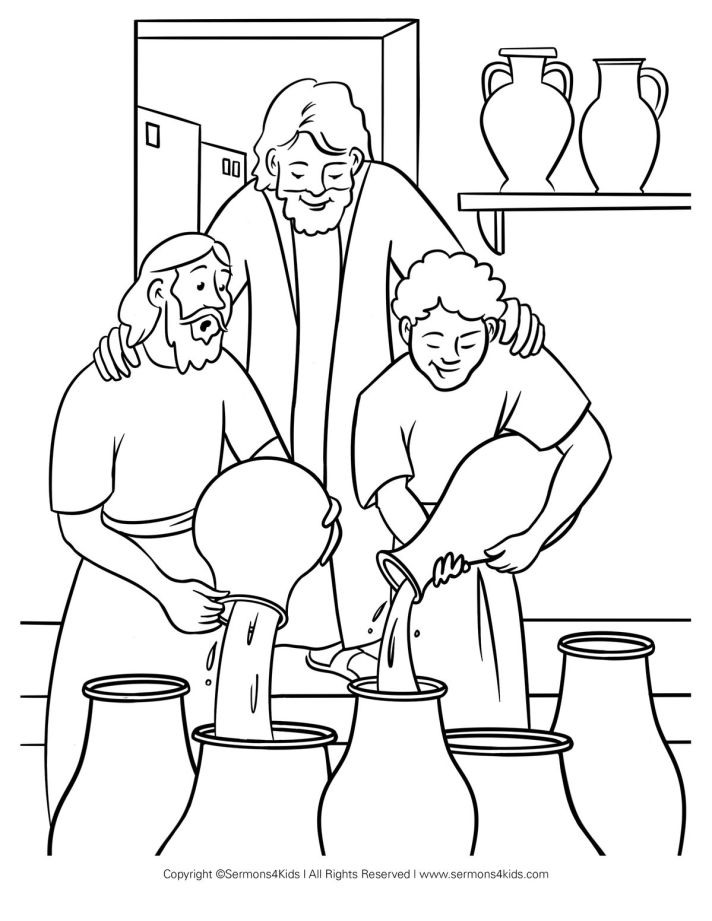
In the Gospel story of the wedding at Cana, the jars are empty. The celebration is still going, the guests are gathered, laughter and conversation fill the room—but something essential has run out. The wine is gone.

We know this moment well.

There are times in life when everything looks fine on the outside, yet inside we sense a quiet emptiness. Energy fades. Joy thins. Hope feels harder to reach. These moments don’t always arrive with drama. Often, they come quietly, almost unnoticed—until suddenly we realize that what once sustained us is no longer there.

This is where the story begins.

Mary notices the emptiness. She doesn’t deny it or rush to fix it herself. She names it and brings it to Jesus: “They have no wine.” It’s a simple sentence, but it carries deep truth. Naming what is empty is an act of trust.

Mary does not tell Jesus what to do. She simply turns to the servants and says, “Do whatever he tells you.”

And Jesus looks at the jars.

Not new jars.
Not special jars.
But heavy, stone jars—ordinary vessels used for washing, sitting empty where they are.

Jesus does not discard them.
He does not shame them for being empty.
He does not say, “You should have planned better.”

Instead, he asks that they be filled—with water.

That detail matters.

Jesus works with what is already present. He does not wait for something extraordinary. He takes the ordinary, the available, the offered—and grace happens somewhere between the filling and the pouring.

The water becomes wine. And not just any wine, but good wine. Abundant wine. More than enough.

Six jars. Each holding twenty or thirty gallons.

This is not barely-enough grace.
This is overflowing grace.

And almost no one notices.

The guests drink. The steward is confused. The celebration continues. Only the servants—the ones who carried the water—know what really happened.

Isn’t that often how God works?

Quietly. Gently. Without fanfare. Transformation happens while we are doing the faithful, ordinary work of showing up. Of filling jars we’re not sure will ever hold anything more than water.

This story tells us something essential about Jesus.

His first sign is not about power or spectacle. It is about care.

He begins his ministry not in a holy place, but at a wedding. Not with a sermon, but with an act of kindness. He honors joy. He saves a celebration. He refuses to let embarrassment or scarcity have the final word.

And perhaps most importantly, this story reminds us that emptiness is not the end.

Empty jars are not failures.
They are invitations.

Invitations to trust.
Invitations to bring what we have, not what we wish we had.
Invitations to believe that God can still work in our ordinary lives.

There are seasons when we feel like those jars.

Jars once filled with energy, now holding weariness.
Jars once filled with certainty, now holding questions.
Jars once filled with joy, now holding grief.

The good news is this: Jesus does not turn away from empty jars.

He asks only that we place them before him.

Fill them with what you have.
Offer what feels ordinary.
Trust that grace can still surprise you.

Because in God’s economy, the best wine often comes later.

God is not finished yet.

Still Waters in a Snowstorm — January 15, 2026

Still Waters in a Snowstorm

Finding Calm Through Spinning, Soup, and Slow Living

Have you ever felt like you were rushing through everything — trying to get it all done — and then feeling that quiet guilt creep in?

I should have done more.
I wish I had slowed down.
I meant to take better care…

You can fill in the blanks.

Today feels like a good moment for a gentle check-in.

Here on Hamilton Mountain, we’re having one of those rare, holy kinds of days — a snow day, a pajama day, a let’s-just-breathe day. The kind of day when the world outside hushes itself for a while, and the inside of your home becomes its own small sanctuary.

So I pulled my rocking chair close.
I picked up my spindle.
And I listened to what my soul needed.


1. Finding Peace with Busy Hands

When the world feels loud and heavy, my hands remember what to do.

I spin.
I knit.
I create.

Not because something has to be finished — but because something inside me needs to be steadied.

There is something deeply grounding about working with fiber. It connects me not only to other makers around the world. It also connects me to the generations before me. These were people whose hands once spun wool by candlelight. Their meals simmered on wood stoves. Their days moved at the pace of daylight and seasons.

Today I’m spinning from my Distaff Day bat — a special blend I build year after year. I save little bits of fiber from past projects in a jar. Once a year, I card them together to make something new. From that batt have come socks (some that shrank terribly!), mittens, and now a new pair of mitts currently on my needles.

Sometimes I set intentions for yarn.
Sometimes I simply choose a color that feels like joy in my hands.

Both are holy work.


2. What’s on Granny Doll’s Stove

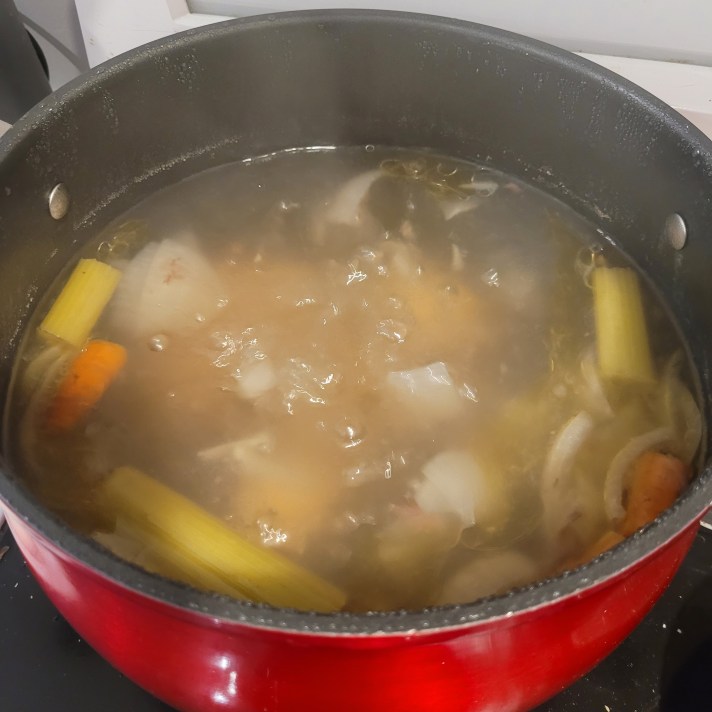
A big pot is bubbling quietly in the kitchen. It holds a bone broth made from beef bones, onion, carrot, celery, and a splash of vinegar. It will nourish my body with warm sips today and become soup tomorrow.

I’m thinking beef barley.

Yesterday I also roasted a local chicken, so tonight’s supper will be simple and honest: leftover chicken, rice, and vegetables. When we make things good, they are good.

This is Granny-core living.
This is larder living.
This is nourishment that blesses both body and soul.


3. A New Gentle Health Journey

Some of you know that I live with type 2 diabetes. Over the past year and a half, I have been learning to care for my body. I am doing this while using a GLP-1 medication. I have been learning its rhythms, its limits, and its blessings.

I’ve recently begun creating a 14-day gentle meal plan — not a “diet,” but a sustainable, simple, grandmother-style way of eating:

  • Using what we already have
  • Honoring leftovers
  • Eating mostly at home
  • Avoiding waste
  • Choosing foods that truly nourish

I’m turning it into a small booklet. It includes daily scripture, prayer, and reflection. You can adapt it, reflect on it, and make it your own.

If that sounds like something you’d love, let me know. I’d be happy to share it when it’s ready.


Still Waters

Today, Psalm 23 whispered to me:

He leads me beside still waters.

Outside, everything is frozen — snow piled high, roads quiet, the world resting under a white quilt.

Inside, my still waters look like:

  • A rocking chair
  • A spindle turning slowly
  • Soup on the stove
  • A meal plan that supports my health
  • And the deep knowing that I am cared for

Still waters aren’t always rivers and streams.

Sometimes they are quiet kitchens.
Sometimes they are wool in your hands.
Sometimes they are choosing to care for your body gently and faithfully.


So for today, dear friends…

May every stitch you make,
Every inch of yarn you spin,
Every meal you prepare,
Every quiet moment you take —
Be a blessing to your body, your spirit, and those you love.

You are always welcome in my cozy corner.

Until next time,
Grannie Doll 💗

Sausage Biscuits & Gravy — The 100-Mile Life Way — January 4, 2026

Sausage Biscuits & Gravy — The 100-Mile Life Way

Living the 100-Mile Life doesn’t mean giving up comfort food.

It means learning how to make it closer to home, simpler, and more intentional.

This familiar supper—sausage biscuits and gravy—slips beautifully into local living with just a few mindful choices.

What “100-Mile” Looks Like in This Meal

Sausage

Use locally made pork sausage from a nearby butcher or farm Leftovers are a gift — this meal shines because it started with leftovers

Onion

Red onion from a local farm stand, CSA, or fall storage bin Even a yellow cooking onion works — use what keeps well in your pantry

Seasoning

Poultry seasoning made from common herbs (sage, thyme, marjoram) If you grow herbs or buy dried ones locally, this is a perfect blend

Biscuits

Homemade biscuits using: Local flour (many Ontario mills are within 100 miles) Butter from a nearby dairy Milk or buttermilk sourced close to home Biscuit mix can still fit the spirit of the challenge if the base ingredients are regional

Gravy

Butter + flour + milk + salt & pepper All simple pantry staples, often available from local producers

Why This Meal Fits the 100-Mile Life

✔ Uses leftovers ✔ Relies on pantry basics ✔ Honors local farmers, mills, and dairies ✔ Feels abundant without excess

This is the kind of meal that reminds us:

local living isn’t about perfection — it’s about relationship.

A Gentle 100-Mile Reflection

Eating close to home teaches us to pay attention.

To seasons.

To what’s already here.

To the quiet satisfaction of feeding ourselves well.

This supper didn’t travel far.

It didn’t need to.

It arrived warm, steady, and just right.

Pull up a chair.

This is what the 100-Mile Life tastes like.

— Grannie Doll 🧶💛

Creamy Turkey & Biscuit Skillet — December 30, 2025

Creamy Turkey & Biscuit Skillet

This is a one-pan supper. It uses what you already have. It fills the house with that “someone’s taking care of me” smell.

Ingredients

  • 2–3 cups cooked turkey, chopped
  • 2 tbsp butter
  • 1 small onion, diced
  • 2 carrots, sliced thin
  • 2 celery stalks, sliced
  • 2 cloves garlic, minced
  • 2 tbsp flour
  • 1½ cups chicken or turkey broth
  • ½ cup milk or cream
  • ½ tsp dried thyme
  • Salt & pepper to taste
  • 1 cup frozen peas (optional but lovely)
  • 1 can refrigerated biscuits, quartered (I used home made biscuits)

Directions

  1. Start the cozy base
    Melt butter in a deep skillet. Sauté onion, carrots, and celery until soft and fragrant. Add garlic and cook 30 seconds more.
  2. Make the gravy
    Sprinkle flour over veggies and stir 1 minute. Slowly pour in broth, stirring constantly. Add milk/cream, thyme, salt, and pepper. Let simmer until thick and creamy.
  3. Add the turkey
    Stir in chopped turkey and peas. Let it bubble gently for 3–4 minutes.
  4. Float the biscuits
    Nestle biscuit pieces right on top of the creamy mixture.
  5. Cover & cook
    Cover skillet and cook on low for 12–15 minutes until biscuits are puffed and cooked through.
  6. Serve hot
    Ladle into bowls and prepare for happy sighs.

Little Extras if You Want

  • Add leftover mashed potatoes on the side (yes please).
  • A sprinkle of dried sage makes it taste like Thanksgiving remembered.
  • A handful of shredded cheese melted over top turns it into pure comfort food.

If you’d like, tell me what veggies you still have hanging around — cabbage, potatoes, carrots, etc — and I can tailor another leftover-loving supper just for your kitchen 🧡

Enjoy from Grannie Doll’s Kitchen to yours.

When Knitting Teaches Us Grace — December 29, 2025

When Knitting Teaches Us Grace

Some days, knitting is nothing but comfort. It is the soft click of needles. It includes the steady rhythm of stitches. It brings the quiet joy of watching something grow beneath our hands.

And some days… it teaches us patience.

Lately, I’ve been sitting with a sock project that hasn’t quite gone the way I imagined. The yarn is lovely, the pattern is beautiful — but together they’re asking more of me than I expected. There have been pauses. Frogged rows. A few deep sighs. And more than once, I’ve had to remind myself that not every project is meant to be easy.

At the same time, I’ve been finding comfort in working on my Northerly Blanket — a slower, gentler make that feels like wrapping myself in quiet winter evenings. It’s become my place of rest, the project I reach for when I need my hands to remember calm again.

These moments have reminded me that even “imperfect” projects have something to offer. They teach us new skills, stretch our patience, and gently invite us to grow. Every stitch — even the ones we redo — still carries learning, intention, and care.

So if you’re working on something that feels tricky right now, take heart. You’re not behind. You’re not doing it wrong. You’re simply learning — and that, too, is beautiful.

As the season grows quieter, I hope you’ll stay safe, stay cozy, and keep making with grace. Let your projects meet you where you are, and trust that every stitch still matters.

Stitch slowly. Breathe deeply. Rest kindly.

Grannie Doll

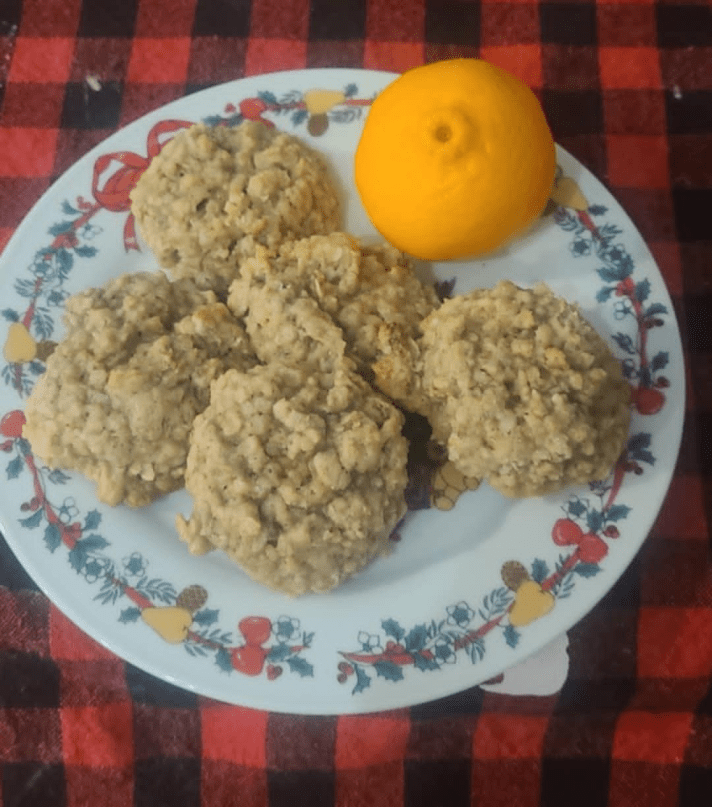
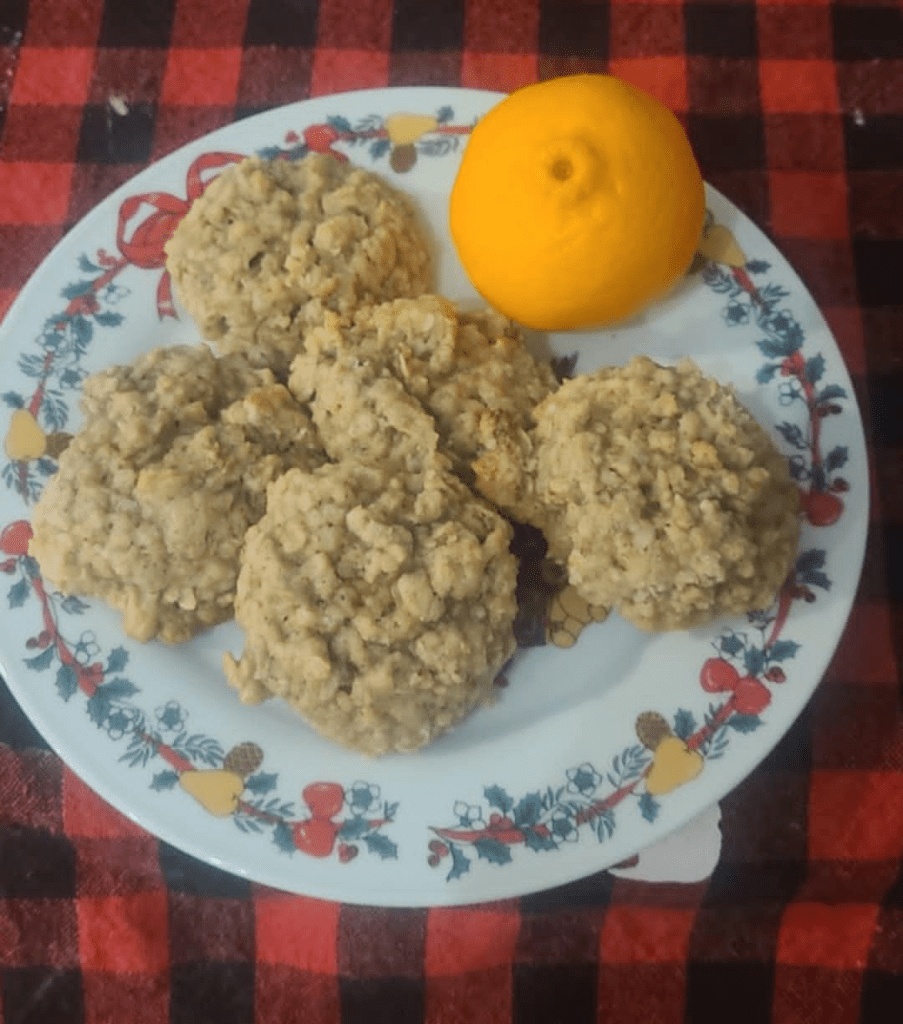
Baked Oatmeal Drop Cookies — December 23, 2025

Baked Oatmeal Drop Cookies

A cozy, old-fashioned treat for slow afternoons

There’s something grounding about oatmeal cookies. Maybe it’s the way oats soften as they bake. Or it could be how the kitchen fills with that warm cinnamon-butter scent. It feels like home before the cookies even leave the oven.

These baked oatmeal drop cookies are the kind you make on an ordinary afternoon. There is no mixer drama, and no fancy steps involved. Just a bowl, a spoon, and a little pause in the day. They have a soft center. The edges are lightly crisp. They are just right with a mug of tea or coffee beside you.

This is the recipe I reach for when I want something gentle and familiar. It is the kind of baking that feels like a deep breath.


Why I Love These Cookies

  • They’re simple and forgiving
  • Made with pantry staples
  • Soft and comforting, not overly sweet
  • Easy to adapt with what you have on hand

These aren’t bakery cookies. They’re home cookies. And that’s exactly the point.


Baked Oatmeal Drop Cookies

Ingredients

  • 1 cup rolled oats (old-fashioned)
  • ¾ cup all-purpose flour (whole wheat works beautifully too)
  • ½ teaspoon baking soda
  • ½ teaspoon cinnamon
  • ¼ teaspoon salt
  • ½ cup butter, softened
  • ½ cup brown sugar, packed
  • 1 large egg
  • 1 teaspoon vanilla
  • 2–3 tablespoons milk (only if the dough feels dry)

Optional add-ins (choose what feels right):

  • ½ cup raisins
  • ½ cup chopped walnuts or pecans
  • ½ cup chocolate chips
  • ¼ cup shredded coconut

Instructions

  1. Preheat oven to 350°F (175°C) and line a baking sheet with parchment paper.
  2. In a medium bowl, whisk together oats, flour, baking soda, cinnamon, and salt.
  3. In another bowl, cream butter and brown sugar until soft and blended.
  4. Beat in the egg and vanilla.
  5. Stir the dry ingredients into the wet just until combined. Add milk if needed for a soft, scoopable dough.
  6. Drop spoonfuls (about 1½ tablespoons) onto the prepared baking sheet.
  7. Freeze for 10 minutes (optional)
  8. Bake for 10–12 minutes, until edges are lightly golden and centers are just set.
  9. Let cool on the pan for 5 minutes before moving to a wire rack.

A Few Gentle Baking Notes

  • For softer cookies: lean closer to 10 minutes. (I like them soft so yes, 10 minutes)
  • For a heartier cookie: use whole wheat flour and an extra spoonful of oats.
  • For crisp edges: lightly flatten the dough before baking.

Cozy Variations to Try

  • Maple Oatmeal Cookies: swap half the brown sugar for maple syrup.
  • Apple Cinnamon: add ½ cup finely diced apple and a pinch more cinnamon.
  • Breakfast-style Cookies: reduce sugar to ⅓ cup and use nuts + dried fruit.

A Small Kitchen Blessing

May your oven warm the room,
may your cookies cool just enough,
and may you remember —
even ordinary days can be sweet.

If you bake these, I’d love to hear how you made them your own. Share a cup of tea, a quiet moment, and a cookie or two. 💛

A Solstice Blessing — December 18, 2025

A Solstice Blessing

May you be gentle with yourself

on this longest night.

May you not rush the darkness away,

but rest within it,

trusting that it holds wisdom,

quiet work,

and holy becoming.

May you notice the smallest return of light —

a breath that steadies,

a candle flicker,

a hope barely whispered.

May you remember

that slow does not mean stalled,

and waiting does not mean empty.

As the light returns,

second by second,

may your heart open the same way —

patient, trusting, and unafraid.

And may you carry this truth with you:

the light is faithful,

the dawn is sure,

and you are held

through every long night.

Amen.