Doll Can Create

100 Mile Life/Grandma Core

Red or Green Cabbage Salad with Apple & Maple Dijon Dressing — November 10, 2025

Red or Green Cabbage Salad with Apple & Maple Dijon Dressing

Serves: 4–6
Prep Time: 15 minutes
Chill Time: 30 minutes
Total Time: 45 minutes


🌿 Ingredients

  • ½ medium head red cabbage, finely shredded
  • 1 large apple (crisp and tart, like Honeycrisp or Cortland), julienne or grated
  • 1 medium carrot, shredded
  • 2 green onions, thinly sliced
  • ¼ cup chopped walnuts or sunflower seeds (toasted, optional)
  • ¼ cup dried cranberries or raisins
  • 2 tbsp fresh parsley, chopped (optional)

🍯 Maple Dijon Dressing

  • 3 tbsp olive oil or cold-pressed canola oil (local if available)
  • 1½ tbsp apple cider vinegar
  • 1 tbsp maple syrup
  • 1 tsp Dijon mustard
  • Salt and pepper to taste

Optional: A pinch of garlic powder or a squeeze of lemon for brightness


🥣 Instructions

  1. Prep the vegetables.
    Finely shred the red cabbage using a sharp knife or grater. Grate or julienne the apple and carrot. Place all in a large mixing bowl.
  2. Mix the dressing.
    In a small jar or bowl, combine olive oil, vinegar, maple syrup, Dijon mustard, (I used regular prepared mustard, salt, and pepper. Whisk the ingredients until the mixture is smooth and creamy.
  3. Combine.
    Pour dressing over the salad ingredients. Toss gently until the cabbage is evenly coated.
  4. Add toppings.
    Stir in green onions, nuts, dried fruit, and parsley. Adjust seasoning to taste.
  5. Chill before serving.
    Let sit for at least 30 minutes before serving to allow flavors to meld and the cabbage to soften slightly.

🌸 Serving Ideas

  • Serve alongside roast pork, chicken, or bacon-potato frittata for a complete local meal.
  • For a heartier option, add crumbled cheese (like local feta or aged cheddar) before serving. I left out the dairy since it’s not a favourite of mine.
  • Keeps well in the fridge for up to 3 days — perfect for make-ahead lunches.
Socktober Wrap-Up: Two Pairs, Many Lessons — November 6, 2025

Socktober Wrap-Up: Two Pairs, Many Lessons

Finishing a pair of hand-knit socks is deeply satisfying. This is especially true when the leaves are falling and the air turns crisp. Socktober was my month of cozy commitment. It was a time where stitches met stories. Every round on the needles felt like an act of calm in motion.

This year, I completed two full pairs of socks. Each had its own rhythm and its own story. These stories were spun through wool and quiet evenings. The first pair became my everyday comfort socks, simple ribbing and soft hues that reminded me of early autumn mornings. The second pair carried more adventure. It featured an afterthought heel construction. There was also a hand dyed yarn that had been waiting patiently in my basket since last spring.

Each pair taught me something — not just about technique, but about time. There’s a rhythm to knitting socks, a steady pulse that mirrors the turning of the season. Socktober wasn’t about speed; it was about settling into slowness, about honouring the process as much as the product.


🍂 On the Needles for November

Now that Socktober has wrapped up, November’s projects are already whispering from my basket. A new pair of woolly socks is underway (because let’s be honest, we never stop at two). There’s also comfort knitting happening. There is a mitten project and a hat. Maybe even a small gift or two as Advent approaches.

This month feels quieter, more reflective — the knitting that pairs well with candlelight and evening tea.


🧶 Reflecting on the Season

Socktober reminded me that small goals can lead to big satisfaction. Two pairs may not sound like much. Still, in a world that moves too fast, finishing something handmade is its own quiet rebellion.


🌧️ From Socktober to November’s Knits

The days are getting shorter as November settles in. I’m finding my knitting shifting too. It moves from the lively energy of Socktober to something softer, slower, and more contemplative. There’s a comfort in the familiar click of needles on a grey afternoon. There is comfort in the quiet promise of projects that will carry me through the colder days ahead. In my latest video, I share what’s now on my needles. It provides a peek into November’s creative rhythm. Each stitch feels like a small act of warmth against the coming winter.


✨ A Season of Making and Meaning

Knitting through October reminded me that creativity doesn’t have to be grand to be meaningful. Two pairs of socks, a basket of yarn, and the rhythm of the needles were enough. They filled my days with purpose and peace. Every stitch felt like a small act of gratitude. I felt thankful for the wool. I was grateful for the warmth. I appreciated the hands that made it possible.

As November unfolds, I’m leaning into that same spirit. I enjoy slower mornings and mindful making. I am involved in projects that bring both comfort and joy. The darker days are not without light — they simply invite us to create our own.

So whether you finished a single sock or several pairs, take a moment to celebrate what your hands have made. Each stitch tells a story, and together, they weave the quiet beauty of a handmade life.


💬 Join the Conversation

What did Socktober look like for you this year? Did you try new patterns, finish old projects, or discover a favorite yarn? Share your Socktober stories in the comments below — I’d love to hear what’s been on your needles.

Patterns Used

Patterns used: https://www.ravelry.com/patterns/library/torevco-mitts https://www.ravelry.com/patterns/library/the-4-0-1

https://www.ravelry.com/patterns/library/daisy-socks-5 and the hat I’m finishing up https://www.ravelry.com/patterns/library/onu-hat

(I have no affiliation from these creators – just love the work)


With warmth and wool,
💗 Doll


Finding Warmth in November —

Finding Warmth in November

November has a way of feeling slightly in-between. It is not quite the golden glow of autumn. It is also not yet the sparkle of Advent. The light fades earlier, the mornings arrive quieter, and the air carries that first hint of stillness.

These days invite us to pause. We should notice what we’re reaching for. It is a warm cup of tea. It is a slower pace or even a moment to rest our souls before the rush of the holidays. Sometimes what feels “off” is really an invitation to realign — to remember what brings us peace.

I’ve found myself reaching for my cozy blanket again. The hand-knit socks are back on my feet, and the sandals are tucked away. My light jacket has given way to bulky sweaters and fun scarves. The ball cap has been replaced with a wool tam. My gloves have been found, and my knitting needles are once again busy with mittens.

These small, seasonal rituals remind me of the rhythm God placed in creation. This is a rhythm that slows as the days shorten. It draws us inward toward reflection and quiet gratitude.


🕯 A Moment to Reflect

What’s your November comfort?
A steaming mug of cocoa? A favorite hymn on a rainy afternoon?
Whatever it is, let it be your reminder that slowing down is sacred, too.


🙏 Prayer

Loving God,
As the world around me quiets,
teach me to rest in You.
Help me find warmth in the small things,
peace in the stillness,
and gratitude in the rhythm of the changing season.
Amen.


💌 From My Hearth to Yours

May this November be gentle on your heart and rich with moments of calm.
Wrap yourself in warmth — and remember, even in these dimmer days,
light still lingers.

With love and wool,
~ Grannie Doll 🧶

f this reflection brought you peace, share it with a friend who might need a little warmth this month.
And tell me in the comments — what’s your November comfort?

Slow Autumn Mornings | Knitting with Local Wool & Living the 100 Mile Life — November 3, 2025

Slow Autumn Mornings | Knitting with Local Wool & Living the 100 Mile Life


🌅 Gentle Beginnings

There’s something sacred about slow autumn mornings.
When the first light spills softly across handmade blankets, the house feels hushed—almost reverent. The air carries a crispness that whispers of change, of rest, of gratitude.

This is where my day begins. It starts with stillness and a slow breath. I find quiet joy in creating something by hand.


🍵 Morning Ritual

Before the day gathers speed, I brew a cup of coffee. Steam rises in the golden light. This simple act feels like prayer.

Today, I choose wool from a local farm, just thirty minutes away. It’s part of my 100 Mile Life journey. I practice sourcing as much as I can from within my own community. This includes food, fiber, and fellowship.

This wool carries the scent of pasture. It tells the story of hands who cared for the flock. It holds the promise of warmth yet to come.

🧶 Knitting

By the window, with the world outside draped in amber leaves, I start to knit.
The rhythm of the needles is its own music—a meditation on patience and purpose.

I let the process unfold slowly, without rush.
Each stitch holds the memory of where it came from: the sheep, the land, the hands that tended both.


🍎 Breakfast Interlude

A slow life calls for simple nourishment.
Warm porridge with cinnamon and apple slices—the taste of the season itself.

I’ve learned that preparing food, like knitting, roots us in the moment. It’s part of the rhythm of sustainable living. It honors the ingredients and the process. It also honors the care it takes to make something from scratch.


🌿 Reflection

“This,” I whisper, “is what sustainable living looks like.”
It isn’t grand or glamorous—it’s quiet, mindful, intentional. It’s making time for what matters: the people, the place, the practice of living close to the land.

The wool I knit today connects me to where I am. It reminds me that sustainability starts at home—with simple, beautiful acts of care.


✨ Closing

The coffee is gone, the light shifts, and my knitting rests softly in my lap.
Another morning well spent, another reminder that peace often hides in the ordinary.

What are you creating this autumn?

Gentle and Faith-filled:
“Thank you for sharing this quiet autumn morning with me. May your days be stitched with peace. May your hands find joy in creating. May your heart rest in the simple goodness of God’s world. Until next time — love, light, and woolly blessings. 💛
— Grannie Doll”

🥘 A Comforting Classic: Liver Dinner with Sweet Potatoes & Cabbage —

🥘 A Comforting Classic: Liver Dinner with Sweet Potatoes & Cabbage

By DollCanCreate – Living Local, Cooking Slow


Excerpt

Soaking the liver in milk, caramelizing onions low and slow, and mashing sweet potatoes with a touch of maple — this simple meal brings together old-fashioned comfort and local living in the GrannieCore kitchen.


🌿 Ingredients

For the Liver and Onions

  • 1 lb beef or calf liver, sliced ½ inch thick
  • 1 cup milk (for soaking)
  • 2 tbsp flour
  • Salt and pepper
  • 2 tbsp butter + 1 tbsp olive oil
  • 1 large onion, thinly sliced
  • 1 tsp brown sugar
  • 1 tbsp balsamic or apple-cider vinegar
  • ½ cup beef broth (optional for deglazing)

Sides

  • 2 medium sweet potatoes
  • ½ head cabbage
  • 2 green onions
  • Butter, milk, salt, pepper, and a touch of nutmeg

🕯 Directions

1️⃣ Soak with Intention

Place the liver slices in a bowl and pour milk to cover. Let it rest 30–60 minutes. This simple step softens the flavor — and gives the cook a few moments of quiet reflection.

2️⃣ Caramelize the Onions

Melt 1 tbsp butter with olive oil. Add onions and brown sugar. Cook gently until golden and sweet, about 10 minutes. Add vinegar to brighten. Set aside.

3️⃣ Sear the Liver

Pat dry, dredge in flour, salt, and pepper. Add remaining butter and sear 2–3 minutes per side. Deglaze with broth if you like a little gravy. Return onions; simmer 2 minutes.

4️⃣ Make the Sweet Potatoes

Boil or steam until tender. Mash with butter, milk, salt, and nutmeg. Add a drizzle of maple syrup for cozy farmhouse sweetness.

5️⃣ Sauté the Cabbage

Melt butter, add shredded cabbage and green onions. Cook until lightly browned; season with salt, pepper, and a splash of vinegar.


🌾 Serving Suggestion

Plate the liver and onions at the center, with mashed sweet potatoes and buttery cabbage on the side. Sprinkle parsley or an edible flower for a GrannieCore touch.

This meal tastes like comfort, memory, and gratitude — a reminder that living local is more than distance; it’s rhythm. The rhythm of soaking, stirring, tasting, and giving thanks for simple abundance.


✨ A Final Reflection

As I cook, I remember that slow, humble meals like this are a form of prayer. They connect us to those who cooked not for perfection, but for love.

“Whether you eat or drink, or whatever you do, do it all for the glory of God.” — 1 Corinthians 10:31

Tonight, that glory smells like onions caramelizing and butter sizzling in a cast-iron pan.


🧺 Shop Local Notes: Cooking Within 100 Miles

Part of the joy of this meal is knowing where everything comes from. When we choose local ingredients, we’re not just cooking — we’re building community, supporting farmers, and tasting our own region’s story.

🐄 Liver & Dairy

Beef liver from a nearby grass-fed farm; milk from a small local dairy. That same milk softens the liver and adds warmth to the mashed sweet potatoes.

🧅 Onions & Cabbage

All from the farmers’ market. Sweet onions and firm cabbages carry the flavor of the season and the hands that grew them.

🍠 Sweet Potatoes

Locally grown and stored through winter — sweet, dense, and perfect for mashing.

🍁 Butter, Maple Syrup & Vinegar

Look for local creameries, small-batch syrup producers, and apple cider vinegar from nearby orchards. They’re quiet heroes of the pantry.

🌿 Why It Matters

Each ingredient connects us to a face, a place, and a purpose. That’s the beauty of the 100 Mile Life — dinner becomes a celebration of belonging.


🕊 A Blessing for the Table

“The eyes of all look to You, and You give them their food in due season.” — Psalm 145:15

As you serve your meal tonight, give thanks for the hands that grew, harvested, and prepared it — and for the grace that makes simple food holy.

#100MileLife #GrannieCoreCooking #LocalLiving #FaithAndFlavor

Building on the Foundation of Christ —

Building on the Foundation of Christ

1 Corinthians 3:5–13

I

n Paul’s letter to the Corinthians, we find a reminder that feels especially timely for us today. The people of Corinth were arguing about which leader they followed—some claimed Paul, others Apollos. Their attention was divided, and Paul gently brought them back to center:

“What, after all, is Apollos? And what is Paul? Only servants, through whom you came to believe—as the Lord has assigned to each his task. I planted the seed, Apollos watered it, but God has been making it grow.”

Paul isn’t diminishing the value of human effort. He’s showing us that every act of service is sacred when rooted in God’s purpose. We each have a role—some plant, some water—but it is God who makes things grow.


We Are Co-Workers in God’s Field

How freeing it is to remember that we don’t carry the full weight of outcomes!
We are workers together with God, not competitors for His attention. We are teaching a Sunday school class, knitting for charity, or visiting a neighbour. Praying quietly at home, we are each tending a small part of God’s garden. Each action contributes to His creation.

Our job is to show up faithfully.
God’s job is to bring the growth.


Christ Is the Only Foundation

Paul goes on to say:

“No one can lay any foundation other than the one already laid, which is Jesus Christ.”

It’s tempting to build our faith on people, traditions, or good works—but those things shift and crumble. Christ alone is the steady ground beneath our feet.
If we build on Him, what we create will endure. Our words, our acts of love, and our ministries will stand. They will stay strong even when life’s fires test them.


What Are We Building With?

Paul writes that the quality of each person’s work will be revealed.
Some build with gold and precious stones—acts of love, patience, kindness, and faithfulness. Others build with straw—pride, comparison, or self-interest.

So we ask ourselves:
What materials am I using in my life of faith?
Are my choices rooted in the eternal or the temporary?

Every day is another chance to build with care, to strengthen what lasts, and to remember who holds the blueprint.


A Prayer to Close

Gracious and Loving God,
Thank You for reminding us that You are our foundation.
Teach us to build with care, to serve with humility,
and to love with steadfast hearts.
May our lives reflect Your grace
and our works stand firm in Christ.
Amen.


Final Reflection

As you go through your week, look around your “field.”
Who might need a seed of kindness?
Where can you pour a little water of encouragement?
Trust that God will take it from there—and make something beautiful grow. 🌿


If this reflection spoke to you, share it with a friend who needs encouragement. If you’d like printable Bible study pages for your own quiet time, you can join my Sunday Journal Circle. It’s a gentle space for faith. It’s a place for reflection and community.

Whole in Christ: Reconciling the Many Parts of Me — October 29, 2025

Whole in Christ: Reconciling the Many Parts of Me

Introduction:
We live in a world that asks us to compartmentalize. We are one person at work, another at home, and someone entirely different online. It’s easy to lose sight of who we are at the core. I am a blogger, pastor, wife, and Grannie. I’ve wrestled with the question of how to live as one whole person in Christ. This reflection is my journey toward discovering that wholeness. It’s a gentle reminder that we are not meant to divide ourselves. Every part of our lives should flow from the same sacred center.


There are days I feel pulled in many directions. I hear the preacher’s call. I feel Grannie’s tenderness and the wife’s love. I have the creator’s longing to share. Sometimes I pause and ask myself, How do these pieces fit together? How do I reconcile all that I am into one clear identity in Christ?

For years I tried to find balance — keeping ministry separate from home life, content creation apart from personal devotion. But what I’ve come to realize is that the wholeness I seek isn’t found in separating things neatly. It’s found in centering them on Christ.

The titles do not define me — blogger, pastor, wife, Grannie. The One who holds them together defines me. Christ is the center of my being, and everything else simply radiates from that holy heart. When I keep Him at the center, everything else finds its place.

When I write, I preach.
When I knit, I pray.
When I tend my home, I make space for grace.
When I love my family, I mirror the love of God.

These are not separate callings, but one life — woven together by mercy and meaning. There is no division between sacred and ordinary. God moves through every aspect, including the blog post and the sermon. God is here in the laughter at the table and even in the quiet hum of yarn between my fingers. Christ meets me there, whispering, “You are mine. You are whole.”

Now, my task is not to choose which role to play today. Instead, it is to live as one who abides in God’s presence. I let that truth shape my words, my work, and my ways.

A Prayer for Wholeness

Lord, center me in Your love.
Let the scattered pieces of who I am rest in You.
Make my life one seamless story of grace —
written in my home, my pulpit, my marriage, and my art.
Let all I am and all I do be one song —
a song that sings only of You.
Amen.

If you ever feel fragmented, or you are unsure of who you are in this season of life, remember this. Christ makes us whole. Every piece of your story has a place in His plan — even the quiet, ordinary ones.

Stay centered, stay kind, and stay close to the One who calls you whole.

With grace and yarn,
Grannie Doll aka Pastor Barb


Learning to Listen — Not Every Voice Is the Shepherd’s — October 27, 2025

Learning to Listen — Not Every Voice Is the Shepherd’s

Scripture:
1 Samuel 3:1–21
John 10:1–18

Theme Verse: “My sheep hear my voice. I know them, and they follow me.” — John 10:27


It’s not always easy to know which voice to listen to.
We live in a world filled with noise — notifications, opinions, breaking news, advertisements, and sometimes, our own anxious thoughts.
Each one clamors for our attention. Each one claims importance.

But the truth is: not every voice is the Shepherd’s.

Learning to listen — truly listen — is one of the most sacred tasks of faith. It takes practice, patience, and a heart willing to be quiet long enough to discern who is speaking.


📖 Part 1: Samuel’s Night of Listening

In 1 Samuel 3, we meet a boy who hasn’t yet learned what God’s voice sounds like.

Samuel sleeps near the Ark of God, under Eli’s care. The scripture tells us,

“The word of the Lord was rare in those days.”

In the stillness of the night, Samuel hears his name. He assumes it’s Eli calling.
Three times he runs to the old priest, saying,

“Here I am, for you called me.”

And three times Eli says, “I did not call.”

It’s only on the third time that Eli perceives something deeper is happening.
He tells Samuel,

“Go, lie down; and if He calls you, you shall say, ‘Speak, Lord, for your servant is listening.’”

Samuel obeys — and that obedience, that willingness to listen, changes everything.
The next time the voice calls, Samuel doesn’t run to Eli. He stays still and answers God directly.

That is the beginning of Samuel’s prophetic ministry — not with a miracle, not with a sermon, but with listening.


✝️ Part 2: The Shepherd’s Voice

Now move with me to John 10.
Jesus says,

“The sheep hear his voice. He calls his own sheep by name and leads them out.”

The Good Shepherd doesn’t shout. He doesn’t compete with the noise.
His voice is known through relationship — through time spent together, through trust.

The sheep learn the Shepherd’s voice by walking with Him daily — by being fed, led, and cared for.

Jesus also warns,

“The sheep will not follow a stranger. They will run from him because they do not know the voice of strangers.”

In other words: there are other voices out there.
Voices that deceive, distract, or discourage. Voices that promise ease but lead to emptiness.
Voices that sound comforting, but are not life-giving.

And so the question becomes —
How do we, as followers of Christ, learn to tell the difference?


🌿 Part 3: Learning to Listen Today

Discerning the Shepherd’s voice isn’t about perfect hearing — it’s about faithful listening.

Let’s look at what that means for us:

1. Be Still

Samuel was lying down when God spoke — still, quiet, open.
We can’t always hear God in the rush and noise of life.
Listening begins with stillness.
Whether it’s in morning prayer, knitting in peace, or walking outside. It’s in silence that our spiritual ears tune in.

2. Be Willing to Respond

Samuel said, “Speak, Lord, for your servant is listening.”
He didn’t know what God would say, but he was ready.
The Shepherd’s voice often calls us out of comfort — toward forgiveness, generosity, or courage.
Listening means being willing to act when we hear.

3. Be Rooted in Scripture and Spirit

Jesus’ voice always aligns with truth, compassion, and love.
When we hear a voice that leads to fear, greed, or resentment — it’s not the Shepherd.
When we hear a voice that calls us to mercy, humility, and service — that’s where Christ is speaking.

4. Be in Community

Samuel had Eli.
We need each other — wise voices who can say, “That sounds like God’s voice” or “Wait — that doesn’t.”
Community helps us discern together what God is saying to the church and the world.


💗 Part 4: Recognizing the Shepherd’s Voice in Our Lives

Think about how Jesus calls each of us by name — not just once, but again and again.
He calls in the dark nights of confusion.
He calls when the world feels loud and uncertain.
He calls us back when we’ve wandered far away.

His voice brings peace, not panic.
Hope, not fear.
Conviction, not condemnation.

And just like Samuel, we can grow in that listening — slowly, quietly, faithfully.
Each time we respond, we learn the sound of grace a little more clearly.


🕯 Conclusion

Learning to listen is the lifelong work of faith.
Not every voice deserves your energy or trust — but the Shepherd’s voice always leads to life.

So, this week, take a few moments of holy quiet.
Let your prayer be simple:

“Speak, Lord, for your servant is listening.”

Listen for the voice that calls you by name —
and when you hear it, follow.

For that is the voice of the Good Shepherd.

Amen.

Sweet Pepper & Brown Sugar Baked Chicken on Red Cabbage —

Sweet Pepper & Brown Sugar Baked Chicken on Red Cabbage

A 100 Mile Life Recipe

There’s something so grounding about opening the fridge and letting what’s already there inspire supper. In a 100 Mile Life, that’s part of the joy. You create something local, simple, and deeply satisfying from what’s on hand. This week’s recipe began with a package of local chicken thighs. It also included a bright head of red cabbage. A handful of pantry staples were also used. The result? A cozy baked dish that caramelizes as it cooks, bringing together sweet, savory, and homegrown flavor in every bite.

As the weather cools, I find myself turning to the oven more often. The warmth fills the kitchen. The smell of roasted vegetables is delightful. There is a quiet comfort in knowing dinner is made with care. It’s all part of living slowly, locally, and thankfully.


🐔 Sweet Pepper & Brown Sugar Baked Chicken on Red Cabbage

Ingredients

  • 6 bone-in chicken thighs
  • 2 tbsp brown sugar
  • ½ cup crushed crackers (Ritz or butter crackers work beautifully) I used saltines
  • 2 tbsp dried onion flakes
  • 1 tsp salt (local sea salt if available)
  • ½ tsp black pepper
  • 1 cup sliced sweet peppers (mixed colours brighten the dish)
  • 2 green onions, chopped
  • 3 cups shredded red cabbage
  • 1 tbsp oil or butter (optional, for the cabbage layer)

Instructions

  1. Preheat oven to 400°F (200°C).
  2. Make the coating: combine crushed crackers, brown sugar, dried onion, salt, and pepper in a small bowl.
  3. Coat the chicken: pat the thighs dry and roll them in the dry mixture until well covered.
  4. Prepare the base: spread shredded red cabbage in a lightly oiled baking dish. Scatter sweet peppers and green onions over top.
  5. Arrange the chicken on the bed of cabbage. Sprinkle any leftover coating over everything.
  6. Bake uncovered for 40–45 minutes, until the chicken is golden and reaches an internal temperature of 165°F (74°C).
  7. Rest for 5 minutes before serving. The cabbage underneath will soften and caramelize, catching the drippings from the chicken for an incredible, naturally sweet flavor.

🌾 Serving Suggestions

🥣 Local Grain Pilaf

Cook local barley, wheat berries, or brown rice in broth and finish with herbs or a drizzle of local honey.

🥕 Roasted Root Medley

Dice carrots, parsnips, and potatoes. Toss with oil and roast until crisp. Season with rosemary for a cozy, hearty side.

🍏 Apple Slaw

Mix grated local apples with cider vinegar, a bit of yogurt or mayo, and a pinch of salt. Bright, crunchy, and refreshing next to the roasted cabbage. (this is a new favourite of mine)

🌿 Buttered Peas or Green Beans

Add a squeeze of lemon and a crack of pepper to keep the plate lively.

🍞 Fresh Bread or Tea Biscuits

This is a perfect way to soak up the sweet and savory pan juices. It is especially delicious if baked with local flour and butter.


💭 100 Mile Life Reflection

This meal reminds me that simplicity is its own feast. When we choose ingredients grown or raised close to home, we’re feeding our bodies. We are also nourishing community, stewardship, and gratitude. A cabbage from a nearby farm, eggs or chicken from someone we know, even flour from a regional mill. Each ingredient tells a story of connection.

Cooking becomes an act of prayer, of care, of belonging.


🌱 Now it’s your turn.

What’s growing or waiting in your kitchen this week?
Try this 100 Mile Life recipe. Tag your post with #100MileLife. Share where your ingredients come from. Show how you’re living local in your own way.

Let’s keep celebrating the beauty of eating close to home, one meal at a time.

With gratitude and grace,
💗 Grannie Doll
Living slow, cooking local, crafting life one mile at a time.

Knitting Local, Living Local: Wool Within 100 Miles — October 25, 2025

Knitting Local, Living Local: Wool Within 100 Miles

*scroll down for the video

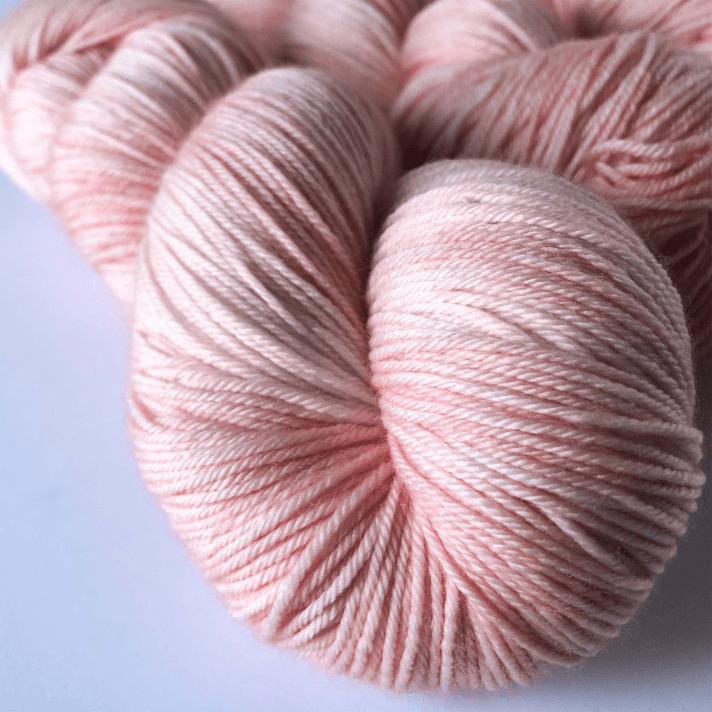
There’s something quietly revolutionary about knitting with yarn that hasn’t traveled farther than you have. So much arrives by truck, plane, or cargo ship. In contrast, the idea of local wool feels like an act of stewardship. It is grown, shorn, spun, and dyed within a hundred miles. It connects our hands to our land.

The Story Behind Local Wool

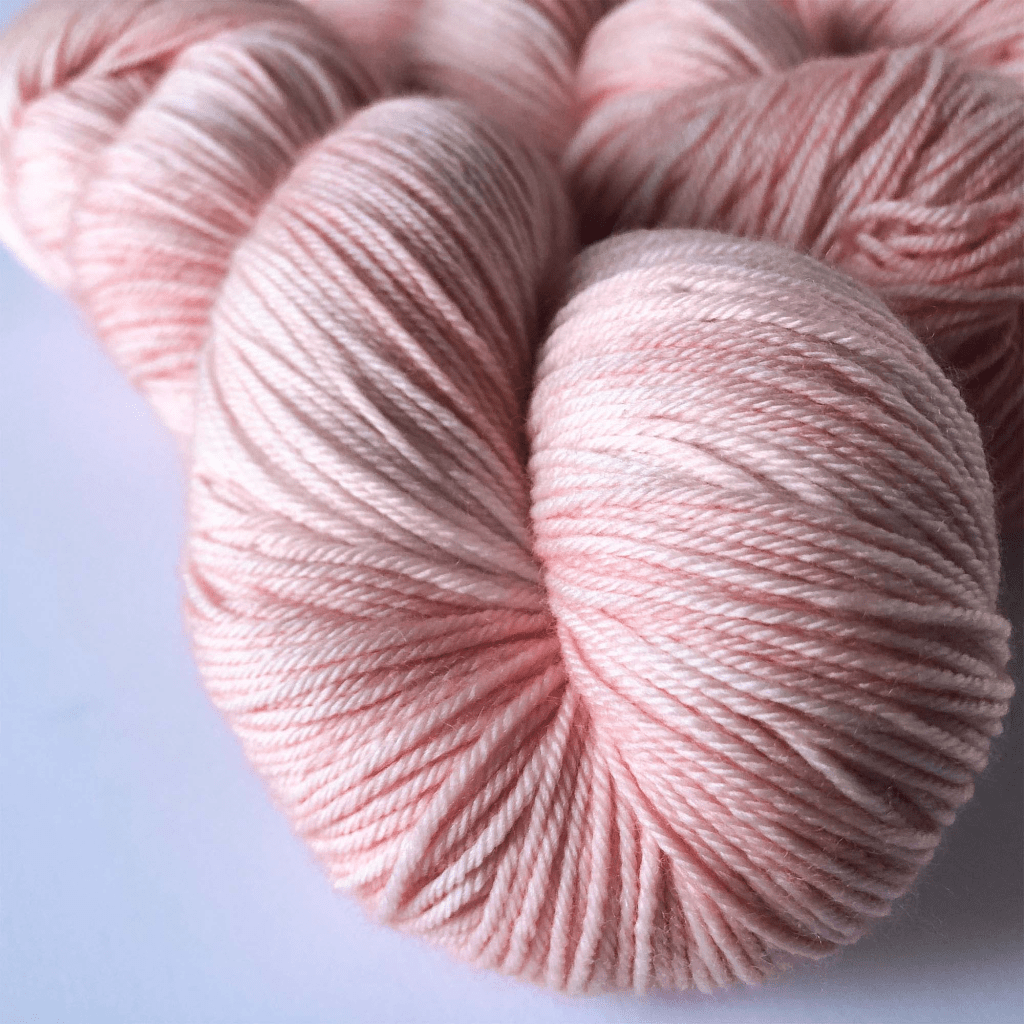
When I began exploring the 100 Mile Life, I thought mostly about food. Local apples, farm-fresh eggs, and bread from the mill down the road were on my mind. But soon, I found myself tracing another thread—wool. Where did the yarn in my basket come from? Whose sheep had offered their fleece? Was there a mill close enough to spin it into something beautiful?

The answers were closer than I imagined. A small flock of Shetlands grazing in the next township. A local mill humming beside the river. A dyer who uses plants gathered from her own garden. Each step, within that hundred-mile circle, felt like re-discovering the rhythms of home.

Spinning for Socks: From Fleece to Footwear

This season, I’ve been spinning with socks in mind—turning local fleece into sturdy, beautiful yarn that can handle daily wear. There’s a deep satisfaction in transforming raw fiber into something so practical and personal. Each draft of the spindle feels like a prayer, each twist a meditation on patience and purpose.

Sock yarn needs just the right balance of softness and strength. A little Shetland or BFL for durability, a touch of Merino or alpaca for comfort. When you’ve spun and plied the wool yourself, you know its story. You know what farm it came from and which sheep. You also understand how the fiber behaved in your hands. It gives new meaning to “putting your best foot forward.”

Knitting Socks that Stay Close to Home

Knitting socks from local wool is a small act of grace. Each stitch carries warmth from the land beneath your feet, quite literally grounding you in your community. Handspun yarn adds a touch of unpredictability. Those subtle color shifts and texture changes remind me that perfection isn’t the goal. Connection is.

There’s joy in knowing that every step I take in these socks is supported by a circle of care. The shepherd, spinner, knitter, and home soil are all woven together. It’s slow fashion at its most intimate, and every pair becomes a quiet testimony to place, patience, and provision.

Why It Matters

When we knit with local wool, we’re not just making socks or shawls—we’re investing in our neighbors. Every skein carries the story of a shepherd, a spinner, a maker who lives nearby. It reduces transport costs, supports small farms, and encourages sustainable land use.

And there’s another layer of warmth that comes from knitting local. The texture of local fleece often reflects the land itself—soft and sturdy, windswept and rooted. When I hold a skein from a nearby farm, I can almost hear the echo of the fields. I can also hear the hum of the spinning wheel.

Living the 100 Mile Way

Living local isn’t about restriction—it’s about relationship. It means knowing the hands that feed and clothe us. It means buying less, but cherishing more. It’s walking into a farm store and greeting people by name. It’s mending a sweater instead of replacing it.

This autumn, as the nights grow cooler, I’m wrapping myself in that slow, local warmth. My projects for October are built from within that 100 mile circle—simple knits with a story in every stitch.

How to Start Your Own Local Wool Journey

  1. Map your fiber circle. Search for farms, mills, and fiber festivals within 100 miles.
  2. Visit and listen. Talk to shepherds and small producers—they love sharing their process.
  3. Start small. Buy one skein from a local farm and use it in your next project.
  4. Share the story. When someone compliments your hat or shawl, tell them where it came from.

Every local project begins with one conscious choice.

Reflection & Faith

“She seeks wool and flax, and works with willing hands.” — Proverbs 31:13

When we live and create within our local circle, we echo a sacred rhythm of gratitude and provision. The earth gives; we receive; and through our craft, we give back beauty.

Now it’s your turn:

What’s growing or grazing within your 100 mile circle? Could your next skein—or your next pair of cozy socks—come from a nearby farm or mill? I’d love to hear about your discoveries. You can share your local wool stories in the comments. Tag me with #100MileWool on Instagram.

You get purchase my new ebook here!


🪡 With gratitude and woolly warmth,
Grannie Doll 🩷
Living the 100 Mile Life, one stitch at a time.